
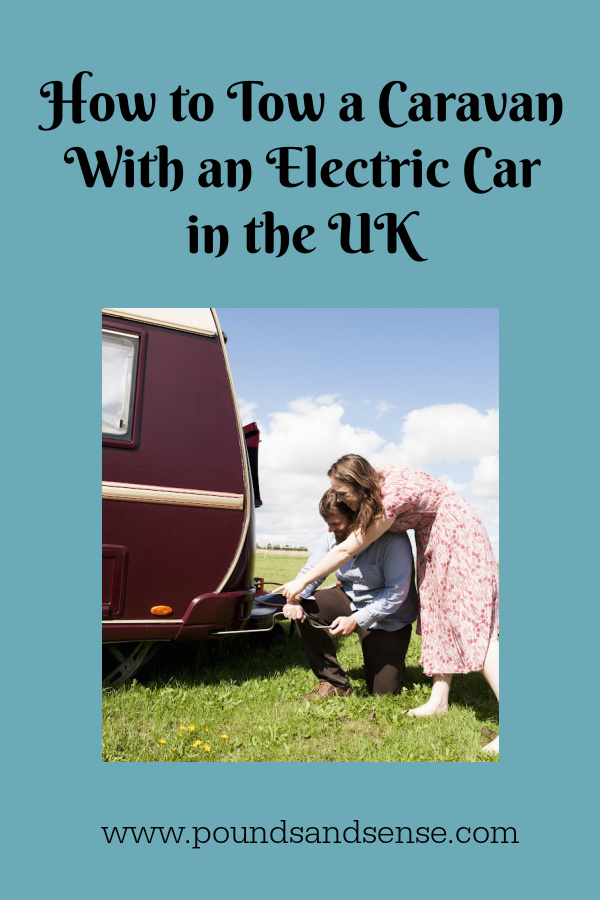
How to Tow a Caravan with an Electric Car in the UK
Today I’m looking at a subject relevant to growing numbers of UK motorists: what are the practicalities of towing a caravan with an EV?
In this post I have teamed up with my friends at specialist caravan insurers Compass Insurance and European EV charging infrastructure company Fastned. I am very grateful to them for their expert tips and information.
With over 1.5 million EVs now on UK roads – and staycations more popular than ever – more people are pairing their electric cars with touring caravans. But while the idea is appealing, towing with an EV requires careful planning, especially when it comes to battery range and charging stops.
Why Towing With an EV Is Different
Although many modern electric cars are perfectly capable of towing – with some legally able to handle loads up to 2,500 kg – pulling a caravan takes a toll on battery life. You could see your EV’s range drop by up to 50% when towing a typical 4-berth caravan.
This means you’ll likely need to stop more often to charge. But here’s the catch: most public EV chargers aren’t designed for hitched-up vehicles. Accessing a charger with a caravan in tow can be tricky at best and downright impossible at worst.
Kevin Minnear, Head of Underwriting at Compass Insurance, explains:
“Electric cars have come a long way, but towing a caravan with one is still a logistical challenge. With range reduced and many public charging stations not designed to accommodate a hitched caravan, it’s essential to plan ahead.”
The Charging Challenge
As of summer 2025, there are now over 80,000 public EV charging points across the UK, and around 20% of them are classed as rapid or ultra-rapid. But the problem isn’t quantity; it’s access. Many charging bays aren’t suitable for caravans, especially in tourist hotspots during peak season.
Tom Hurst, UK Country Director at EV charging company Fastned, says this is starting to change:
“We’ve prioritised ultra-rapid hubs with drive-thru layouts that make it easier for caravanners to pull in, charge, and continue their journey without the hassle of unhitching.”
Still, the infrastructure needs to catch up with demand — particularly in rural areas where many caravan sites are located.
Tips for Towing a Caravan with an EV
Whether you’re a seasoned tourer or trying it for the first time, these practical tips from Compass Insurance can help make your EV-powered getaway go more smoothly:
Table of Contents
✅ Check Your EV’s Towing Capacity
Not all electric vehicles are built to tow. Check the VIN plate, manual, or manufacturer website to confirm. As a rule of thumb, newbies should follow the 85% rule – your caravan should weigh no more than 85% of the EV’s kerbweight.
✅ Plan Your Route with Charging in Mind
Use EV-specific apps like Zap-Map or A Better Routeplanner to find caravan-accessible chargers. Avoid peak hours (usually 11 am to 1 pm), and check for reviews and layout photos before setting off.
✅ Prepare for Extra Stops
Towing significantly reduces range. On a 250-mile journey, you may need to stop twice. Charging from 10% to 80% can take 30–60 minutes, so build this into your journey.
✅ Unhitching Might Be Unavoidable
Most chargers won’t let you pull in with a caravan attached. Travel with a second adult when possible so someone can stay with the caravan while you charge.
✅ Know What’s Available at Your Campsite
Call ahead to check if EV charging is available, and at what cost. If possible, top up overnight with a dedicated charger. Never plug into your caravan’s standard hookup unless you’re absolutely certain it’s allowed and safe.
✅ Drive Efficiently
Stick to 50 to 60 mph, use cruise control, and take advantage of regenerative braking to extend your range.
✅ Don’t Overpack
Watch your payload! Most caravans allow 150 to 170kg for luggage. Overloading can affect safety, handling, and battery efficiency – especially if you’re carrying heavy extras like e-bikes or awnings.
Caravan Parks: Time to Think Ahead
With more EV drivers hitting the road, holiday parks and campsites also need to adapt. Standard domestic sockets aren’t a safe substitute for dedicated EV chargers. They can overheat, pose tripping hazards, and even create security risks if left through windows or doors.
Compass Insurance urges park operators to consider investing in proper EV charging infrastructure, both to improve safety and to meet growing guest expectations.
As Kevin Minnear points out:
“By exploring safe, compliant charging solutions, park operators can help ensure both convenience and peace of mind for their visitors.”
Closing Thoughts
Towing a caravan with an electric vehicle is absolutely do-able – and increasingly common – but it does take more thought than simply packing your bags and hitting the road. With a bit of forward planning and the right tools and equipment, your EV-powered holiday can be just as relaxing as any other… without the emissions.
Whether you’re heading to Cornwall or the Cairngorms, planning your journey, charging stops and destination ahead of time will make all the difference.
For more travel and EV-towing advice, visit Compass Insurance’s website or follow them on social media.
If you have any comments or questions about this post, as always, please do leave them below.