
travel

How to Save Money on Travel Insurance

How to Save Money on Travel Insurance

As we reach the end of a long, cold winter, many people’s thoughts are turning to holidays. And that makes the topic of travel insurance a lot more relevant – in these uncertain times especially.

Travel insurance is one of those expenses that can feel like a grudge purchase – until you need it. For UK travellers, especially older holidaymakers, having adequate cover is essential. The good news is that there are plenty of ways to keep costs down without cutting corners on protection.

Here are some practical strategies to help you save money on travel insurance while still getting the cover you need.

Money Saving Strategies

1. Shop Around and Compare Policies

Prices can vary significantly between insurers for broadly similar cover. Using comparison sites such as Compare the Market, MoneySuperMarket, and GoCompare can quickly highlight the best-value options.

However, don’t rely solely on comparison sites. It’s also worth checking insurers directly, including Aviva and Staysure, as they sometimes offer exclusive deals.

2. Consider an Annual Multi-Trip Policy

If you take more than one trip a year, an annual (multi-trip) policy can be far cheaper than buying single-trip cover each time.

As a rough guide:

  • Two or three holidays a year can make an annual policy worthwhile
  • Frequent travellers can save substantially over time

Just ensure the policy covers the length of your longest trip, as many impose limits (e.g. 31 or 45 days per trip).

3. Only Pay for the Cover You Need

Policies often include extras that you may not require. Common add-ons include:

  • Gadget cover
  • Winter sports cover
  • Cruise cover

If these aren’t relevant, opt out. For example, if you’re taking a simple European city break, you likely don’t need winter sports or high-value gadget protection.

4. Check Existing Cover First

You may already have some level of travel insurance included with:

  • Packaged bank accounts
  • Credit cards
  • Membership organisations

For instance, some premium current accounts from Nationwide Building Society or HSBC include travel insurance as a perk.

That said, always read the small print carefully – cover levels, age limits, and exclusions may apply.

5. Increase the Excess (Carefully)

Choosing a higher excess (the amount you pay towards a claim) can reduce your premium.

For example:

  • £50 excess → higher premium
  • £150 excess → lower premium

This can be a sensible way to save money if you’re unlikely to make small claims. However, ensure the excess remains affordable if you do need to claim.

6. Be Honest About Medical Conditions

Failing to declare pre-existing medical conditions can invalidate your policy entirely.

Specialist insurers like AllClear Travel Insurance and Saga cater specifically to older travellers and those with medical histories.

While premiums may be higher, proper disclosure ensures you are fully covered – potentially saving thousands if something goes wrong.

7. Use the GHIC Card

UK residents can apply for a Global Health Insurance Card (GHIC), which provides access to state healthcare in EU countries and some others at reduced cost or sometimes free.

This won’t replace travel insurance, but it can reduce the level of medical cover you need – and may lower your premium slightly.

8. Travel Less Often? Consider Single-Trip Cover

If you only travel once a year, a single-trip policy is usually cheaper than an annual one.

You can also tailor it closely to your itinerary, ensuring you don’t pay for unnecessary cover.

9. Book Early – but Not Too Early

Buying insurance as soon as you book your trip is usually best. This ensures you’re covered for cancellation from day one.

However, prices can fluctuate, so it’s worth checking a few providers before committing rather than simply accepting the first quote offered.

10. Look for Discounts and Cashback

Before purchasing, check for:

  • Cashback offers via sites like TopCashback
  • Voucher codes
  • Discounts for couples or families

Even modest savings of £10–£20 can add up over time.

Saving as an Older Traveller

Travel insurance tends to become more expensive as you get older, but there are still ways to keep costs under control without sacrificing essential cover.

One of the main issues older travellers face is higher premiums due to increased medical risk. Insurers often apply age bands, and prices can rise quite sharply once you reach your late 60s or 70s. In addition, pre-existing medical conditions – more common in later life – can further increase the cost or limit the number of insurers willing to provide cover.

Some mainstream providers also impose upper age limits, particularly on annual policies, which can restrict your options. This is where specialist insurers such as Saga and Staysure can be especially valuable, as they are geared towards older customers and often have no upper age limit.

To manage costs, it’s worth considering the following approaches:

  • Compare specialist providers: Companies focusing on older travellers may offer better value than standard insurers.
  • Tailor your cover carefully: Avoid unnecessary add-ons, but don’t skimp on medical cover, which is the most important element.
  • Consider single-trip policies: These can sometimes work out cheaper than annual cover for older travellers, particularly if you only take one holiday a year.
  • Get medical screening right: Providing accurate and detailed information can help avoid inflated premiums and ensures valid cover.
  • Travel within Europe where possible: Premiums are typically lower than for worldwide cover, especially when combined with a Global Health Insurance Card (GHIC).

While costs may be higher, careful shopping around and using specialist providers can make travel insurance much more affordable in retirement – allowing you to travel with confidence and peace of mind.

Travel Insurance and Wars

The ongoing conflict in parts of the Middle East is a reminder that global events can have a direct impact on your travel insurance – sometimes in ways that aren’t immediately obvious.

One key point is that most standard travel insurance policies exclude claims arising from war, military action or civil unrest. This means that disruption caused directly by the conflict – such as flight cancellations, airspace closures, or evacuations – may not be covered.

In addition, insurers often treat major conflicts as a “known event” once they are widely reported. If you buy a policy after this point, it’s unlikely to cover any claims related to that situation.

Another crucial issue is official government advice. The UK Foreign, Commonwealth & Development Office (FCDO) regularly updates its guidance for travellers. If it advises against travel to a destination (or all but essential travel), your insurance may be invalidated if you still choose to go.

Where plans are already in place, cover may depend on timing and policy wording. Some insurers will allow cancellation claims if FCDO advice changes after you have booked, but this is not guaranteed and varies between providers. Read your policy wording carefully, especially exclusions relating to war and unrest, and contact your insurer directly if travelling anywhere near affected regions.

The overall message is clear: if you are considering travel to, or even near, areas affected by conflict, proceed with caution. Insurance protection may be limited, and official advice should be taken seriously – not just for financial reasons, but for your personal safety as well.

Final Thoughts

Saving money on travel insurance isn’t about choosing the cheapest policy – it’s about finding the best value for your circumstances. For older travellers in particular, ensuring adequate medical cover should always be the priority.

By comparing providers, tailoring your cover, and making use of existing benefits, you can often reduce costs significantly without compromising on safety or protection.

As always, if you have any comments or questions about this post, please do leave them below. I am always delighted to hear from PAS readers.



If you enjoyed this post, please link to it on your own blog or social media:
Are River Cruises Suitable for Solo Travellers

Are River Cruises Suitable for Solo Travellers?

My recent posts about cruise holidays and river cruises have generated quite a bit of interest among PAS readers. One asked if I could say something about the suitability of river cruises for solo travellers. I thought that was an interesting question (and one that’s relevant to me personally). So today I shall be addressing this particular topic.

River cruising has traditionally been seen as a holiday for couples or groups. But in recent years, more solo travellers – especially active retirees and budget-conscious explorers – have been asking if it’s a good fit for them too. The short answer to this is Yes – but with some important things to consider before you book.

Let’s take a look at the pros and cons…

👍 Pros of River Cruises for Solo Travellers

1. Built-In Social Opportunities

With smaller ships and communal activities like guided excursions, happy hours and shared dining, solo travellers often find it easy to strike up conversations. If you’re someone who enjoys meeting new people, river cruises can be surprisingly good in this respect.

2. Guided Excursions Take Out the Guesswork

Instead of navigating a new city on your own, excursions included in many packages let you explore in a group — perfect if you want cultural immersion without logistical stress.

3. Special Solo Cabins Are Growing

More cruise lines are introducing single-occupancy cabins (or reduced single supplements) to prevent solo travellers paying double the fare for a standard cabin. This makes solo travel more financially appealing.

4. Safety and Ease

Especially for older solo travellers, river cruising provides an added layer of comfort and security:

  • Onboard support staff.

  • Port stops often right in town centres – no long transfers.

  • Lectures, entertainment and shared experiences that make connecting with others easier.

👎 Cons of River Cruises for Solo Travellers

1. Single Supplements Can Be Pricey

Even with growing options for solo cabins, many river cruise packages still charge a single supplement — a surcharge for solo travellers that can significantly increase the overall cost. Always compare total price (not just headline fare).

2. Smaller Ships Mean Fewer People

If you’re a social butterfly craving variety in company, the smaller onboard population might feel a bit limited. Some people thrive on that atmosphere; others miss larger group dynamics. If there are some fellow passengers you really don’t like, on a river cruise it may be harder to avoid them.

3. Some Shore Excursions May Require Good Mobility

While many tours are gentle, some exploring old towns can involve walking on uneven cobblestones. Plan ahead if you have mobility concerns.

💡 Money-Saving Tips for Solo Cruisers

If you decide a river cruise is your kind of holiday, here’s how to make it better value…

1. Seek Out Reduced (or Zero) Single Supplements

Some operators – especially those targeting UK solo travellers – offer promotional periods with no single supplement on selected departures. Check specialist sites like RiverCruising.co.uk or GlobalRiverCruising.co.uk regularly and sign up to any email newsletters they offer.

2. Book Early

New solo cabins and low-supplement departures often sell out quickly. Booking up to a year in advance can secure better rates.

3. Compare Inclusions Carefully

A lower headline price isn’t always better. Packages that include drinks, excursions and transfers may cost more upfront but save you money overall.

4. Consider Shared Shore Excursions

If mobility isn’t an issue and you’re comfortable exploring with others, opting for group excursions rather than private tours may save money.

5. Travel Outside Peak Dates

Shoulder seasons – spring and autumn – usually come with lower prices and fewer crowds, giving you a more relaxed experience at a better price point.

6. Check for dedicated solo departures

Some operators like Riviera River Cruises occasionally run solo-only cruises with no supplement – ideal for meeting other solo voyagers.

7. Compare direct vs agent pricing

Sometimes booking directly with the cruise line is cheaper; other times a specialist agent will have better exclusive rates.

8. Fly from Regional Airports

River cruise packages often include flights. Compare prices from regional UK airports – you may find cheaper deals than London departures.

9. Use Loyalty Programmes & Travel Agents

Cruise line loyalty programmes can bring discounts, upgrades or onboard credits. Specialist cruise agents often know about promotions that aren’t publicised online.

🛳️ River Cruise Operators Friendly to Solo Travellers

1. AmaWaterways – Offers a range of solo traveler specials, including reduced single supplements (as low as 10% on select sailings) and even waived single supplement on specific ships with dedicated single occupancy cabins. It’s one of the more flexible mainstream lines for solo travellers in Europe.

2. Riviera River Cruises – This UK-focused operator has expanded its solo traveller options by eliminating the single supplement on a number of European river cruise departures (especially on the Rhine and Rhone). These sailings often have multiple cabins available with no supplement for solo bookings.

3. Avalon Waterways – Known for no single supplement on selected departures, Avalon runs dedicated sailings where solo travellers pay just the standard fare with no extra charge. These promotions are seasonal and vary by departure date and cabin category.

4. Tauck – Offers no single supplement in its lowest category cabins on European river cruises, making it a strong choice for solo travellers looking for a fully guided and inclusive experience without hefty extras.

5. Uniworld Boutique River Cruises – Frequently runs reduced or waived single supplement offers on selected sailings and cabin grades, appealing to solo travellers who want a boutique, luxury river experience.

6. Scenic – Provides significant single supplement discounts — on some sailings up to 75% off the usual extra charge — which can make luxury river cruising much more affordable for those travelling alone.

7. Emerald Cruises – Often offers solo-friendly specials including waived single supplements on select itineraries and dedicated single cabins. This gives solo cruisers the chance to book at twin-share prices for certain departures.

8. CroisiEurope – Another line regularly mentioned in travel roundups for offering single occupancy cabins or reduced single supplements on selected routes, helping solo travellers avoid paying double fares on all departures.

🧠 Final Verdict: Is River Cruising Good for Solo Travellers?

Yes – but it depends on your travel style and budget.

  • If you enjoy engaging with fellow travellers, appreciate guided experiences, and want a secure, stress-free way to see multiple destinations, river cruising can be a fantastic solo holiday.

  • Just be mindful of pricing structures like single supplements and cabin availability – and do your homework before booking.

For many UK solo travellers, the combination of cultural discovery, social opportunities and value-focused packages makes river cruising a very attractive option.

As always, if you have any comments or questions about this article, please do leave them below. And if you’ve been on a river cruise yourself (solo or otherwise), I’d love to hear what you thought and if you have any other tips for making the most of them.


If you enjoyed this post, please link to it on your own blog or social media:
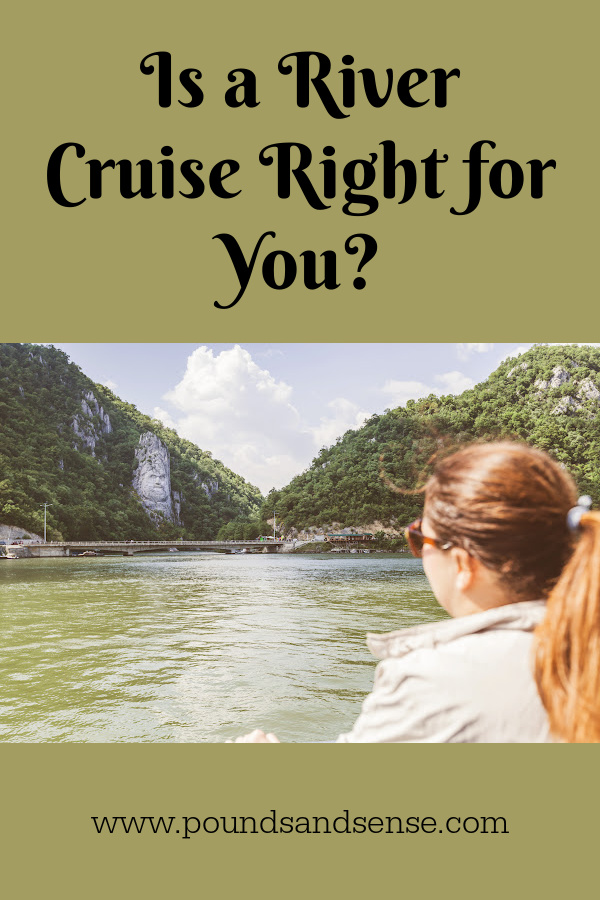
Is a River Cruise Right for You?

Is a River Cruise Right for You?

In a recent post I talked about How to Save Money on Cruise Holidays. One or two people asked if I had any specific advice on river cruises, so today I thought I would address this subject.

River cruising has become one of the fastest-growing travel trends in recent years, and it’s not hard to see why. With scenic routes that wind through historic towns, a gentle pace, boutique ships and inclusive experiences, river cruises can feel like a dream holiday. But are they right for you?

In this post, I will explore the pros and cons of river cruising – particularly for older travellers – and share some  tips to help you get the best value for money.

🌊 What Is a River Cruise?

Unlike ocean cruises that traverse vast stretches of sea, river cruises sail inland waterways – think the Danube, Rhine, Seine, Douro, Nile or Volga. Ships are typically smaller, with fewer passengers and a focus on cultural immersion and sightseeing.

👍 Pros of River Cruises

1. Gentle Pace & Easy Exploration

River cruises are designed for relaxation, with stops in multiple towns and cities. You often disembark right in the heart of destinations – no long transfers from ports. This is ideal for older travellers who want culture without stress.

2. All-Inclusive Comfort

Most river cruise packages include meals, onboard entertainment and guided excursions. Fewer hidden costs mean easier budgeting – a big plus if you’re watching the pounds and pence.

3. Accessible & Stress-Free

Ships have fewer stairs and lots of public open space. Many cabins and facilities are designed for accessibility, which suits older passengers or anyone with mobility issues.

4. Scenic Days & Scenic Nights

You rarely miss a view, cruising through vineyards, past castles and alongside charming villages. It’s like a constantly changing hotel window.

5. Sociable but Calm Atmosphere

With smaller ships and more mature crowds, river cruising tends toward a relaxed, sociable vibe without the “big ship” bustle.

👎 Cons of River Cruises

1. Higher Cost per Day

River cruises are often more expensive per person, per day than equivalent ocean cruises or land tours – especially during peak seasons.

2. Smaller Cabins

Space is at a premium. Cabins can feel compact – which might be uncomfortable if you like extra room.

3. Limited Onboard Activities

If you crave night-time entertainment, water-slides or casinos, river cruising might feel too sedate. It’s more about sightseeing than onboard spectacle.

4. Mobility Needed for Excursions

Most shore excursions involve walking tours. While many are gentle, some may not be suitable for travellers with limited mobility unless you choose accessible options.

5. Seasonal & Weather Dependent

River levels vary with the weather. Drought or heavy rain can affect itineraries – something to keep in mind when planning.

💡 River Cruise Tips – Get the Best Value for Money

If a river cruise sounds appealing, here’s how to make sure it’s a smart financial decision:

1. Book Early – Or Last-Minute

Booking early often secures the best cabins and lower prices. But some lines also discount last-minute sailings to fill unsold berths. Stay flexible and watch for deals.

2. Choose Shoulder Seasons

Travelling in spring or autumn often means lower prices, fewer crowds and milder weather — great for cost-conscious explorers.

3. Compare Inclusions

Don’t just look at headline prices. Check what’s included. Flights, transfers, excursions and drinks packages can add up.

A slightly higher headline price with lots included may represent better value overall.

4. Compare direct vs agent pricing

Sometimes booking directly with the cruise line is cheaper; other times a specialist agent will have better exclusive rates.

5. Fly from Regional Airports

River cruise packages often include flights. Compare prices from regional UK airports — you may find cheaper deals than London departures.

6. Consider Solo or Shared Cabins

Some lines offer solo cabins or shared spaces that can be more affordable if you’re travelling alone.

7. Use Loyalty Programmes & Travel Agents

Cruise line loyalty programmes can bring discounts, upgrades or onboard credits. Specialist cruise agents often know about promotions that aren’t publicised online.

8. Plan Your Excursions Wisely

Shore excursions arranged through the cruise can be expensive. Look into local guides or self-guided tours where safe and feasible.

🛳️ How to Book Your River Cruise (and Where to Find Deals)

Booking a river cruise might seem daunting at first – there are many companies, rivers, dates and price points to choose from. But with a bit of know-how and the right resources, you can find great value and a cruise that suits your travel style and budget.

🌐 Specialist River Cruise Websites (UK Focused)

For many UK travellers, booking through a river cruise specialist can be one of the easiest ways to find the best deals and get expert advice:

  • RiverCruising.co.uk – A UK-based specialist agent offering cruises from a range of operators, with ABTA and ATOL protection and support in choosing the best itinerary for you.

  • GlobalRiverCruising.co.uk – Independent UK specialists focused on delivering tailored itineraries and exclusive savings across multiple top cruise brands.

  • Blue Water Holidays / CruisingHolidays.co.uk – UK travel agencies that cover river and small-ship cruises with plenty of detailed itineraries, customer reviews and exclusive deals.

  • LoveitBookit.com – Another trusted UK cruise agency where you can explore river cruise options and get personalised support from cruise experts.

These specialist sites often bundle flights, transfers and insurance into your holiday package and can help you navigate which cruise line and dates are best for your budget.

💻 Discount and Deal Sites

If you’re hunting for current deals and discounts, here are a few places worth checking regularly:

  • Wowcher – Offers curated travel deals, including discounted river cruise holidays in Europe.

  • Cruise comparison sites like Cruise1st also list special seasonal offers and upgrades on river cruise itineraries.

💡 Pro tip: Sign up for newsletters from these sites and the cruise lines themselves — many discount offers (especially early-bird or seasonal sales) go out first to email subscribers.

🚢 Leading River Cruise Companies for UK Travellers

Here are some of the most popular and reputable river cruise operators you might consider when booking:

🌍 Major International River Cruise Lines

  • Viking River Cruises – One of the best-known names in river cruising, with a wide range of European itineraries and good UK-specific resources.

  • AmaWaterways – Highly regarded for quality service, food, and wine, with promotional offers on many routes.

  • Emerald Cruises – Offers strong value deals with flights and extras sometimes included, plus seasonal discounts.

  • Uniworld Boutique River Cruises – Known for luxury, all-inclusive offerings and beautifully designed ships.

  • Amadeus River Cruises – A traditional European operator focused on elegant boutique-style river experiences.

  • CroisiEurope – A family-run French line with a vast range of European river routes and good mid-range pricing.

  • Saga River Cruises – A UK-focused operator tailored for travellers over 50, offering all-inclusive European river cruises with added UK perks such as included chauffeur services and local departures.

📍 How They Work for UK Travellers

  • Many of these companies have UK-specific websites and/or call centres and offer flight-inclusive packages departing from UK airports.

  • Booking early – often 12–18 months ahead – can secure the best cabins and prices, as river cruises tend to sell out popular routes well in advance. (Cruise community insights also suggest booking early rather than waiting for last-minute deals due to limited capacity.)

💭 Closing Thoughts: Is a River Cruise Worth It?

If you love scenic travel, cultural immersion and a relaxed pace – and you’re willing to pay a bit more for convenience and comfort – river cruising can be an unforgettable experience. For older travellers, the accessibility, ease and inclusive nature are major advantages.

But if you’re after huge ships with lots of entertainment or travel on a tight budget, alternative holiday types (like escorted tours or independent travel) might suit you better.

Ultimately, it comes down to your travel priorities, mobility and budget. With smart planning and savvy spending, a river cruise can be both affordable and deeply rewarding.

  • Have you tried a river cruise yourself and would you recommend it? Have any other tips for saving money or making the most of your holiday? Please do leave a comment below!


If you enjoyed this post, please link to it on your own blog or social media:
How to Save Money on Cruise Holidays

How to Save Money on Cruise Holidays

Cruise holidays have become increasingly popular with older adults, and it’s easy to see why. They offer a relaxed way to travel, with accommodation, meals, entertainment and transport between destinations all included in one package.

However, cruise prices can vary significantly, and it’s not always obvious where good value ends and unnecessary expense begins. With a bit of forward planning and careful comparison, it’s perfectly possible to enjoy a relaxing and comfortable cruise holiday without spending more than you need to.

Below are some sensible ways to keep cruise costs under control, while still getting the most from your time away.

1. Flexibility Can Make a Big Difference

One of the most effective ways to save money on a cruise is to be flexible about when and where you travel.

  • Cruises outside school holiday periods are usually much cheaper, which suits retirees and semi-retired travellers particularly well.

  • Spring and autumn “shoulder seasons” often combine reasonable weather with lower prices and fewer crowds.

  • Less well-known itineraries can offer excellent value, even though the onboard experience is often very similar.

If you can avoid setting your plans too tightly, you’re far more likely to find a good deal.

2. Compare Prices Using Cruise Deal Sites

Cruise prices are not always the same across different websites, so it’s well worth shopping around. In addition to checking cruise line websites directly, comparison and deal sites can be very useful.

Some UK-based sites worth trying include:

Prices and inclusions can vary, so it’s important to look beyond the headline figure and check what’s actually included.

3. Think Carefully About Extras and Add-Ons

Many cruises offer optional extras such as drinks packages, speciality dining, wi-fi and organised shore excursions. While these can be convenient, they are not always good value for everyone.

For example:

  • Drinks packages tend to suit heavier drinkers, but can work out expensive if you only have the occasional drink.

  • Independent shore excursions, or simply exploring ports on your own, are often much cheaper than ship-organised trips.

  • Onboard wi-fi can be surprisingly expensive. You may be able to get free or low-cost wi-fi locally when the ship is in port.

Choosing only the extras you’ll genuinely use can keep overall costs much lower.

4. Cabin Choice Can Have a Big Impact on Price

Cabin type is another major factor in cruise pricing.

  • Inside cabins are usually the cheapest option and can be perfectly comfortable, especially if you spend most of your time enjoying the ship or going ashore.

  • Obstructed-view cabins often cost less than standard ocean-view cabins, but still offer natural light.

If having a balcony is not essential to you, opting for a more modest cabin can result in significant savings.

5. Consider Cruises Departing From the UK

Cruises that depart from UK ports such as Southampton, Tilbury or Liverpool can be excellent value for money.

They remove the need for flights, overnight hotels and airport parking, which can add substantially to the cost of a holiday. They also tend to be less stressful, which many older travellers appreciate.

6. Timing Your Booking Can Help

There are certain times of year when cruise deals are more common.

  • The early months of the year often bring a wave of promotions, including reduced deposits or onboard credit.

  • Late deals can offer good value if you are able to travel at short notice, although cabin choice may be limited.

  • Booking early can also pay off if you have a particular itinerary or ship in mind.

Signing up for email alerts from cruise lines and deal websites can help you spot price reductions.

7. Make Use of Loyalty Schemes

If you cruise more than once, loyalty schemes are worth considering. Over time, they can provide benefits such as onboard credit, discounted fares or priority services, all of which add to the overall value of your holiday.

Final Thoughts

Cruise holidays don’t have to be expensive, particularly for older adults who have the flexibility to travel outside peak periods. By comparing prices carefully, choosing cabins and extras sensibly, and taking advantage of UK-based cruise deals, it’s possible to enjoy a relaxing and well-organised holiday without overspending. The key is to focus on value for money, rather than paying for features or extras that don’t genuinely enhance your experience.

As always, any comments or questions on this post are welcome. In addition, if you have any tips of your own for saving money on cruise holidays, I would love to hear them! 🚢


If you enjoyed this post, please link to it on your own blog or social media:
UK Holiday Ideas

Planning a UK Holiday This Year? Here Are Some Ideas For You!

For many of us 2025 was another difficult year, with a cost-of-living crisis driven especially by rising gas and electricity costs.

With the festive season behind us now – and a cold and miserable start to the new year – many of us are understandably desperate for something to look forward to in the year ahead.

Some will be planning to head abroad in search of sunnier climes. But others may be deterred by the cost of going overseas and the additional hassles it may entail.

So today I thought I’d share links to my blog posts about some UK holiday destinations I’ve visited in the last few years, in case you wish to consider them for short (or longer) breaks in the year ahead. Clicking on any of the links below will open my post about the place concerned in a new tab, so you won’t have to keep clicking the Back button to return here.

The Destinations

Llandudno

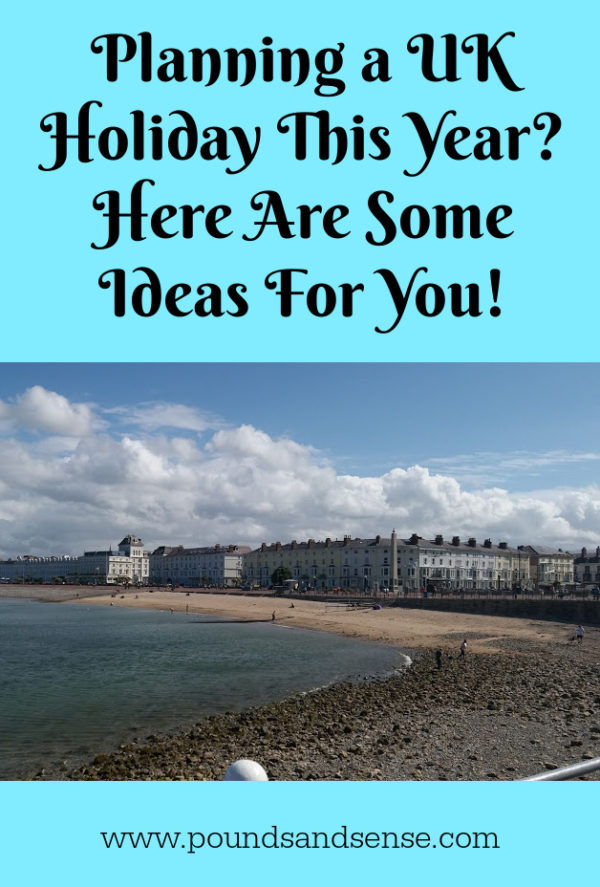
Llandudno in North Wales is somewhere I’ve been visiting regularly for over ten years now (most recently in 2025, when I went twice). It’s a traditional British seaside resort with a long pier, Punch and Judy show, sweeping promenade, and plenty more (you can see the stunning Victorian seafront in the cover image). It’s very popular with both older people and young families. As well as my main review, my October 2020 Coronavirus Crisis Experience Update includes details of a short break I enjoyed there just before the Welsh government imposed another lockdown 😮

Minehead

Minehead is a North Somerset coastal town. I enjoyed a short break there in 2020 as well, at a time when lockdown rules were relaxed. It was my first visit to Minehead and I particularly enjoyed visiting the National Trust property Dunster Castle, which is just a couple of miles down the road. Sadly the West Somerset Railway which starts (or ends) in Minehead was closed due to the pandemic when I went, but I’d love to go back for a trip on this heritage steam railway sometime in the future.

Aberystwyth

Aberystwyth is in mid-Wales on the Cardigan Bay coast. I have visited it three times now, the first two staying at the Marine Hotel and the most recent at a self-catering apartment called Sea Brin. Aberystwyth is quieter and less commercialized than Llandudno (mentioned above), and the fact it’s a university town means it has quite a cosmopolitan feeling. It’s a good place to chill out, but there are plenty of interesting things to see and do as well.

Aberdovey

I visited Aberdovey for the first time in April 2023. It’s a small town on the mid-Wales coast. It’s about ten miles north of Aberystwyth and five miles south of Tywyn, the home of the Talyllyn Railway (see below). It’s a charming, laid-back place, perfect for a relaxing short break. It has a beautiful beach (with watersports for those who want them) and some great cafes and restaurants. I wouldn’t go there for the night-life, though – even the chip shop closes at 8 pm!

Hewenden Mill Cottages, Yorkshire

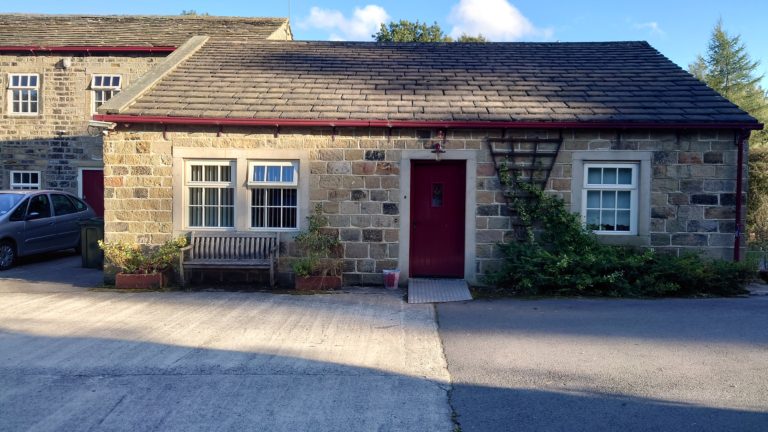
I had a particular reason to visit Hewenden MIll Cottages, as my sister Liz and her family live just a couple of miles down the road in Wilsden. Even if I didn’t have family connections, though, I would definitely recommend them for a short break. The accommodation consists of a number of former mill-workers’ cottages, in a beautiful woodland setting. The cottages (such as the one below, where I have stayed myself) are spacious and well equipped. From here you can visit Haworth – home of the Bronte sisters – and the Victorian model village of Saltaire. The area is also great for walking and cycling.

Hewenden Mill bungalow

Aberdunant Hall Hotel, nr Porthmadog

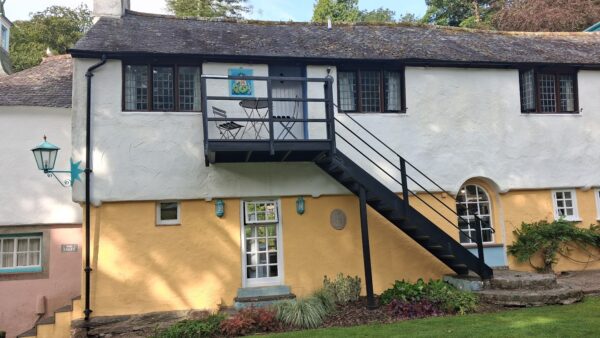
The Aberdunant Hall Holiday Park and Hotel (to give it its full name) is about four miles from the North Wales coastal town of Porthmadog You can stay in the hotel itself (which is quite compact) or in accommodation around the park. I stayed in what they call a Forest Pod, which is roughly the equivalent of half a caravan. It was okay for a short break but if you went as a couple the cramped conditions could put a strain on your relationship! If I went again I would book a room in the hotel or maybe one of the Woodland Escape Suites in the park. I still enjoyed my stay there, and found the location convenient for visiting a range of places including Portmeirion (where the sixties TV series The Prisoner was filmed) and the Ffestiniog Railway, which runs from Porthmadog to Baenau Ffestiniog. It’s also on the edge of Snowdonia, with lots of opportunities for walking and mountain climbing.

Lake Vyrnwy

Lake Vyrnwy is a few miles over the border from Shropshire into Wales. I went there in 2019 after watching a TV show about the history of this artificial lake, which was originally created to provide a water supply for the people of Liverpool in the 19th century (it’s now naturalised and if you weren’t aware of its history you wouldn’t know it was man-made). I stayed at the Lake Vyrnwy Hotel and Spa, which is near the dam at the western end of the lake. This was originally built to accommodate senior managers and engineers on the construction project, though it has of course been extended and modernised many times since. If you want to visit Lake Vyrnwy, it’s the best (possibly the only) option. I happened to choose a bitterly cold weekend just before Easter for my visit, which spoiled it a bit. Still, I enjoyed the beautiful scenery and some great walks. It’s probably not a place to take children, however, as there might not be enough for them to do.

The Talyllyn Railway

The Talyllyn Railway (also mentioned under Aberdovey) is a heritage steam railway in Wales. It starts in the town of Tywyn in mid-Wales, so in October 2018 I booked a short break there. To be honest there isn’t a great deal else to do in Tywyn, but it makes a good base for a day on the railway. And the railway itself takes you through some stunningly beautiful countryside. If you buy one of their very reasonably priced Day Rover tickets, you can get on and off at any station along the route. I highly recommend an hour or two at Dolgoch, which has some great walks and lovely waterfalls.

Warner Leisure Hotels

Warner Leisure Hotels have 16 country and coastal resort hotels across England and Wales. They have a strict adults-only policy, and appeal mainly to an older clientele (based on my experience, the average age is around seventy). As well as accommodation they offer a variety of leisure activities, including day trips, quizzes, guided walks, archery and bowls, social dancing, swimming, and so on. Most of these activities are included in the price, as is the evening entertainment. I have stayed at Bodelwyddan Castle in North Wales and Alvaston Hall in Cheshire. Some aspects I liked, others I wasn’t so keen on, as you can read in my review. You can also see their latest offers by clicking on the banner ad below [affiliate].


The Lake District

About five years ago I took a short break in the English Lake District. I stayed at the Waterhead Hotel, just south of Ambleside, at the north end of Lake Windermere (England’s largest lake). The hotel is located literally a few yards from the lake (hence the name, of course). If you haven’t visited the Lake District before, the area should definitely be on your ‘To Do’ list. There are many miles of beautiful countryside to explore, along with attractions such as Beatrix Potter’s house and Wray Castle. And, of course, you must buy a day ticket for the Windermere lake steamers. You can travel the length of the lake in style on these vessels, while sipping a hot chocolate (or something stronger) and listening to commentary on the scenery passing alongside. Highly recommended 🙂

The Isle of Man

I visited the Isle of Man for the first time in April 2024, staying in the island capital Douglas. I went on a heritage-railway-themed break offered by Newmarket Holidays. So naturally I had trips on the Isle of Man Steam Railway and also the Manx Electric Railway. The latter takes you from Douglas to Laxey and onward to Ramsey. Laxey is the home of the iconic Lady Isabella waterwheel, the largest working waterwheel in the world. The IOM is about the same latitude as Liverpool so obviously the weather can be variable, but I was lucky enough to get wall-to-wall sunshine during my stay. I flew to the island from Birmingham Airport which took about 45 minutes, but you can also get a ferry from Heysham or Liverpool. The Isle of Man is charming and verdant, and largely unspoiled. Definitely worth considering if you’re looking for something a little bit different for a short (or longer) holiday.

Llanbedrog

I visited Lanbedrog for the first time in July 2021. It’s a village on the Llyn (or Lleyn) Peninsula in NW Wales. I stayed at an Airbnb property, the first time I had done this (Llanbedrog doesn’t have any hotels as far as I know). It’s by the coast, roughly half way between Pwllheli (famed for its Butlins camp, now run by Haven Holidays) and trendy Abersoch. It has a beautiful sandy beach which would be perfect for families with young children (or grandchildren). I very much enjoyed my three-night stay and found it a perfect place to relax and chill out after months of lockdown. The National Trust mansion (and garden) Plas yn Rhiw is about seven miles away.

Criccieth

I stayed in Criccieth in North Wales for the first time in June 2022, although I had visited the town in the past. It’s a lovely place to relax and chill out. It has excellent road and rail connections, and there are also some high-quality tourist attractions nearby, including Portmeirion and the Ffestiniog Railway. Criccieth itself is best known for its castle which dominates the town. Although it’s a ruin, many of the walls are still standing and you can enjoy some amazing views across the bay, as far as Harlech Castle and beyond.

Lavenham

I visited Lavenham in Suffolk for the first time in August 2022. It is said to be England’s best-preserved medieval town, with over 300 listed, timber-framed houses. There are various historic buildings such as the Guildhall and Little Hall you can look around. Lavenham also boasts a variety of highly rated pubs and restaurants, and some lovely tea rooms and coffee houses as well! 🍮

Barmouth

Barmouth is a traditional Welsh seaside resort about ten miles south of Harlech. I visited in September 2022, staying at an elegant Victorian Gothic hotel called Tyr Graig Castle. Barmouth has a clean, attractive promenade and beautiful sandy beach which goes out a long way. There is plenty to do for families, including a funfair and amusement arcades. There are various restaurants and fast food outlets along the seafront. There is also a railway station with regular trains to Pwllheli in one direction and Aberystwyth and beyond in the other. Nearby attractions include Harlech Castle, Portmeirion and the Fairbourne miniature steam railway 🚂

Bath

I visited the historic city of Bath in June 2023. There is lots to see and do, although top of many people’s lists will be the stunning Roman Baths. Bath Abbey is well worth a  look too, and you can admire the beautiful Georgian architecture around the city for free! Read my top tips for anyone visiting Bath in this post, including the excellent self-catering accommodation I stayed at.

Other Resources

Here are links to a few other blog posts that may be of interest if you are planning a UK holiday this year…

Booking a Holiday With Airbnb

In recent years Airbnb has become increasingly popular for self-catering holidays. You can book anything from a spare room in someone’s home to a whole house or apartment. My recent short breaks in Lavenham and Llanbedrog (see list above) were in Airbnb properties. You can read all about the booking process in my post.

Find Your Nearest Cashpoint with the Link ATM Locator

Finding a cashpoint in an unfamiliar town (or village) can be challenging, so you might find this free app a useful resource to download. It has helped me avoid embarrassment on several occasions.

Ten Tips for First Time and Solo Cruisers

If your thoughts are turning further afield, you may be considering a cruise holiday as an option. Even if you can’t go abroad, I can testify from personal experience that a cruise of the British Isles (like these, perhaps) can be very enjoyable and enlightening. My blog post sets out a range of tips and advice that will be particularly relevant for first-time and solo cruisers.

Finally, coach holidays are another very popular option among older people especially. I don’t have much experience of this myself, but my friends at Over 60s Discounts have a great article about coach holidays for over-60s in the UK. This includes a list of popular UK destinations and details of several companies offering low-cost coach holidays.

Closing Thoughts

I hope you have enjoyed reading this post and it has given you a some ideas for UK holidays.

Obviously I am a 60-something male and nowadays usually travel on my own. So if your circumstances are different from mine, I understand that some of the destinations mentioned above might not hold as much appeal. In addition, I live in Staffordshire, so the places I go are all reasonably accessible from there.

Finally – as I noticed when reading back my list – I do have a bit of a penchant for places with heritage steam railways nearby, so please bear that in mind as well 😀

Of course, I’d love to hear your views about any of the destinations mentioned, or any other places in the UK you would recommend for a short break or longer holiday. Please leave any comments or questions below as usual.

Note: This is a fully revised update of an annual post.

  Vintage vector created by ajipebriana – www.freepik.com


If you enjoyed this post, please link to it on your own blog or social media:
How to Tow a Caravan With an Electric Car in the UK

How to Tow a Caravan with an Electric Car in the UK

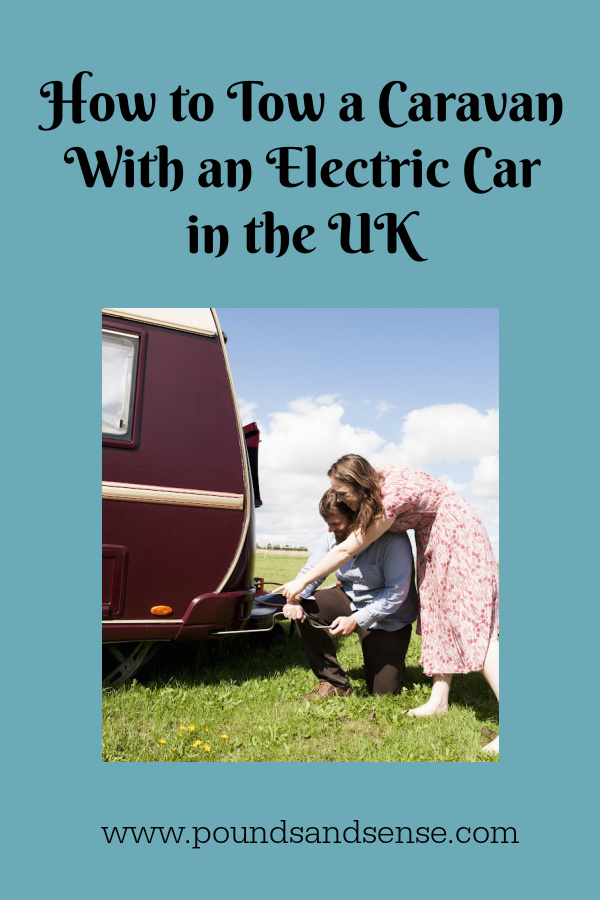
Today I’m looking at a subject relevant to growing numbers of UK motorists: what are the practicalities of towing a caravan with an EV?

In this post I have teamed up with my friends at specialist caravan insurers Compass Insurance and European EV charging infrastructure company Fastned. I am very grateful to them for their expert tips and information.

With over 1.5 million EVs now on UK roads – and staycations more popular than ever – more people are pairing their electric cars with touring caravans. But while the idea is appealing, towing with an EV requires careful planning, especially when it comes to battery range and charging stops.

Why Towing With an EV Is Different

Although many modern electric cars are perfectly capable of towing – with some legally able to handle loads up to 2,500 kg – pulling a caravan takes a toll on battery life. You could see your EV’s range drop by up to 50% when towing a typical 4-berth caravan.

This means you’ll likely need to stop more often to charge. But here’s the catch: most public EV chargers aren’t designed for hitched-up vehicles. Accessing a charger with a caravan in tow can be tricky at best and downright impossible at worst.

Kevin Minnear, Head of Underwriting at Compass Insurance, explains:

“Electric cars have come a long way, but towing a caravan with one is still a logistical challenge. With range reduced and many public charging stations not designed to accommodate a hitched caravan, it’s essential to plan ahead.”

The Charging Challenge

As of summer 2025, there are now over 80,000 public EV charging points across the UK, and around 20% of them are classed as rapid or ultra-rapid. But the problem isn’t quantity; it’s access. Many charging bays aren’t suitable for caravans, especially in tourist hotspots during peak season.

Tom Hurst, UK Country Director at EV charging company Fastned, says this is starting to change:

“We’ve prioritised ultra-rapid hubs with drive-thru layouts that make it easier for caravanners to pull in, charge, and continue their journey without the hassle of unhitching.”

Still, the infrastructure needs to catch up with demand — particularly in rural areas where many caravan sites are located.

Tips for Towing a Caravan with an EV

Whether you’re a seasoned tourer or trying it for the first time, these practical tips from Compass Insurance can help make your EV-powered getaway go more smoothly:

✅ Check Your EV’s Towing Capacity

Not all electric vehicles are built to tow. Check the VIN plate, manual, or manufacturer website to confirm. As a rule of thumb, newbies should follow the 85% rule – your caravan should weigh no more than 85% of the EV’s kerbweight.

✅ Plan Your Route with Charging in Mind

Use EV-specific apps like Zap-Map or A Better Routeplanner to find caravan-accessible chargers. Avoid peak hours (usually 11 am to 1 pm), and check for reviews and layout photos before setting off.

✅ Prepare for Extra Stops

Towing significantly reduces range. On a 250-mile journey, you may need to stop twice. Charging from 10% to 80% can take 30–60 minutes, so build this into your journey.

✅ Unhitching Might Be Unavoidable

Most chargers won’t let you pull in with a caravan attached. Travel with a second adult when possible so someone can stay with the caravan while you charge.

✅ Know What’s Available at Your Campsite

Call ahead to check if EV charging is available, and at what cost. If possible, top up overnight with a dedicated charger. Never plug into your caravan’s standard hookup unless you’re absolutely certain it’s allowed and safe.

✅ Drive Efficiently

Stick to 50 to 60 mph, use cruise control, and take advantage of regenerative braking to extend your range.

✅ Don’t Overpack

Watch your payload! Most caravans allow 150 to 170kg for luggage. Overloading can affect safety, handling, and battery efficiency – especially if you’re carrying heavy extras like e-bikes or awnings.

Caravan Parks: Time to Think Ahead

With more EV drivers hitting the road, holiday parks and campsites also need to adapt. Standard domestic sockets aren’t a safe substitute for dedicated EV chargers. They can overheat, pose tripping hazards, and even create security risks if left through windows or doors.

Compass Insurance urges park operators to consider investing in proper EV charging infrastructure, both to improve safety and to meet growing guest expectations.

As Kevin Minnear points out:

“By exploring safe, compliant charging solutions, park operators can help ensure both convenience and peace of mind for their visitors.”

Closing Thoughts

Towing a caravan with an electric vehicle is absolutely do-able – and increasingly common – but it does take more thought than simply packing your bags and hitting the road. With a bit of forward planning and the right tools and equipment, your EV-powered holiday can be just as relaxing as any other… without the emissions.

Whether you’re heading to Cornwall or the Cairngorms, planning your journey, charging stops and destination ahead of time will make all the difference.

For more travel and EV-towing advice, visit Compass Insurance’s website or follow them on social media.

If you have any comments or questions about this post, as always, please do leave them below.


If you enjoyed this post, please link to it on your own blog or social media:
How to save money on rail fares with split ticketing

How to Save Money on Rail Fares With Split Ticketing

Rail travel is generally a comfortable, environmentally-friendly way of getting from A to B. But it can also be expensive, especially for longer journeys. 

However, there’s a money-saving hack called ‘split ticketing’ that savvy travellers can use to reduce their fare costs – often by a substantial amount. 

What is Split Ticketing?

Split ticketing involves breaking a journey into two or more smaller segments, purchasing separate tickets for each segment rather than one through-ticket. With the help of apps like Trainsplit, this process becomes simple and automated.

With split ticketing you still travel on the same train and follow your intended route. But instead of buying a single ticket from your starting point to your destination, you buy multiple tickets to and from stops along the route. This can result in significant savings without any need to change trains.

For example, say you’re travelling from London to Edinburgh. Instead of buying a direct ticket, you could split the journey into sections like London to York and York to Edinburgh. The train stops at York anyway, so you’re not inconvenienced, but the price could work out considerably cheaper.

  • Note that split ticketing only works if the train you’re on stops at the intermediate destination/s on your tickets. If it merely goes through them without stopping, this won’t be allowed.

Why Does Split Ticketing Work?

The UK rail fares system is complicated and confusing, with different pricing structures and promotional fares on offer for different parts of the same journey. 

These pricing inconsistencies mean that splitting a trip into smaller segments can bypass some of the more expensive through-ticket fares. It’s a loophole in the system, but one that is perfectly legal. I have even had ticket inspectors comment approvingly when they see I am doing this!

How Do Apps Like Trainsplit Help?

Apps like Trainsplit do all the hard work for you. They automatically search for the best combination of tickets to get you to your destination at the lowest price. 

You enter your starting point, destination and travel time, and the app generates options showing where you can split the journey and how much you will save. 

If you have a Railcard that offers a discount (see below) this can be incorporated by the app as well. Just ensure you have the Railcard with you when you travel.

Example Savings

Let’s take a few real-world examples to illustrate just how much you can save with split ticketing.

London to Manchester

  • Standard fare: £90 (for a direct ticket)
  • Split ticketed fare: £65 (splitting at Milton Keynes and Stoke-on-Trent)
  • Savings: £25 (about 28%)

Edinburgh to Birmingham

  • Standard fare: £80
  • Split ticketed fare: £55 (splitting at Newcastle and York)
  • Savings: £25 (around 31%)

Bristol to Leeds

  • Standard fare: £85
  • Split ticketed fare: £58 (splitting at Birmingham New Street)
  • Savings: £27 (about 32%)

In each case, the split-ticketing options allow you to stay on the same train, without changing platforms or worrying about missed connections, while saving a significant percentage on your fare.

How to Use Trainsplit and Similar Apps

Using Trainsplit is straightforward:

  • Download the app or visit the website.
  • Enter your starting point and destination.
  • Select your travel dates and times.
  • Tick the box for any railcard you may have.
  • The app will show you the best split-ticket options, along with the potential savings.
  • Purchase the split tickets directly through the app.

The app even takes care of booking all the individual tickets at once, so you don’t have to make multiple transactions. 

Other similar apps, like Trainline and RailEurope, also offer split ticketing features, though Trainsplit is especially focused on this. In my experience it typically offers the best savings, though you can of course try other apps as well to see if you can find a better option.

More Tips for Saving Money on Rail Fares

While split ticketing can make a significant difference, there are other ways as well to reduce the cost of rail travel:

Book in advance: Advance tickets are usually released 12 weeks before travel and are often much cheaper than buying on the day.

Travel at off-peak times: Fares are usually lower during off-peak hours (generally outside morning and evening rush hours).

Use a Railcard: If you’re eligible, a Railcard (such as the 16-25 Railcard, Two Together Railcard, or Senior Railcard) can save you up to a third on fares.

Check GroupSave offers: Some routes offer GroupSave discounts for groups of three or more travelling together.

Save on days out: Certain tourist attractions offer reduced-price admission (or two-for-one) if you go by train. For example, visitors to Madame Tussauds in London can get a third off the admission price if they travel by train. Check out the National Rail website for this and other offers.

Closing Thoughts

Travelling by train doesn’t need to break the bank, especially when using smart strategies like split ticketing. 

With apps like Trainsplit, the process of finding the best deals is automated, making it easier than ever to save. By investing a few minutes in checking split-ticket options, you could potentially save a significant amount on your next journey, leaving more money in your pocket to spend at your destination!

As ever, if you have any comments about this post, please do share them below.

This is a revised and updated version of an article first published on Mouthy Money.


If you enjoyed this post, please link to it on your own blog or social media:
Tow Like a Pro - Caravan Safety Tips from the Experts

Tow Like a Pro – Caravan Safety Tips From the Experts

The weather is warming up at last. And that means many Brits will be planning a trip with a caravan, in some cases for the first time.

So today I’m sharing some top tips to ensure you (and your caravan) stay safe and reach your destination without any dramas. This post has been written in association with my friends at Compass, who are specialists in caravan and leisure insurance

As staycations continue to boom across the UK, more and more drivers are taking to the roads with caravans in tow. But with this rise in travel comes a sharp reminder: towing a caravan can be tricky, especially for the inexperienced.

According to recent claims data from Compass, a whopping 60.5% of touring caravan insurance claims are due to accidental damage. With the Easter holidays almost here and thousands of caravan enthusiasts preparing for trips, taking precautions on the road is more important than ever.

The Most Common Causes of Accidental Damage

Accidents often occur during reversing, navigating tight spots, or colliding with stationary objects like posts and curbs. Kevin Minnear, Head of Underwriting at Compass, explains:

“Accidental damage claims typically arise from drivers struggling with visibility and alignment when reversing. Misjudging turn angles or road positioning can result in costly repairs. Swaying at high speeds or during windy conditions is also a major factor, particularly for less experienced drivers.”

Caravan sites, service stations, and even parking areas can become challenging environments for manoeuvring, especially without prior practice or the right equipment.

Top Towing Tips to Help Prevent Accidents

To help you stay safe and avoid unnecessary claims, Compass shares these essential towing safety tips:

  • Check your towing match: Make sure your vehicle is suitable for towing your caravan. A good rule of thumb is the 85% rule – your caravan’s laden weight should not exceed 85% of your car’s kerb weight.

  • Distribute weight wisely: Keep heavy items low and close to the axle to maintain balance and reduce the risk of swaying.

  • Practice makes perfect: Reversing and manoeuvring can be difficult – especially under pressure. Practice in a quiet, open space and consider using a spotter or installing a reversing camera.

  • Adjust your driving: Towing affects acceleration, braking, and cornering. Drive at moderate speeds, allow for longer stopping distances, and watch out for crosswinds.

  • Run pre-journey checks: Check tyre pressures, lights, towing connections, wheel nuts, and mirrors before every trip.

  • Know the law: Ensure you have the correct driving licence and stick to legal speed limits: 60 mph on motorways and dual carriageways, and 50 mph on single carriageways.

Insurance and Training Matter

With accidental damage such a common issue, having the right insurance is crucial. Caravan insurance is separate from car insurance and is necessary to cover damages specific to your caravan.

Minnear adds:

“Many caravan accidents are avoidable with the right precautions. We encourage all caravan owners to familiarize themselves with safe towing practices and ensure their insurance covers what they need. DVSA-accredited towing courses are a great way to build confidence – and some insurers even offer discounts to those who complete them.”

As more Brits embrace caravanning, being informed and prepared is key – not only for protecting your caravan but also for ensuring your family’s safety and that of others on the road.

For more information about specialist caravan and leisure insurance, visit compass.co.uk.


Many thanks again to my friends at Compass for their assistance with this article. If you’re holidaying in a caravan this Easter – or later in the summer – I do hope your journey is both safe and enjoyable.

Happy caravanning!

As always, if you have any comments or questions about this article, please do leave them below.


If you enjoyed this post, please link to it on your own blog or social media:
My short break on the Isle of Man

My Short Break on the Isle of Man

I recently returned from a four-night break on the Isle of Man. It was actually the first time I had ever visited the island, so it’s fair to say I was approaching it with fresh eyes!

For this break I went on a heritage-railway-themed holiday with Newmarket Holidays – here’s a link to the package I booked. I paid a single fee, discussed in more detail below. This included four nights half board in a four-star hotel in the island capital Douglas and my flights to and from the island from Birmingham Airport. The fee I paid also covered transfers from and to Ronaldsay Airport on the IOM and various other things, which I’ll discuss shortly.

For those who don’t know, the Isle of Man is in the Irish Sea, about half way between England and Ireland. It is 32 miles long and – at its widest point – 14 miles across. It covers a total area of around 221 square miles, That makes it nearly five times bigger than Jersey, the largest of the Channel Islands. It is a self-governing British Crown dependency. You can read more about the Isle of Man in this Wikipedia article.

Here is a map of the island from Google Maps…

Flights

As mentioned I flew to the Isle of Man from Birmingham, getting a taxi to and from the airport.

I’d have to say my experience at Birmingham Airport on the outward journey was poor. A lot of building work was going on to install new luggage scanners. As a result the usual queuing areas and escalators were unavailable and passengers had to queue for ages, first to get into lifts to the departures area and then to get through security. I spent almost two hours queuing and by the time I was through it was the final call for my flight. So I then had a mad dash to get to the gate in time. Thankfully I just made it; I’m sure others weren’t as lucky.

The flights were with Scottish airline LoganAir and were actually very good. The isle of Man only attracts relatively small numbers of visitors, so they use small planes and boarding is quick and easy. I was also impressed to be offered free refreshments on both the outward and return flights (something I haven’t experienced on a holiday flight for many years). It took around 50 minutes to get from Birmingham to the IOM, so that was quick and easy too. Of course, if you don’t like flying, you also have the option of going to the island by ferry from Liverpool or Heysham.

I should mention that the return flight back to Birmingham was easy in comparison. Because it’s regarded as a domestic destination, passengers returning to the UK from the IOM don’t have to go through security or passport control. I was out of the airport no more than 15 minutes after landing.

Accommodation

I stayed in a four-star hotel called The Mannin in Douglas. The hotel is just off the main promenade and several other Newmarket Holidays guests were staying there as well.

The hotel room had all the amenities needed for a short stay, including a comfortable double bed, a flat-screen TV, a fridge and electric kettle, and plenty of drawer and wardrobe space. It had an en-suite bathroom with a modern power shower that worked well, with plenty of hot water.

One thing the room didn’t have was a window to the outside world. It had a window leading out to a small balcony, but this was actually within the hotel, overlooking the bar and restaurant area. You may not be surprised to hear that I didn’t use this during my stay 😏

As mentioned, I was staying half-board. Breakfasts were buffet-style and included everything you’d expect, including cooked items such as bacon, sausages, tomatoes, mushrooms and fried or poached eggs (no scrambled, though). I was pleased to discover that the evening meals included my choice of starter, main meal and dessert, with even the most expensive items such as steak at no extra cost. My one slight reservation was that, barring the soup and fish of the day, the menu was the same every night . If I had been staying any longer I might have found this a bit limited. That’s only a very small criticism, though.

Financials

As Pounds and Sense is primarily a money blog, I should say a few words about this.

I paid a total of £1,305 (including VAT) for my four-night visit. That might sound a lot, but as mentioned it included my flights to and from the island, coach transfers, and most meals, along with various other services and amenities. I stayed in a double room with single occupancy, so obviously paid a bit more than a couple would have (pro rata). And finally, I was in a premium four-star hotel. Some other guests were in three-star hotels which I guess would have been a bit cheaper. As a matter of interest, I had to choose the Mannin as it was the only option offered to me when I booked with Newmarket. I guess all the cheaper accommodation had been snapped up already!

The price I paid also included the services of a tour guide, Trevor. He was a local man (from Peel) and extremely knowledgeable about the island. He looked after us very well and even sprang into action when I couldn’t get the top off an ice-cream tub I had bought 🍦😅 Each morning we were picked up by a double-decker bus with Trevor on board. This took us to whatever destination we were visiting first that day (typically a railway station).

Also included in the cost were Isle of Man ‘Go Explore Heritage Cards’. These provided free admission to all the main tourist attractions and also covered travel on the island’s trains and buses. As a result, I actually spent very little extra money during my break – just the odd bit for refreshments during the day and any souvenirs I chose to pick up.

Things To Do

I won’t give you a blow-by-blow account of everything I did on my visit – you can see the full itinerary on the Newmarket Holidays page if you like. I will share some highlights and personal recommendations, though.

1. Douglas: The Capital

This is where I stayed. It is a vibrant, bustling place, with an attractive beach and picturesque promenade you can stroll along. In Douglas you can find the Manx Museum to delve into the island’s history. You can also enjoy a night at the Gaiety Theatre, a beautifully restored Victorian venue offering a variety of performances.

2. Castletown and Castle Rushen

Castletown is the ancient capital of the Isle of Man. Castle Rushen (photo below), one of Europe’s best-preserved medieval castles, is here with its impressive structure and exhibits detailing the island’s past. Also in Castletown you can see the Old House of Keys, the island’s original legislative centre. The trip I was on included admission to the Old House of Keys and an entertaining hour-long interactive presentation there about the island’s history. You would have to book this in advance if not travelling with an organised group.

Castle Rushen IOM

3. Peel and Peel Castle

The town of Peel is on the island’s west coast and well worth a visit. You can explore the atmospheric ruins of Peel Castle (photo below), and enjoy fresh seafood at one of the local eateries. The House of Manannan museum provides an immersive experience into the island’s Celtic, Viking, and maritime history. You could easily spend a full day here!

Peel Castle

4. The TT Mountain Course

For motorsport enthusiasts, the Isle of Man TT (Tourist Trophy) races are legendary. Even outside of race season, you can drive or cycle the 37.73-mile TT Mountain Course, taking in spectacular views and imagining the thrill of the races.

5. Laxey Wheel and Snaefell

The Great Laxey Wheel (see cover image), also known as Lady Isabella, is the largest working waterwheel in the world. If you’re brave (and fit) enough you can go up the spiral steps to a viewing platform at the top. Nearby, the Snaefell Mountain Railway takes you to the island’s highest point. On a clear day it’s said you can see seven kingdoms from here: England, Ireland, Scotland, Wales, the Isle of Man itself, and the kingdoms of Heaven (the sky) and Neptune (the sea). On a more prosaic note, at the top is a nice cafe where you can buy excellent coffee and home-made cake 🍰

6. Isle of Man Steam Railway and Manx Electric Railway

IOM Steam Railway

I was on a railway-themed holiday, so naturally this included trips on both of these. The steam railway (photo above) runs through beautiful countryside from Douglas to Port Erin at the southern tip of the island. You get some lovely views of the coast along the way.

The Manx Electric Railway (photo below) also runs from Douglas but in the opposite direction, towards Laxey and then on to Ramsey. The Manx Electric Railway has two carriages, one covered and one open to the elements (referred to colloquially as The Toast Rack!). I went on both during my stay. You get better views from the open carriage but it can be a bit chilly, so remember to wrap up well!

Manx electric railway

Quick Tips

Here are a few tips for first-time visitors to the Isle of Man based on my own experience and other information gleaned…

1. Plan for the Weather

The Isle of Man has a maritime climate, meaning weather can be unpredictable. It’s advisable to pack layers and waterproofs to stay comfortable regardless of the conditions. That being said, I was extremely lucky on my trip and enjoyed wall-to-wall sunshine.

2. Embrace the Outdoors

With its stunning landscapes, the island is perfect for outdoor activities. Walk a segment of the Raad ny Foillan (Way of the Gull) coastal path, explore glens and waterfalls, or enjoy cycling and bird-watching.

3. Sample Local Delicacies

Don’t miss out on trying Manx kippers, queenies (small scallops), and the island’s renowned ice cream. Local pubs and restaurants often feature these and other regional specialties.

4. Respect Local Traditions

The Isle of Man has a unique culture and traditions, including its own language, Manx Gaelic. You might hear locals using expressions like “Failt Erriu” (Welcome) and it’s appreciated if you can master one or two phrases like this. There are also various superstitions on the island. One of the first I discovered concerned the fairy bridge (quite near the airport). The tour guide told us we must all say “Hello, fairies” as our coach passed over this or bad luck might befall us. Needless to say, everyone complied!

5. Use Contactless Payments

Most places accept contactless payments, but it’s wise to have some cash on hand for smaller vendors and rural areas. Note that if paying by cash you may receive change in Manx notes and coins which are not generally accepted outside the Isle of Man. UK banks will usually exchange Manx banknotes but not coins, so if you get any in your change you will have to keep them as souvenirs, donate them, or hold on to them for your next visit. You can ask retailers if they have UK money available as change, but that is not guaranteed 🙂

Closing Thoughts

As you may gather I enjoyed my holiday on the Isle of Man and am happy to recommend both the island itself and the Newmarket Holidays tour I went on.

The Isle of Man is verdant and charming, with a long and interesting history. Obviously the heritage railways are a particular attraction (for me at any rate!), but so too are the castles at Peel and Castletown and the Great Wheel at Laxey (a beautiful village with a range of other tourist attractions as well). But it’s also a wonderful place to be out walking or cycling, with quiet roads (outside the TT races obviously) and a dramatic and unspoiled coastline. I would definitely like to return there before too long.

As always, if you have any comments or questions about this post, please do leave them below. Also, if you have visited the Isle of  Man yourself and have any additional tips or recommendations, I would love to hear them!

If you enjoyed this post, please link to it on your own blog or social media:
English Heritage Discount Offer

English Heritage Discount Offer

A quickie today to let you know that until the end of August 2023, you can get a massive 25 percent off the cost of a new English Heritage membership if you pay by annual direct debit. This applies to all types of membership, including Over-65s (which is already discounted).

English Heritage looks after nearly 400 historic sites and buildings across England, including Stonehenge, Hadrian’s Wall, Dover Castle, the Iron Bridge in Telford (see cover photo), and more. Members get free admission to all properties. Other benefits include free parking in car parks owned by English Heritage, free or reduced-price admission to hundreds of special events, and free entry to properties for up to six children per member. You also receive a free members’ handbook and a magazine (published three times a year).

A further attraction of joining English Heritage is that they have reciprocal arrangements with Scottish Heritage and CADW in Wales. Members therefore get reduced or free admission to most properties owned by these organizations as well.

You can get current membership prices from the English Heritage website. Family, Joint, Individual and Lifetime memberships are available. To claim the current special offer discount, you have to enter the code IMAGINE50 on the online form when applying.

In my case I qualified for Over-65 membership. This would normally cost £63 a year, but with my 25% discount it was reduced to £47.25. Of course, the discount price is for one year only, but you can always cancel the direct debit before it’s due to renew if you wish.

There are various English Heritage sites near where I live. Later this week I am planning to visit Boscobel House in Staffordshire, which is only around 30 minutes’ drive from where I live. Although I have only just joined, I received a temporary membership card by email prior to my full membership pack arriving in the post. So I will be saving at least £11 straight away!

  • I duly visited Boscobel House on Thursday 18 August. My temporary membership was accepted without quibble, so I saved £11 on admission and also £3 on parking. I also discovered another benefit of English Heritage membership which I couldn’t see mentioned on the website. Once you have been a member for a year or more, you qualify for a 10% discount on any purchases in their shops or tea rooms.

English Heritage obviously has some similarities with the National Trust, but it’s an entirely separate organization and only operates in England (though see my comments above about reciprocal arrangements with organizations in Wales and Scotland).

I know from messages on social media that some people have been deterred from joining or rejoining the National Trust due to their controversial stance on some current issues (see this article, for example). So far anyway, English Heritage seem to have stuck to their core remit of looking after heritage sites and properties and avoided divisive political messaging. For those who have resigned from the National Trust or no longer wish to join, English Heritage may therefore offer an attractive alternative. Of course, there is nothing to stop you joining both if you wish!

As always, if you have any questions or comments about this post, please do leave them below.

If you enjoyed this post, please link to it on your own blog or social media: