
health

Coffee might protect your brain as you age

Guest Post: Your Morning Coffee Might Protect Your Brain as You Age – Here’s the Sweet Spot!

Today I have a guest post on a subject close to many people’s hearts (including mine!) – what are the benefits (and risks) of coffee drinking and how much a day is best?

This subject may be of particular interest to older people, as the latest research indicates that the caffeine in coffee (and tea) may offer some protection from dementia.

The article is by Eef Hogervorst, Professor of Biological Psychology at Loughborough University. It was originally published in The Conversation and is republished here under a Creative Commons licence.


Scientists have found that drinking two to three cups of coffee a day may significantly reduce your risk of developing dementia, but drinking more won’t help protect your brain any further.

A major study tracked 131,821 American nurses and health professionals for up to 43 years, starting when they were in their early 40s. During this time, 11,033 people – around 8% – developed dementia. But those who drank moderate amounts of caffeinated coffee or tea were notably less likely to be among them.

The protective effect was strongest in people aged 75 or younger, who saw their dementia risk drop by 35% if they consumed around 250mg-300mg of caffeine daily – roughly two to three cups of coffee. Crucially, drinking more than this didn’t provide any extra benefit.

Women in the study reported drinking around four and a half cups of coffee or tea per day when they joined, while men drank around two and a half cups. Those who drank more caffeinated coffee tended to be younger, but they also drank more alcohol, smoked and consumed more calories – factors that all have been found to increase dementia risk.

Interestingly, people who drank more decaffeinated coffee showed faster memory decline. Researchers believe this is probably because people switched to decaf after developing sleep problems, raised blood pressure, or heart rhythm disturbances – all of which are themselves linked to cognitive decline and dementia.

Why caffeine might protect the brain

There are sound biological reasons why caffeine could help keep our brains healthy. It works by blocking adenosine, a chemical that dampens the activity of brain messengers like dopamine and acetylcholine. These brain messengers (or neurotransmitters) can become less active as we age and in conditions such as Alzheimer’s disease, so caffeine’s stimulating effect may help counteract this decline.

Caffeine also appears to work through other mechanisms, including reducing inflammation and helping regulate blood sugar metabolism. People who did not have dementia (yet?) but drank more than two cups of coffee daily throughout their lives had lower levels of the toxic amyloid plaques, abundantly found in people’s brains who have Alzheimer’s disease.

Coffee and tea also contain many other beneficial compounds with antioxidant and blood vessel benefits which can all protect the ageing brain.

The American study found that only one to two cups of tea were linked to the best protection against dementia, which may reflect the fact that people in the US drink less tea than coffee overall. Green tea wasn’t examined separately, although most studies suggest it also protects against dementia.

Why does more caffeine stop being helpful? The researchers suggest it may be down to how our bodies break down coffee. Very high doses can also disrupt sleep and increase anxiety, which undermines any brain benefits.

A principle established back in 1908, known as the Yerkes-Dodson law, shows that when we become too stimulated – whether from anxiety or too much coffee – our mental performance starts to decline.

The findings from professional healthcare workers may not apply to everyone. But when researchers combined results from 38 other studies, they found similar results: caffeine drinkers had a 6%-16% lower dementia risk than non-drinkers, with one to three cups of coffee being optimal. Good news for tea lovers – in this broader analysis, drinking more tea was linked to greater protection.

Moderate caffeine intake doesn’t increase long-term blood pressure risk and may even reduce cardiovascular disease risk, which shares many risk factors with dementia. However, people with very high blood pressure are advised to limit themselves to perhaps one cup a day.

It’s worth noting that using “cups” as a measure doesn’t account for how much caffeine these actually contain. Fresh beans brewed at home contain different amounts of caffeine and can affect cholesterol levels differently than instant coffee, for instance.

But you don’t need much to feel a benefit. Even low doses of 40mg-60mg can improve alertness and mood in middle-aged people who normally did not drink (much) caffeine. More is not always better.The Conversation

Eef Hogervorst, Professor of Biological Psychology, Loughborough University
This article is republished from The Conversation under a Creative Commons license. Read the original article.

As always, if you have any comments about this article, please do post them below.



If you enjoyed this post, please link to it on your own blog or social media:
Can you wear the same socks more than once?

Can You Wear the Same Socks More Than Once? A Microbiologist Explains

A few months ago I published a guest post on the subject of how often you should wash your bedding. The article generated quite a lot of interest, so today I am publishing another by the same author: Primrose Freestone, a Senior Lecturer in Clinical Microbiology at the University of Leicester.

This article was originally published in The Conversation and is republished here under a Creative Commons licence.


It’s pretty normal to wear the same pair of jeans, a jumper or even a t-shirt more than once. But what about your socks?

If you knew what really lived in your socks after even one day of wearing, you might just think twice about doing it.

Our feet are home to a microscopic rainforest of bacteria and fungi – typically containing up to 1,000 different bacterial and fungal species. The foot also has a more diverse range of fungi living on it than any other region of the human body.

The foot skin also contains one of the highest amount of sweat glands in the human body.

Most foot bacteria and fungi prefer to live in the warm, moist areas between your toes where they dine on the nutrients within your sweat and dead skin cells. The waste products produced by these microbes are the reason why feet, socks and shoes can become smelly.

For instance, the bacteria Staphylococcal hominis produces an alcohol from the sweat it consumes that makes a rotten onion smell. Staphylococcus epidermis, on the other hand, produces a compound that has a cheese smell. Corynebacterium, another member of the foot microbiome, creates an acid which is described as having a goat-like smell.

The more our feet sweat, the more nutrients available for the foot’s bacteria to eat and the stronger the odour will be. As socks can trap sweat in, this creates an even more optimal environment for odour-producing bacteria. And, these bacteria can survive on fabric for months. For instance, bacteria can survive on cotton for up to 90 days. So if you re-wear unwashed socks, you’re only allowing more bacteria to grow and thrive.

The types of microbes resident in your socks don’t just include those that normally call the foot microbiome home. They also include microbes that come from the surrounding environment – such as your floors at home or in the gym or even the ground outside.

In a study which looked at the microbial content of clothing which had only been worn once, socks had the highest microbial count compared to other types of clothing. Socks had between 8-9 million bacteria per sample, while t-shirts only had around 83,000 bacteria per sample.

Species profiling of socks shows they harbour both harmless skin bacteria, as well as potential pathogens such as Aspergillus, Candida and Cryptococcus which can cause respiratory and gut infections.

The microbes living in your socks can also transfer to any surface they come in contact with – including your shoes, bed, couch or floor. This means dirty socks could spread the fungus which causes Athlete’s foot, a contagious infection that affects the skin on and around the toes.

This is why it’s especially key that those with Athlete’s foot don’t share socks or shoes with other people, and avoid walking in just their socks or barefoot in gym locker rooms or bathrooms.

What’s living in your socks also colonises your shoes. This is why you might not want to wear the same pair of shoes for too many days in a row, so any sweat has time to fully dry between wears and to prevent further bacterial growth and odours.

Foot hygiene

To cut down on smelly feet and reduce the number of bacteria growing on your feet and in your socks, it’s a good idea to avoid wearing socks or shoes that make the feet sweat.

Washing your feet twice daily may help reduce foot odour by inhibiting bacterial growth. Foot antiperspirants can also help, as these stop the sweat – thereby inhibiting bacterial growth.

It’s also possible to buy socks which are directly antimicrobial to the foot bacteria. Antimicrobial socks, which contain heavy metals such as silver or zinc, can kill the bacteria which cause foot odour. Bamboo socks allow more air flow, which means sweat more readily evaporates – making the environment less hospitable for odour-producing bacteria.

Antimicrobial socks might therefore be exempt from the single-use rule depending on their capacity to kill bacteria and fungi and prevent sweat accumulation.

But for those who wear socks that are made out of cotton, wool or synthetic fibres, it’s best to only wear them once to prevent smelly feet and avoid foot infections.

It’s also important to make sure you’re washing your socks properly between uses. If your feet aren’t unusually smelly, it’s fine to wash them in warm water that’s between 30-40°C with a mild detergent.

However, not all bacteria and fungi will be killed using this method. So to thoroughly sanitise socks, use an enzyme-containing detergent and wash at a temperature of 60°C. The enzymes help to detach microbes from the socks while the high temperature kills them.

If a low temperature wash is unavoidable then ironing the socks with a hot steam iron (which can reach temperatures of up to 180–220°C) is more than enough kill any residual bacteria and inactivate the spores of any fungi – including the one that causes Athlete’s foot.

Drying the socks outdoors is also a good idea as the UV radiation in sunlight is antimicrobial to most sock bacteria and fungi.

While socks might be a commonly re-worn clothing item, as a microbiologist I’d say it’s best you change your socks daily to keep feet fresh and clean.The Conversation

Primrose Freestone, Senior Lecturer in Clinical Microbiology, University of Leicester

This article is republished from The Conversation under a Creative Commons license. Read the original article.

As always, if you have any comments about this article, please do post them below.


If you enjoyed this post, please link to it on your own blog or social media:
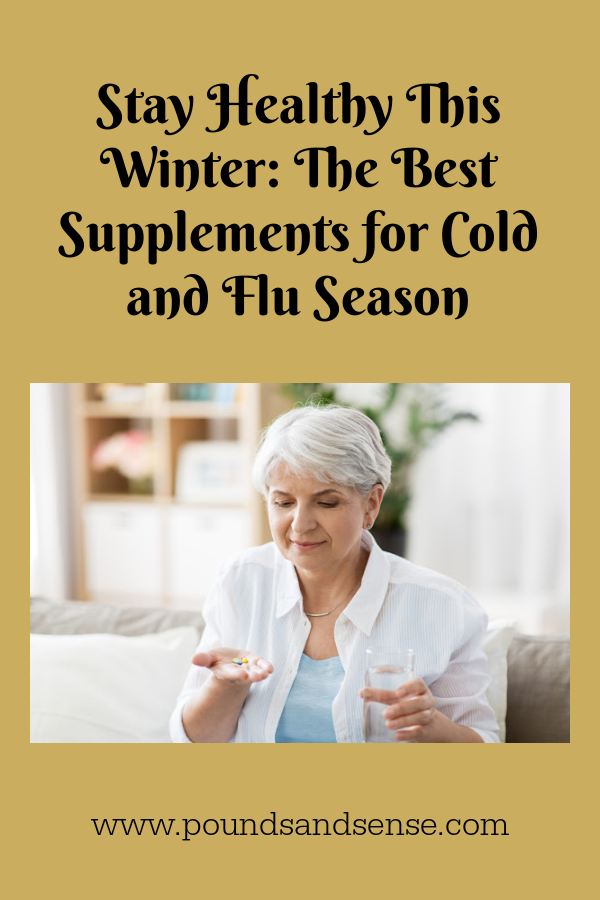
Stay healthy this winter - the best supplements for cold and flu season

Stay Healthy This Winter: The Best Supplements for Cold and Flu Season

We are currently heading into the peak season for flu and other respiratory viruses (including Covid). These infections can be a nuisance at least. And – in the case of older people especially – they can sometimes be life-threatening.

While a balanced diet, regular exercise and adequate sleep remain the cornerstones of good health, certain supplements can provide an extra layer of protection. Here’s a guide to the best supplements to support your immune system during the colder months.


1. Vitamin D

Why it’s essential: With limited sunlight during UK winters, many people experience a drop in their vitamin D levels. This nutrient plays a crucial role in immune function and helps reduce the risk of respiratory infections.

How to take it: Public Health England recommends everyone consider a daily supplement of 10 micrograms (400 IU) of vitamin D during the autumn and winter months. Higher doses may be necessary for those with deficiencies, but consult a healthcare professional first.


2. Vitamin C

Why it’s essential: Vitamin C is known for its immune-boosting properties and its ability to reduce the duration and severity of colds. It’s also a powerful antioxidant that helps protect cells from damage.

How to take it: A daily dose of 500–1,000 mg is generally safe for most people. You can also pair supplementation with dietary sources like oranges, kiwi fruit and bell peppers.


3. Zinc

Why it’s essential: Zinc is vital for immune cell function and has been shown to shorten the duration of cold symptoms when taken early. It also helps your body fight off viruses more effectively.

How to take it: Lozenges containing 10–15 mg of zinc can be taken at the onset of a cold. Long-term supplementation should not exceed 25 mg daily unless advised by a healthcare professional.


4. Probiotics

Why it’s essential: A healthy gut microbiome supports immune function, and probiotics help maintain this balance. Some strains, like Lactobacillus and Bifidobacterium, are particularly effective in reducing the risk of upper respiratory tract infections.

How to take it: Look for a high-quality probiotic supplement with at least 1 billion CFUs (colony-forming units). Yogurt and fermented foods like kimchi and sauerkraut can also be excellent natural sources.


5. Elderberry Extract

Why it’s essential: Elderberries have been traditionally used to fight colds and flu. They are rich in antioxidants and may reduce the severity and duration of symptoms.

How to take it: Elderberry syrup or capsules are common forms. Follow the recommended dosage on the product label, and avoid taking it if you have an autoimmune condition without consulting a doctor.


6. Echinacea

Why it’s essential: Echinacea is a popular herbal remedy that may help prevent and reduce the severity of colds by boosting immune activity.

How to take it: Look for standardised extracts and follow the manufacturer’s dosage guidelines. Echinacea is best taken at the first sign of illness.


7. Omega-3 Fatty Acids

Why it’s essential: Omega-3s, particularly EPA and DHA found in fish oil, have anti-inflammatory properties that support immune function and overall health.

How to take it: Aim for 250–500 mg of combined EPA and DHA daily. Vegetarian or vegan options include algae-based supplements.


8. Garlic Supplements

Why it’s essential: Garlic contains allicin, a compound with antimicrobial and immune-boosting properties. Regular garlic intake has been associated with fewer colds and flu.

How to take it: Opt for aged garlic extract supplements or incorporate fresh garlic into your diet for the best benefits.


Final Tips

  • Consult a GP or pharmacist: Always check with a healthcare professional before starting new supplements, especially if you’re pregnant, nursing or on medication.
  • Choose quality brands: Look for products that are third-party tested for purity and potency. A wide range of supplements and vitamins is available from Amazon.
  • Maintain healthy habits: Supplements work best when combined with a balanced diet, regular exercise, good hygiene and adequate sleep.

By supporting your immune system with the right supplements, you can give yourself a better chance of staying healthy this cold and flu season.

  • This is a revised update of an annual post.


If you enjoyed this post, please link to it on your own blog or social media:
How often should you really be washing your bedding? A microbiologist explains

How Often Should You Really Be Washing Your Bedding? A Microbiologist Explains

Today I have a guest post for you on a subject many of us wonder about. It’s by Primrose Freestone, Senior Lecturer in Clinical Microbiology at the University of Leicester.

The article was originally published in The Conversation and is republished here under a Creative Commons licence.


Most of us spend around a third of our lives in bed. Sleep isn’t just downtime; it’s essential for normal brain function and overall health. And while we often focus on how many hours we’re getting, the quality of our sleep environment matters too. A clean, welcoming bed with crisp sheets, soft pillowcases and fresh blankets not only feels good, it also supports better rest.

But how often should we really be washing our bed linens?

According to a 2022 YouGov poll, just 28% of Brits wash their sheets once a week. A surprising number admitted to leaving it much longer, with some stretching to eight weeks or more between washes. So what’s the science-backed guidance?

Let’s break down what’s actually happening in your bed every night – and why regular washing is more than just a question of cleanliness.


Get your news from actual experts, straight to your inbox. Sign up to our daily newsletter to receive all The Conversation UK’s latest coverage of news and research, from politics and business to the arts and sciences.


Each night, as we sleep, we shed hundreds of thousands of skin cells, excrete oils from our sebaceous glands, and sweat up to half a pint of fluid – even if we’ve showered just before bed. Our skin hosts millions of bacteria and fungi, many of which are transferred onto sheets, pillows and duvets as we move during the night.

That fresh sweat may be odourless, but bacteria on our skin, particularly staphylococci, break it down into smelly byproducts. This is often why you wake up with body odour, even if you went to bed clean.

But it’s not just about microbes. During the day, our hair and bodies collect pollutants, dust, pollen and allergens, which can also transfer to our bedding. These can trigger allergies, affect breathing, and contribute to poor air quality in the bedroom.

Dust mites, fungi and other unseen bedfellows

The flakes of skin we shed every night become food for dust mites – microscopic creatures that thrive in warm, damp bedding and mattresses. The mites themselves aren’t dangerous, but their faecal droppings are potent allergens that can aggravate eczema, asthma and allergic rhinitis.

Fungi also find your bed appealing. Some species, like aspergillus fumigatus, have been detected in used bed pillows and can cause serious lung infections, particularly in people with weakened immune systems.

If you sleep with pets, the microbial party gets even livelier. Animals introduce extra hair, dander, dirt and sometimes faecal traces into your sheets and blankets, increasing the frequency at which you should be washing them.

So, how often should you wash your bedding?

Sheets and pillowcases

  • When: Weekly, or every three to four days if you’ve been ill, sweat heavily, or share your bed with pets.
  • Why: To remove sweat, oils, microbes, allergens and dead skin cells.
  • How: Wash at 60°C or higher with detergent to kill bacteria and dust mites. For deeper sanitisation, tumble dry or iron. To target dust mites inside pillows, freeze for at least 8 hours.

Mattresses

  • When: Vacuum at least weekly and air the mattress every few days.
  • Why: Sweat increases moisture levels, creating a breeding ground for mites.
  • Tips: Use a plastic or allergen-proof mattress protector and replace the mattress every seven years to maintain hygiene and support.

Pillow interiors

Blankets and duvet covers

  • When: Every two weeks, or more often if pets sleep on them.
  • Why: They trap skin cells, sweat and allergens.
  • How: Wash at 60°C or as high as the care label allows. Some guidance recommends treating these like towels: regular and hot washes keep them hygienic.

Duvets

  • When: Every three to four months, depending on usage and whether pets or children share your bed.
  • Why: Even with a cover, body oils and mites eventually seep into the filling.
  • How: Check the label: many duvets are machine-washable, others may require professional cleaning.

Your bed may look clean – but it’s teeming with microbes, allergens, mites and irritants that build up fast. Washing your bedding isn’t just about keeping things fresh; it’s a matter of health.

Regular laundering removes the biological soup of sweat, skin, dust and microbes, which helps to reduce allergic reactions, prevent infections and keep odours at bay. And as research continues to show the profound effect of sleep on everything from heart health to mental clarity, a hygienic sleep environment is a small but powerful investment in your wellbeing.

So go ahead – strip the bed. Wash those sheets. Freeze your pillows. Your microbes (and your sinuses) will thank you.

Sweet dreams – and happy laundering.The Conversation

Primrose Freestone, Senior Lecturer in Clinical Microbiology, University of Leicester

This article is republished from The Conversation under a Creative Commons license. Read the original article.

As always, if you have any comments about this article, please do post them below.


If you enjoyed this post, please link to it on your own blog or social media:
Is Private Health Insurance Worthwhile for Over-50s?

Is Private Health Insurance Worthwhile for Over-50s?

As we get older, our health needs inevitably become more complex – and that’s when many of us (me included) start to wonder: Is private health insurance worthwhile?

In the UK, we’re fortunate to have the NHS, which offers free healthcare at the point of delivery to everyone. But with increasing waiting times and growing pressure on NHS services – not to mention strikes and other disruptions – growing numbers of older people are wondering whether it’s time to consider going private.

Let’s take a look at the pros and cons, and key questions to help you decide whether private medical insurance (PMI) makes financial sense for you.

✅ Why Consider Private Health Insurance?

1. Shorter Waiting Times

Waiting for an operation or diagnostic scan can be stressful—especially when you’re in pain or worried. One of the biggest attractions of private health insurance is the ability to skip long NHS queues for consultations, scans and treatments.

2. Access to Private Hospitals and Specialists

Private cover often gives you access to a broader network of consultants and hospitals. This can be particularly useful if you want to see a specific specialist or prefer the amenities of a private facility.

3. More Comfortable Experience

Private rooms, flexible appointment times, and continuity of care are common benefits of going private. If you value comfort and control in how you’re treated, insurance can help deliver that.

4. Extra Services

Many policies include extras like physiotherapy, mental health support, or complementary therapies—services that can be hard to access promptly (or at all) on the NHS.

⚠️ Things to Think About Before You Buy

💷 It Can Be Expensive

There’s no getting around it—health insurance becomes more expensive as you get older. If you’re in your 60s or 70s, you could be looking at £100 to £250+ per month, depending on your cover level and health history.

If you’re living on a pension or fixed income, it’s important to weigh up whether the cost is sustainable long term.

⚕️ Pre-existing Conditions May Not Be Covered

If you’ve had health issues in the past—as many of us over 50 have—be aware that these may be excluded from cover, at least initially. Some insurers offer “moratorium” or “full medical underwriting” policies, so be sure to understand the terms.

📜 Not All Treatments Are Included

Private insurance usually doesn’t cover emergency care, chronic disease management (like diabetes or heart failure), or maternity services. These are still handled by the NHS—so PMI should be seen as a complement, not a replacement.

🏥 You’ll Still Use the NHS

Even with private insurance, many people continue to rely on the NHS for things like A&E, cancer care, and follow-up treatment. The NHS remains an essential part of your healthcare safety net.

💡 Who Might Benefit Most?

Private medical insurance may be worth considering if:

  • You value fast access to treatment or want more choice in who treats you.

  • You have the financial means to comfortably afford the monthly premiums.

  • You have health concerns that may require ongoing monitoring or elective procedures.

  • You want the peace of mind that comes with having private options available if needed.

🏥 Comparing Health Insurance Providers

If you’re over 50 and considering private health insurance, choosing the right provider can feel overwhelming. Below is a comparison of five well-known UK insurers, focusing on how they stack up for older adults.

Provider Pros Cons
Bupa – Trusted name with a wide hospital network
– 24/7 GP appointments via phone or video
– Tailored cover options, including cover for mental health and physiotherapy
– One of the more expensive providers
– Some policies have strict limits on outpatient care
AXA Health – Offers a 24/7 health helpline with nurses
– Includes mental health cover and diagnostics
– Often good for families and couples too
– Can be costly if you add multiple optional extras
– Some treatments may require pre-authorisation
Vitality Health – Rewards scheme offers discounts on fitness, gym, travel and health-related spending
– Offers some cover for pre-existing conditions after a waiting period
– Complex rewards system can be hard to understand
– Requires engagement (like activity tracking) to get maximum benefit
Aviva – Competitive pricing, especially for older adults
– Strong focus on modular plans—pay for what you need
– Digital tools and fast claims process
– Fewer perks and extras compared to some rivals
– Limited cover for some complementary therapies
Saga (underwritten by Bupa) – Specifically designed for over-50s
– No upper age limit on new policies
– Includes access to private GPs and specialists
– Can be pricey, especially for comprehensive cover
– May still require medical screening depending on age and conditions

Health Insurance Cost Estimator

As a rough guide, here is an online tool that will give you a ballpark estimate for how much health insurance might cost you, based on your age and type of cover required. It assumes you are a non-smoker with no chronic health conditions.

🧮 Private Health Insurance Cost Estimator


Note that this tool gives an approximate cost only. Prices vary by insurer, health status, where you live in the UK, and exact policy terms (including the excess you’re willing to pay). Always get a personalized quote before purchasing cover.

👥 What Should Over-50s Look For in a Policy?

When comparing policies, keep these key factors in mind:

  • Outpatient limits – Do you get full cover for scans and consultations?

  • Excess options – Choosing a higher excess can lower your premium.

  • Cover for pre-existing conditions – Look closely at what’s included and excluded.

  • Hospital list – Make sure your preferred hospitals or clinics are included.

  • Added-value benefits – Think virtual GP access, helplines and therapy sessions.

💡 Extra Tip

Most insurers offer a cooling-off period (usually 14 days) after purchase, so you can change your mind. It’s also worth calling insurers directly to ask about over-50s discounts, flexible policies, or joint plans with your partner.

Private medical insurance is a personal investment—and choosing the right provider can make a big difference in both your care and your costs.

💷 What About Health Cash Plans?

If the cost of full private health insurance feels out of reach, health cash plans could be a more affordable alternative—especially for those in their 50s, 60s and beyond who want help covering everyday healthcare costs.

🩺 What Is a Health Cash Plan?

A health cash plan is not the same as private medical insurance. Instead of paying for private operations or hospital stays, cash plans reimburse you for routine healthcare expenses such as:

  • Dental check-ups and treatment

  • Eye tests and glasses

  • Physiotherapy and chiropractic care

  • Prescription costs

  • GP consultations and health screenings

You usually pay a fixed monthly fee—typically between £10 and £30 depending on your level of cover—and can claim back part or all of the cost of certain treatments or services.

🏥 Popular Health Cash Plan Providers

Provider Typical Monthly Cost Key Features
Benenden Health £11.90 (flat rate) – No age limit or exclusions for pre-existing conditions
– Offers access to private GP, mental health support, and diagnostics
– Not-for-profit mutual organisation
Medicash From £7.50 – Cash back on dental, optical, and therapy treatments
– Family cover available
– App with virtual GP and health tools
Health Shield From £10 – Offers wellbeing support, counselling, and claim-back options for everyday healthcare
– No medical underwriting
Simplyhealth From £10 – Long-standing provider with a range of plan levels
– Can cover optical, dental, chiropody, physiotherapy, etc.
– Optional extras for higher-level plans

👍 Pros of Health Cash Plans

  • Much more affordable than private medical insurance

  • ✅ Ideal for managing common or routine health costs

  • ✅ Often no medical screening required

  • ✅ Useful for retirees managing a fixed income

  • ✅ Can offer peace of mind for dental, optical and therapies

⚠️ Things to Keep in Mind

  • ❌ Cash plans won’t cover private operations or major surgery

  • ❌ Most plans have maximum claim limits per benefit each year

  • ❌ You usually have to pay upfront and claim back later

✅ Is a Health Cash Plan Right for You?

For many over-50s, particularly those without serious ongoing health issues, a health cash plan offers a practical and low-cost way to stay on top of everyday health needs.

If you’re happy using the NHS for major treatments but want support with dentist bills, eye care, and physiotherapy, this could be a smart middle-ground—especially when budgets are tight.

🧮 Closing Thoughts: Is PMI Worth the Money?

There’s no one-size-fits-all answer. Private medical insurance can offer convenience, faster access and a better experience—but it comes at a cost.

Ask yourself:

  • Can I afford this now and in 10 years’ time?

  • What do I want most from my healthcare—speed, choice, comfort?

  • Would I get peace of mind knowing I can go private if I need to?

For some, especially those with complex health needs or busy lifestyles, private insurance can be a good investment in their well-being. For others, the NHS may still offer all the care they need—at no additional cost.

  • You also have the option to self-fund one-off private treatments instead of paying monthly insurance premiums. You might also use the NHS for most care, but go private for specific issues—like orthopaedics or diagnostics—where waiting lists are longest.

If you’re considering private health insurance, it’s well worth using a comparison service like ActiveQuote, GoCompare, or Compare the Market to explore your options. You may also want to speak to an independent financial adviser to help decide if it’s the right move for your health and your wallet.

If you have any comments or questions about this article, as always, feel free to post them below. I’d also be interested to hear about your own experiences with health insurance and health cash plans, and whether you recommend them or not.


If you enjoyed this post, please link to it on your own blog or social media:
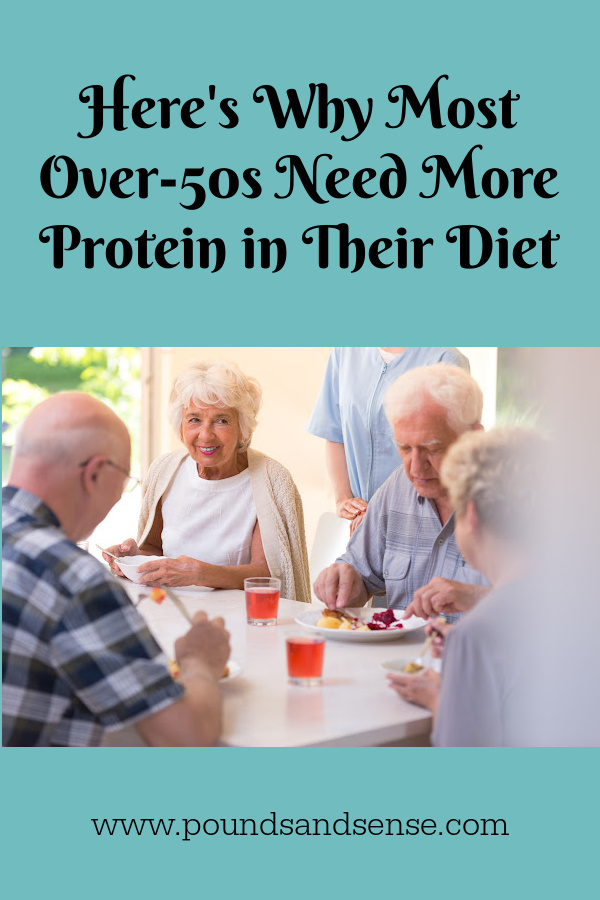
Here's why most over-50s need more protein in their diet

Here’s Why Most Over-50s Need More Protein in Their Diet

Today I’m discussing a subject relevant to many readers of this blog (which is of course aimed especially at people over 50).

As we age, our bodies undergo various changes that can affect our overall health and well-being. For those aged 50 and above, maintaining a balanced diet becomes increasingly important – and one nutrient that often requires special attention is protein. One recent study in South Yorkshire found that over 50% of older people weren’t eating enough protein to stay healthy.

Here’s why boosting protein intake can be crucial for those of us in our golden years.

The Role of Protein in the Body

Protein is a fundamental building block for the human body. It’s essential for repairing tissues, supporting immune function, and producing enzymes and hormones. Additionally, protein plays a key role in maintaining muscle mass, which naturally reduces with age.

Why Protein Needs Increase After 50

  1. Muscle Mass Decline: From around the age of 30, individuals begin to lose muscle mass at a rate of approximately 3-8% per decade. This rate accelerates after 60. Without adequate protein and physical activity, this loss can lead to sarcopenia, a condition characterized by severe muscle loss that impacts mobility and quality of life. Women are especially susceptible to this due to hormone changes that take place in the menopause.
  2. Bone Health: Protein is vital for maintaining strong bones. With age, the risk of osteoporosis increases, especially among postmenopausal women. Adequate protein intake, combined with calcium and vitamin D, can help reduce this risk.
  3. Reduced Appetite and Nutrient Absorption: Many over-50s experience a decrease in appetite or changes in digestion that affect how nutrients are absorbed. Ensuring sufficient protein in the diet can help counteract these challenges by providing concentrated nutrition.
  4. Immune Support: As the immune system weakens with age, protein becomes essential for producing immune cells and antibodies to fend off illnesses.

How Much Protein Do You Need?

The recommended dietary allowance (RDA) for protein is 0.8 grams per kilogram of body weight per day for adults. However, research suggests that older adults may benefit from higher intakes, around 1.0 to 1.2 grams per kilogram of body weight daily, to maintain muscle and support overall health. For example, an 80 kg individual should aim for 80-96 grams of protein per day.

Sources of Protein for Over-50s

To meet these protein needs, focus on a mix of high-quality protein sources, such as:

  • Animal Proteins: Lean meats, poultry, fish, eggs, and dairy products.
  • Plant Proteins: Beans, lentils, tofu, tempeh, nuts, seeds, and whole grains.
  • Protein Supplements: If meeting protein requirements through food alone is challenging, consider protein powders or fortified products, but consult a healthcare professional first.

Tips for Incorporating More Protein

  1. Start Your Day Right: Include protein in your breakfast with options like eggs, Greek yogurt, or a protein smoothie.
  2. Snack with a Punch: Opt for protein-rich snacks like a handful of nuts or a boiled egg.
  3. Spread It Out: Distribute your protein intake evenly across meals, to enhance muscle protein synthesis.
  4. Combine Strength Training: Pair a higher protein intake with resistance exercises to maximize muscle maintenance and growth.

Can You Have Too Much Protein?

While protein is essential, consuming excessive amounts can have drawbacks. Overloading on protein, especially from animal sources, may strain the kidneys, particularly in individuals with pre-existing kidney conditions. It can also lead to imbalanced diets if other essential nutrients are neglected.

Moderation and a focus on diverse protein sources are key to maintaining optimal health. As a rough guide, most people should aim for a maximum of 2 grams of protein per kilogram of body weight per day [source]..

The Bottom Line

For those over 50, boosting protein intake is a simple yet powerful way to support muscle health, maintain bone density, and enhance overall vitality.

By making small dietary adjustments and choosing nutrient-dense foods, you can pave the way for a healthier and more active life in your later years. If you’re unsure about how much protein you need, consult with a registered dietitian or healthcare provider to tailor a plan to your needs.

As always, if you have any comments or questions about this post, please do leave them below.

Note: This article was researched and written with the assistance of AI.


If you enjoyed this post, please link to it on your own blog or social media:
Review of the Simba Hybrid Mattress Cover

My Review of the Simba Hybrid Mattress Topper

I was recently offered the chance to review the Simba Hybrid Mattress Topper (see cover photo). This is a premium mattress topper from the well-known Simba sleep brand.

I must admit, incidentally, I hadn’t realised the variety of sleep products Simba offer. I knew about their mattresses, of course, but wasn’t aware they also sell quilts, pillows, mattress toppers, and so on.

I currently sleep on a Slumberland king-sized mattress which – despite being barely three years old – is starting to sag. My sleep quality had deteriorated and I was waking up with an aching back and hips. Not good at all 🙁 So when I got the opportunity to test out Simba’s hybrid mattress topper, naturally I leapt at it.

I have tried mattress toppers before, and in fact got a cheap one from Amazon prior to receiving the Simba product. It helped a little but clearly wasn’t going to be the solution for me.

The Simba hybrid mattress topper takes sleep comfort to a whole new level. For starters, it’s deeper and heavier than my previous mattress topper. It came rolled up in a (very) large cardboard box. I wrestled it upstairs and opened it without any help (nobody else being around at the time) but ideally I’d say this is a two-person job.

The mattress topper comes tightly wrapped in a clear plastic bag. Once I removed it from this, it lay flat on the bed without curling. Unlike some sleep products I have ordered in the past, you don’t have to wait for it to expand to its full depth.

From the first night onward I was hugely impressed with the Simba hybrid mattress topper. It is no exaggeration to say that it felt as though I was sleeping on a brand new mattress. It is smooth, cool and comfortable to lie on and (for me anyway) offers just the right medium-to-firm level of support. I am sleeping deeper and longer before waking, and the aches and pains in my back and hips are a thing of the past.

I thought it might be useful to reproduce here the diagram from the Simba web page showing how their hybrid mattress topper is constructed and the different layers it contains…

Simb

As you can see, the Simba hybrid mattress topper includes a number of different layers (hence the ‘hybrid’ in the name, I assume). You can read more about this on the Simba web page, but briefly at the top there is a soft, breathable sleep surface, with a foam comfort layer under that. In the middle is a spring support layer (just like in a mattress), with a high-density foam base below that. This is very different from most cheap mattress toppers, which are basically just quilts with a cotton/polyester filling.

Obviously because of its layered structure, you can’t turn the Simba hybrid mattress topper over. You can rotate it from end to end though, and it’s probably a good idea to do so occasionally to even out wear. No instructions are provided about this, however, so that’s purely a suggestion, based on my previous experience with mattresses.

Are there any drawbacks to the Simba hybrid mattress topper? Well, I did notice a slight ‘chemical’ smell which took a few days to disperse. It didn’t bother me, but ideally you might want to let your new mattress topper air for a day or two before starting to use it. I’m afraid I was too impatient to wait, though!

In addition, as this mattress topper contains springs, I wouldn’t recommend trying to wash it (it wouldn’t fit in a standard washing machine anyway!). It does though come with a removable, washable cover. Essentially, you need to treat this product as if it was a mini-mattress in its own right. That isn’t really a drawback to the Simba hybrid mattress topper, just a feature of it.

Overall, I am happy to give the Simba hybrid mattress topper my highest personal recommendation. If – like me – you have an old mattress that is starting to sag, it should prolong its useful life. Also, if you have a mattress that is too hard, it should make it softer and more comfortable for you. It’s not cheap (at the time of writing £219 for the single version or £329 for the king-size I received) – but, as so often in life, you get what you pay for. Easy payment by interest-free instalments (up to 12 months) is also available subject to status.

I should add as well that delivery is free and fast: next working day if you order before 2 pm or two working days if you order after 2 pm. There is also a range of options for buying a Simba double topper.

Many thanks again to my friends at Simba for allowing me to try out their hybrid mattress topper. If you have any comments or questions about this post, as ever, please do post them below as usual.

Disclosure: This is a sponsored post (gifted product).

If you enjoyed this post, please link to it on your own blog or social media:
What is U3A and Is It For You?

What Is U3A And Is It For You?

Updated 23 June 2024

As regular PAS readers will know, I recently joined U3A, a non-profit organization offering a range of leisure activities for retired and semi-retired people. I thought I would set out my experiences and impressions here for anyone who may be interested in joining U3A themselves, either now or in the future.

But first, here’s a bit more info about the organization itself…

What Is U3A?

The University of the Third Age (U3A for short) is an international organization providing educational and social opportunities for retired and semi-retired people, typically aged 50 and above.

The primary goal of U3A is to encourage lifelong learning, personal development, and social engagement among older adults. Unlike traditional universities, U3A doesn’t offer formal degrees or certifications. Instead, it focuses on informal, peer-led learning and skill-sharing.

U3A groups offer a wide range of classes, workshops and activities, covering subjects such as arts, literature, history, science, technology, languages, fitness, and more. These activities are typically organized and led by the members themselves, with individuals who have expertise or interest in a particular field volunteering to share their knowledge with others.

U3A promotes active ageing, mental stimulation and social interaction. It aims to help older people stay engaged, connected, and mentally sharp. It also seeks to foster a sense of community, where members can continue to learn, explore new interests, and make new friends in a supportive and non-competitive environment.

My U3A Experience

I joined the U3A in Lichfield, Staffordshire, early in 2023. I am 67 and (as you may know) semi-retired. I live on my own nowadays and am conscious of the need to stay mentally and physically active as I get older and build new connections and friendships, in real life as well as online 🙂

I am actually now a member of two local U3As. I joined Lichfield originally, but then discovered there was another, smaller U3A in the town where I live (Lichfield is about four miles from me). It’s no problem belonging to two or more U3As and I am by no means alone in this. People generally join one local group first, then sign up to another as an associate at a lower cost. More about this later.

Lichfield U3A – like most others – has a monthly general meeting where there is usually a guest speaker. Every U3A also has a wide range of smaller groups devoted to interests from music appreciation to rambling. These typically meet monthly or fortnightly.

The first general meeting I went to was on the subject of Schooldays Remembered. It was an icy cold day and I was impressed by the number of people who turned up at the meeting hall. I would say the average age was about 70, with women outnumbering men by about two to one. The female presenter was very professional and showed us a series of slides depicting (primary) school days in the mid-20th century. Up to a point I enjoyed it, but I had some reservations, e.g. when the speaker encouraged us all to join in a chorus of ‘All Things Bright and Beautiful’. Considering that many U3A members are from professional backgrounds, including teachers, lawyers and medics, I did find the overall tone a bit patronizing. The speaker revealed that she also ran sessions in care homes and I couldn’t help feeling I was getting a preview of what may be in store for me in the future 😮

Afterwards we went for tea and biscuits. I got chatting with another new member, who I found shared my reservations. He told me he didn’t much enjoy his schooldays and didn’t especially want to remember them! As for me, I have only fragmentary recollections of primary school days. I remember my secondary school days a lot better – not with any great affection, but they weren’t awful either. Personally I would have preferred a more grown-up presentation about education and how it has changed over the decades. I don’t want to be too critical, though. Most people there seemed to enjoy the session, and it did have its entertaining aspects.

I have since been to a couple of other meetings which I enjoyed more. There was a particularly interesting one about the history of travel firm Thomas Cook & Sons. The speaker gave a very informative talk, including slides showing ads for early trips and excursions organized by the company (these were also available to browse afterwards).

  • As a side thought, there appears to be a circle of professional guest speakers who offer talks to groups on a wide range of subjects, for which they are paid a fee. Not a bad sideline to supplement your pension, I’d have thought! My friend Sally Jenkins – who does this herself – wrote an interesting guest post for PAS about making money from public speaking.

Beside the monthly meetings, I have also taken part in a quiz which was good fun (my team won – no particular thanks to me – so I took a bottle of wine home). I have also joined several interest groups. These include one for short walks (around 3-4 miles, quite sufficient for me). This has been good for getting some fresh air and exercise and meeting and chatting to other U3A members. The walks are all fairly local. One unexpected benefit has been discovering some beautiful locations I was unaware of, despite living in the area for over 20 years.

I also joined a play-reading group. This meets once a month in a local theatre, with members each taking a part to read. Currently we are reading Lord Arthur Savile’s Crime by Oscar Wilde (the stage adaptation). I was quite active in amateur theatre in my 20s and 30s, so it has been good fun getting back into this again.

I also joined a science and technology group. I’ve only been to one meeting so far, but this was a very interesting session about global weather patterns.

What Else Is On Offer?

Obviously I have only scratched the surface personally. There are dozens of other interest groups available. I have listed a selection below.

  • art appreciation
  • birdwatching
  • croquet
  • history
  • philosophy
  • photography
  • music appreciation
  • guitar playing
  • Mah-jongg
  • needlecraft
  • psychology
  • gardening
  • architecture

There are also quite a few reading groups. This is a very popular activity, so multiple groups are needed to keep the numbers at a meeting manageable. I haven’t joined one only because I am already a member of a local book club (nothing to do with U3A).

In addition, there are various one-off activities. I’ve already mentioned quizzes. Visits to local places of interest are also popular, as are concert and theatre trips.

Financials

As Pounds and Sense is a money blog, I should say a word about this.

I was actually surprised how inexpensive U3A is. I paid an annual membership fee of just £12 to Lichfield U3A. I also paid £6 to my nearest local U3A to join as an associate member. This gives me access to all groups and activities in both U3As.

Some interest groups do also impose a small charge at meetings. This is no more than a pound or two and covers room hire and/or tea and biscuits. One thing you may find as a U3A member is that you need to carry around a little more small change!

I should also mention that as a U3A member you will receive (at no extra cost) a print magazine titled Third Age Matters. This is published five times a year and contains a range of informative articles about U3A and issues affecting older people generally.

Thoughts And Impressions

It is obviously early days as far as my personal journey with U3A is concerned. But I have been impressed with the range of events and activities on offer. I should maybe add that most take place during the daytime rather than the evening, so you do need to have some time free in the day to benefit from your membership.

U3A is very much run by members, for members. Of course, that is how they keep the costs so low. It does mean that if you find U3A is for you, there is some expectation that you will get involved in helping to organise and run events as well, even if only preparing the tea and biscuits!

As with so much in life, the more you put in to U3A, the more you are likely to get out of it 🙂

If you want to find out more about U3A groups in your area, my recommendation is to search online for U3A plus the name of your nearest town or city. Most local U3As have a website using a standard template and hosting service provided by the national organisation. Here is a link to the site for my local Lichfield U3A, for example. As you will see, the website isn’t exactly cutting edge, but it does the job well enough. Groups often have open days which can be a great way to find out the range of activities on offer. In addition they typically have monthly general meetings, which again can be a good opportunity to learn more and sign up. Failing that, you can always contact the membership secretary of your local U3A group via the website.

I do think it’s a shame there aren’t more opportunities for U3A members to interact online as well as in real life. Ideally it would be nice if there was a members’ message-board, or at least a Facebook page, where members could chat, ask questions, share photos, and so on. But having run an online forum for writers for a number of years, I am under no illusions about how much work this can entail.

On the plus side, there are also some national and regional U3A events, including summer schools. You can find out about these through your local U3A and Third Age Matters.

I hope you have found this article interesting and it has given you some insights into U3A and what it has to offer. As always, if you have any comments or questions, please do leave them below.

If you enjoyed this post, please link to it on your own blog or social media:
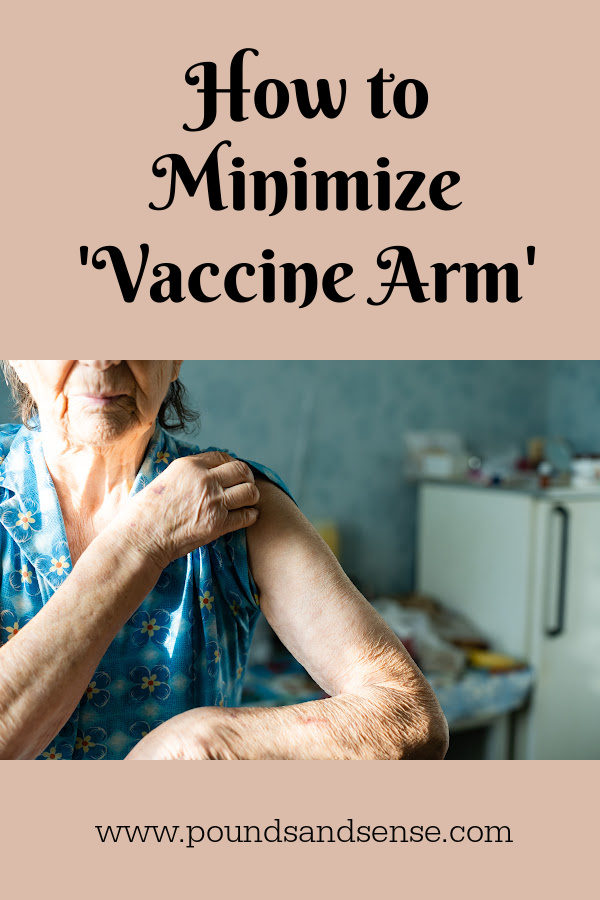
How to Minimize Vaccine Arm

How to Minimize ‘Vaccine Arm’

This year I have had five vaccines in total. Three of them were for Covid-19, including my booster jab earlier this month. The other two were a flu jab and a pneumonia jab ( the latter is offered by the NHS to everyone reaching the age of 65 in Britain).

You will gather from the above that I am not an anti-vaxxer (though as my Twitter followers will know, I do have reservations about the effectiveness of lockdowns, vaccine passports and mask mandates in combatting the spread of Covid-19).

But while I accept the need for vaccines for older people especially, I know some do get side-effects from them. The most common is an aching arm. This can be very painful and make activities such as driving difficult, though thankfully for most it usually lasts no more than a day or two.

My personal experience with vaccines this year is that I got the worst side-effects from the flu jab, including waking up in the night shivering and feeling sick. With my two Oxford-AstraZeneca jabs I had almost no side-effects, and the same applies to the pneumonia vaccine. With my booster jab, however – which was Pfizer – my arm started aching quite badly and I got a stiff shoulder as well.

In my vaccine journey this year I have found a couple of things that have really helped me minimize side-effects, so I thought I would share them today.

1. Prophylactic Paracetamol

Taking paracetamol is widely recommended if you get an aching arm and/or other side effects from the vaccines. I now take a couple at bedtime on the day I have had the jab, even if at that point I have no side-effects. I continue this the next day, taking them at four-hourly intervals (you shouldn’t take them any more frequently than that) until I am confident that I won’t be getting any side-effects or they have largely subsided.

  • One thing you shouldn’t do is take paracetamol before having the jab as it is possible this may reduce its efficacy. Not much research appears to have been done about this, but to be on the safe side it’s best avoided.

2. Gentle Arm Exercises

I tried this with my recent Pfizer jab, and was genuinely amazed by how effective it proved in easing stiffness and pain in my arm and shoulder. Friends I have recommended  this to have been impressed by how effective it proved for them as well.

The exercises I use can be found on the aptly-named Sheltering Arms website. There are five in all, with short videos to illustrate them. They are simple, easy exercises and you don’t have to do them all if you don’t want to. As I had a stiff shoulder, I also threw in some shoulder rotations (basically rotating the shoulders upwards and backwards, then down and forward again, as was recommended to me a few years ago by a physio). I found this very effective as well.

I kept doing the exercises for a few minutes throughout the day and noticed an improvement within hours. By the end of the day, my arm and shoulder were pretty much back to normal.

Obviously I am no medic, but I understand that gently exercising the vaccinated arm helps disperse the vaccine throughout your body and reduces local muscle soreness. That being the case, it would appear a good idea to start doing these exercises even before any pain or stiffness occurs, again as a prophylactic measure. At my next jab, I intend to start soon after leaving the vaccination centre!

I would also recommend that you don’t do what I have done in the past, which is spend hours hunched over a keyboard after having your jab in case you can’t do this later. That could well reduce the opportunity for the vaccine to disperse and may add to any stiffness you experience later. Get your keyboarding out of the way before you go for your jab!

I hope you find these ideas helpful and they work as well for you as they have for me. Please feel free to leave any comments or questions below as usual. I’d also be interested to hear about your own experiences with ‘vaccine arm’ and any other methods you have found helpful for addressing the problem.

  • Please bear in mind that I don’t have any medical training and can’t give personalized advice, only share what has worked for me. Obviously if you get more serious side-effects from the vaccine, you should contact a medical professional as soon as possible. This NHS website page has more information.
If you enjoyed this post, please link to it on your own blog or social media:
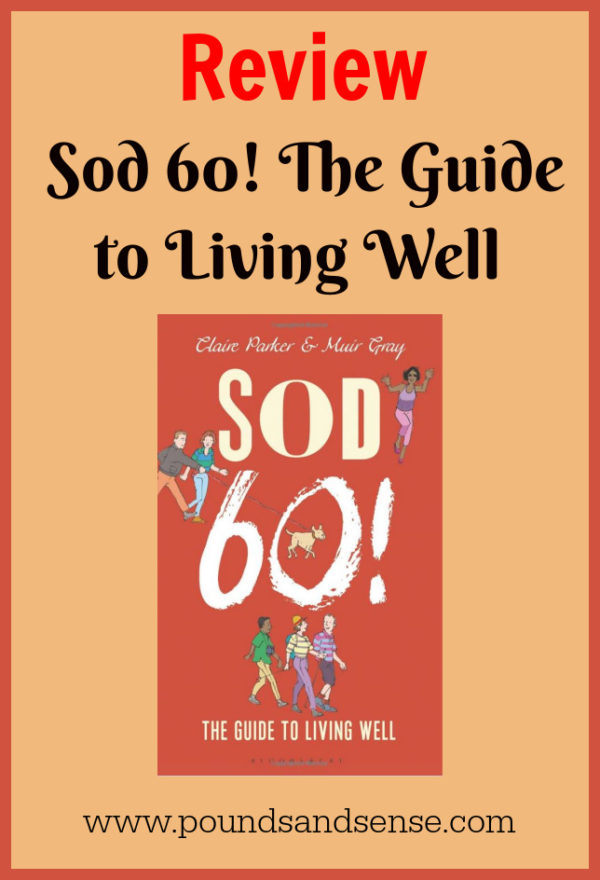
Sod 60! Review

Review: Sod 60! The Guide to Living Well

As I just hit 65, I thought now would be the perfect time to take a look at Sod 60! The Guide to Living Well.

As you may know, this is a best-selling book by Claire Parker and Sir Muir Gray, published by Bloomsbury. I bought a hardback copy from Amazon. A slightly cheaper ebook version for Kindle is also available.

  • Sir Muir Gray is also the author of Sod 70!, a similar healthy living guide aimed at the over-70s.

Review

Sod 60! is 232 pages long. The text – which is very readable – is broken up by lots of sub-headings, diagrams and cartoon-style illustrations (by David Mostyn). There are nine main chapters, each covering an aspect of how to live well in your sixties. The chapter titles are as follows:

  1. Getting Older Doesn’t Matter – Getting Active and Getting Attitude Does
  2. Keeping Active is Fitness Friendly
  3. Your Attitude and Its Soulmates: Mind and Mood
  4. Keeping Your Metabolism Healthy
  5. Take Care of Your…Bits
  6. Rhythm and Blues
  7. Stuff Happens
  8. Decisions, Decisions
  9. Health Care: Choosing and Using It Wisely

Some of those chapter titles are self-explanatory, others less so. For example, Chapter 5 ‘Take Care of Your…Bits’ isn’t about what you might think. It actually covers looking after different parts of your body, from your brain to your feet. Sexual health is then covered in Chapter 6, ‘Rhythm and Blues’. Those both seem pretty odd choices of chapter title to me, but I suppose the aim was to help give the book a ‘quirky’ personality.

That small criticism aside, the style of the book is friendly and relatable. It’s also down to earth and practical, and I like the way that the text is interspersed with exercises, resolutions, and so on. It is very much a hands-on, practical guide.

Sod 60! concerns the importance of looking after your body and mind as you grow older. The authors stress the need to stay as active as you can, both physically and mentally.

Chapter 2 includes a range of physical exercises to try, and also sets out some general principles for exercising healthily as you get older. I thought this was one of the most useful chapters in the book.

Chapter 3, which focuses on attitude, mind and mood, is also very good. It looks at the importance of keeping a positive attitude, and staying connected with friends and family, your neighbours, local community, and so on. It also discusses maintaining a good relationship with your partner (assuming you have one). Getting enough sleep and dealing with stress are covered as well, though not in great detail.

Chapter 4 ‘Keeping your Metabolism Healthy’ focuses on diet and weight. The authors advocate following a balanced and varied Mediterranean-style diet, with plenty of fresh fruit and vegetables. That seems eminently sensible to me. I wouldn’t say there was much in this chapter I hadn’t heard before, and some of the advice such as avoiding sugary drinks struck me as stating the obvious. But this is of course very important to long-term health, so I guess it had to be said.

Chapter 5, as I’ve already mentioned, focuses on different organs/parts of the body. It discusses how to keep each one healthy, and warning signs to look out for as you get older. It also covers age-related changes and what you may be able to do to help prevent problems. Having a good diet, staying active, giving up smoking and reducing alcohol intake all crop up quite frequently. Again, there were no huge surprises for me here.

Chapter 6 is about sexual health and related matters such as bladder and (for men) prostate problems. On the sexual side, the advice could be broadly summed up in five words: Use it or lose it! The advice on matters such as urinary incontinence is – to be honest – a bit depressing, but nonetheless important to be aware of.

Chapter 7 ‘Stuff Happens’ is also a bit depressing, though again it covers some important topics. These include how to deal with the problems later life can throw at you, including depression, isolation, bereavement, serious illness, and so on. There is some excellent advice here, especially on the importance of cultivating and maintaining a support network of friends, relatives, health professionals, and so on.

Finally, Chapters 8 and 9 are both about healthcare and could easily have been combined in my opinion. They look at such matters as how to navigate healthcare decisions, self-care to prevent (or at least mitigate) serious health problems, drugs and vaccinations, and so forth.

In Conclusion

Overall I thought Sod 60! was a useful guide for sixty-somethings though maybe not an earth-shattering one. The book covers a range of issues that anyone in their sixties will need to think about and prepare for. It was first published in 2016, so there is no reference to the Coronavirus pandemic. The advice in the book still applies and in some ways is even more cogent now. With the UK still in lockdown at the time of writing, for example, we all need our support networks more than ever at the moment…

Sod 60! is really a ‘mind and body’ book. It doesn’t cover financial issues such as pensions and benefits (and indeed doesn’t claim to). And it doesn’t have much to say about the challenges and opportunities retirement can bring, or the pros and cons of carrying on working. For advice on these and similar matters, something like the annual Good Retirement Guide (which I hope to review soon) would be good. And keep on reading Pounds and Sense, of course!

If you want a readable and entertaining guide to making the most of your sixties and preserving your physical and mental health, though, Sod 60! would certainly fit the bill. It would also make a great (and relatively inexpensive) birthday or Christmas gift for anyone in this age category.

As ever, if you have any comments or questions about this post, please do leave them below.

Disclosure: As with many posts on Pounds and Sense, this post includes affiliate links. If you click through and make a purchase, I may receive a modest commission for introducing you. This will not affect in any way the price you pay or the product or service you receive.

If you enjoyed this post, please link to it on your own blog or social media: