Why Growing Numbers of Over-50s are Buying Park Homes
Today I’m looking at a growing trend among older people: the switch to park home living.
I am grateful for their assistance with this article to my colleagues at Compass Insurance – leading specialist providers of park home insurance.
What Is Park Home Living?
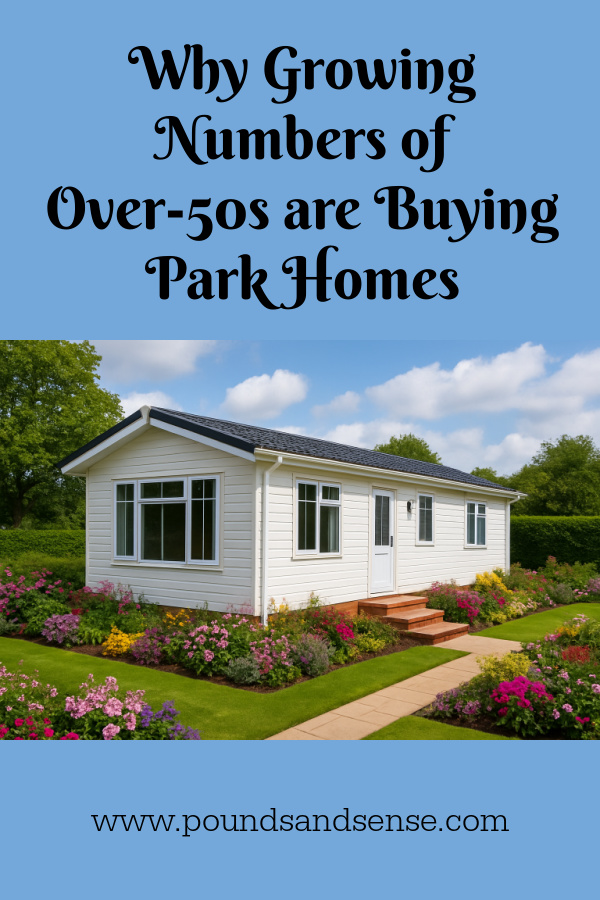
As the UK faces a growing shortage of accessible single-storey homes, increasing numbers of older people are looking beyond the traditional bungalow. One option gaining real momentum is park home living – a form of permanent, single-storey housing that offers both affordability and a strong sense of community.
But before looking at the attractions, it’s important to clear up a common cause of confusion: park homes are not the same as holiday homes.
Park Homes vs Holiday Parks
Here’s the difference. A park home is a purpose-built, single-storey dwelling designed for full-time, permanent residence. These homes sit on dedicated residential park home sites where year-round living is both allowed and expected. Buyers are purchasing a home intended to be their main address, with all the legal protections that go with that status.
A holiday park, on the other hand, is designed for short-term and seasonal use only. Many holiday parks prohibit full-time occupancy, and even where longer stays are permitted, owners are required to maintain a separate primary residence elsewhere. Holiday lodges and static caravans in these settings are not considered main homes and are insured (and taxed) accordingly.
For older buyers considering a lifestyle shift, this distinction is crucial. Anyone looking for a permanent home must ensure the site is a residential park, not a holiday park with strict occupancy restrictions.
Why Park Homes Are Becoming So Popular
The appeal of park home living has surged in recent years, especially among downsizers, retirees and those seeking more manageable, accessible homes. Several factors are driving this trend:
1. A Severe Shortage of Bungalows
Britain has just 2.7 million bungalows, representing only around 9% of UK housing stock, and new bungalow construction has slowed to a trickle. With average bungalow prices now around £335,000–£340,000 [source], many buyers find themselves priced out of the market.
Park homes, by contrast, cost an average of £144,748 in 2025 – less than half the price of a bungalow.
2. Accessibility Without the Premium Price Tag
For many people over 55, single-storey living is not just desirable but essential. Park homes provide the same ground-floor convenience but at a far more affordable price.
3. Strong Community Spirit
Residential parks tend to have close-knit neighbourhoods, making them especially appealing for people seeking companionship, security and a supportive environment.
4. Low-Maintenance Living
Modern park homes are built to be easy to maintain, with energy-efficient layouts, compact gardens, and contemporary fittings.
5. Financial Advantages
-
No stamp duty on most park home purchases
-
Lower running costs than similarly sized bricks-and-mortar properties
-
Faster transactions, as the buying process is typically more straightforward
For many older buyers, the ability to release equity from a larger property while still owning a modern, comfortable home is a major draw.
A Market on the Rise
According to industry data, average park home values rose 6.7% between 2024 and 2025 – a sign of healthy demand even as availability fell slightly. At the same time, the sector expects new residential sites to launch in the coming months and years to meet growing interest from older buyers.
Site operators report that more over-55s are choosing park homes not just for cost reasons but for lifestyle benefits.
Why Buyers Are Switching
Industry leaders note that many older buyers who previously would have purchased a bungalow are now seeing park homes as a better fit.
Kevin Minnear, Head of Underwriting at Compass Insurance, says: “The bungalow shortage has created a genuine housing crisis for those who need single-storey living. Park homes offer the same accessibility benefits with the added advantages of community living and significantly lower costs. We’re seeing increased interest from buyers who previously would have sought bungalows but are now discovering the superior value and lifestyle that park homes provide.”
Modern park homes tend to be:
-
Move-in ready, with contemporary kitchens and bathrooms
-
Single-storey and accessible, ideal for ageing in place
-
Located in peaceful, often rural surroundings
-
Designed for community living, which many residents value highly
For many older people the shift represents a positive lifestyle change: a modern, manageable home combined with a friendly, secure environment.
Nathan Goodyear, Managing Director of Berkeleyparks, which owns 59 residential park home sites across England and Wales, says: “We’ve seen demand rising amongst an older demographic. People are looking for a spacious, affordable and accessible home, with the added benefit of community and security.
“As new build bungalows become increasingly scarce and older properties often require significant renovation, park home living offers an attractive alternative for those seeking single-storey accommodation. Modern park homes provide spacious, move-in-ready properties with contemporary fittings and appliances, combined with private garden space and access to a supportive community environment.”
A Note on Insurance
Because park homes are built differently from conventional houses, they require specialist insurance tailored to permanent residential use. Policies often include features such as:
-
Cover for alternative accommodation
-
“New for old” replacement options
-
Low standard policy excesses
Anyone considering a move should ensure they obtain cover specifically designed for residential park homes, not holiday caravans or seasonal lodges. As mentioned, my colleagues at Compass Insurance are leading specialists in this sector.
Is Park Home Living Right for You?
For over-50s exploring downsizing options, park homes offer a compelling blend of affordability, accessibility, and community. They fill an important gap in a housing market where bungalows are scarce and expensive, while offering a lifestyle that many residents describe as calmer, friendlier and easier to manage.
However, potential buyers should:
-
Confirm that the site is a residential park, not a holiday park
-
Understand the pitch fee arrangements and site rules
-
Consider long-term affordability and resale factors
-
View several homes and parks to compare quality and atmosphere
For many, park home living represents a modern alternative to the traditional bungalow – and one that is increasingly worth considering as part of a later-life housing plan.
As always, please leave any comments or questions below. I should be particularly interested to hear from anyone considering switching to a park home, or who has already done this.





 The recovery in stock market values continued through 2021. If you check out my in-depth