It can be normal to find our priorities shifting as we get older. Where once we may have focused on saving for a house, getting married or raising children, later life often brings concerns about financial security, and thoughts of what our loved ones would do financially if/when we are no longer around.
When it comes to loved ones, peace of mind is so important. That’s why in this article I’ve teamed up with Cover Today to take a look at how Over 50 Life Insurance can give your family some financial support if the worst were to happen.
So what is Over 50 Life Insurance and, more importantly, is it worth getting?
What is Over 50 Life Insurance?
In the UK, Over 50 Life Insurance is a type of policy specifically designed for people aged over 50. It offers a guaranteed, fixed cash payout when the policyholder dies, provided they’ve kept up with their monthly premiums.
Over 50 life insurance policies are generally “whole of life”, meaning they last until you pass away, as long as you keep up with premium payments. They’re often used to help cover funeral expenses, outstanding debts, or to leave a small inheritance.
With Cover Today, you can apply for cover in just minutes, with no need for medicals or blood tests – peace of mind is just a phone call away.
Is it worth getting?
Whether Over 50 Life Insurance is worth it depends on your personal circumstances. For many, Over 50 Life Insurance is about leaving a lasting legacy and providing financial assistance for your loved ones. If you have little to no savings or want to ensure that your funeral costs and other final expenses are covered without burdening your loved ones, this type of cover could be a practical choice.
What can it be used for?
The payout from an Over 50 Life Insurance policy could be used in a variety of ways, depending on your finances when you pass away, and your family’s needs. Some common uses for this type of payout include::
Funeral costs
Paying off small debts
Leaving a cash gift to children or grandchildren
Contributing to charitable causes
Even if you don’t have a particular plan for your benefit amount, many policyholders take comfort simply in knowing they’ve left something behind or reduced the financial stress for their families.
How much does it cost? What affects the premiums?
What you might pay for Over 50 Life Insurance will depend on your unique circumstances. For instance, if you smoke, it’s likely that your premiums will be higher to due to the related health risks. Your premiums will also depend on your age, and the amount of cover you choose for your benefit amount.
It’s important to note that, with a whole of life policy, you could end up paying more in premiums over the years than the policy will eventually pay out. However, as long as you keep up with your premiums, your loved ones are guaranteed a payout.
When should I take out cover?
Generally, the younger you are when you apply, the lower your premiums will be. This means that taking out a policy in your early 50s can be more cost-effective than waiting until your late 70s. So, it could be a good idea to apply earlier rather than later
Another reason to apply sooner is that many providers require a “waiting period” in their cover. This is an initial period after you purchase your policy where your cover would not provide a payout to your loved ones if you were to pass away. After that period – which usually lasts around 12 months – you’ll be fully covered.
However, with Cover Today, there is no waiting period. You’re fully covered from day 1.
When is it not worth it?
Over 50 life insurance might not be suitable for you if:
You already have sufficient savings or other cover in place.
You’re in poor health and may not live long enough to justify the premiums.
You want a policy that builds cash value or provides a higher payout.
In some cases, putting the money you’d spend on premiums into a savings account could be more beneficial, especially if you’re a consistent saver. Life insurance can be a very personal choice, and whether Over 50 cover is right for you will depend on your own financial situation and the needs of both you and your loved ones.
Closing thoughts
Over 50 Life Insurance can be useful for those seeking peace of mind and a simple way to provide for their loved ones after they’re gone. However, like any financial product, it’s not a one-size-fits-all solution. It is important to consider your financial situation, health and long-term goals before deciding. Speaking to an independent financial advisor can also help determine whether it’s the right choice for you.
This is a collaborative post.
If you enjoyed this post, please link to it on your own blog or social media:
I’m slightly off topic today, but it’s a subject I hope will resonate with many readers of this blog (which is, of course, aimed primarily at over-50s).
Have you ever dreamed of strumming a guitar, tickling the ivories or even giving the ukulele a go, but assumed it was too late to start? Think again. Learning to play a musical instrument offers a wide range of benefits at any age, but for older adults it can be especially rewarding.
Whether you’re newly retired with time on your hands or simply looking for a fulfilling hobby, picking up an instrument could be one of the best decisions you make. Here are just some reasons…
1. Boosts Brain Power
One of the most compelling reasons to learn an instrument later in life is the impact it can have on your brain. Playing music engages both hemispheres of the brain, stimulating areas linked to memory, attention, co-ordination and problem-solving.
Research suggests that music can help delay cognitive decline and even reduce the risk of conditions such as dementia. In other words, it’s not just fun – it’s a workout for your brain as well.
2. Improves Mental Well-being
Making music is a proven stress-buster. It encourages mindfulness, takes your mind off worries, and creates a sense of achievement. For many older adults, especially those navigating major life changes like retirement or bereavement, playing an instrument can offer comfort, purpose and emotional expression.
Even just twenty minutes of playing a day can lower levels of cortisol (the stress hormone) and lift your mood.
3. Enhances Social Connections
Music has a magical way of bringing people together. Joining a local choir, ensemble or jam session can help reduce feelings of isolation and forge new friendships. Many communities across the UK offer beginner music groups for adults – often with a focus on having fun rather than achieving perfection.
And in this digital age, it’s easier than ever to connect with fellow learners online or via apps such as YouTube, Yousician or Simply Piano.
4. It’s Never Been Easier (or Cheaper) to Get Started
You don’t need a Steinway or a Fender to begin. Many beginner-friendly instruments – like the ukulele, recorder, harmonica or keyboard – are available from under £30. Online tutorials abound, and you’ll find countless free or low-cost courses through adult education providers, community centres or your local U3A (University of the Third Age).
Libraries and music shops may also offer affordable rental options if you’re not ready to commit to buying. And community groups often have spare instruments they may be willing to lend to newbies who aren’t yet sure if this will suit them or not.
5. Physical Benefits Too
Certain instruments improve hand-eye coordination, finger strength and dexterity. Wind instruments like the clarinet or flute can also help with breath control, posture and lung function – especially beneficial for older adults.
Even setting aside time to practise regularly adds structure and movement to your daily routine, and can provide a subtle yet valuable boost to your physical activity level.
6. A Hobby That Grows With You
Unlike some pastimes, music evolves with you. Whether you’re playing nursery rhymes for your grandchildren or tackling a Chopin prelude, there’s always something new to learn. And because you can practise solo, with a partner or in a group, it’s an incredibly flexible and life-long hobby.
Five Easy Instruments to Start With
If you’re unsure where to begin, here are some popular beginner-friendly options that are perfect for older adults:
🎸 Ukulele – Lightweight, inexpensive, and easy on the fingers. Great for singalongs.
🎹 Keyboard – Perfect for learning piano basics with built-in rhythms and tutorials.
🎼 Recorder – A simple wind instrument ideal for learning to read music and control breath.
🪗 Harmonica – Pocket-sized and portable with bluesy charm.
🪕 Digital drum pad – A fun way to explore rhythm without needing a full drum kit.
Click through any of the links above [sponsored] for searches on Amazon UK for the instrument in question.
My Experience
As regular PAS readers will know, I have been a member of my local U3A for a couple of years now. When I saw they were starting a ukulele group for beginners, I decided to give it a try.
I approached the first session with considerable trepidation. I’ve always enjoyed listening to music but don’t come from a musical family. The last time I had attempted to play any instrument was the recorder at school, and it’s safe to say I didn’t display any natural aptitude for it. Initially, then, I felt well out of my comfort zone.
Very soon, however, I started to enjoy some of the benefits mentioned above. My U3A group is friendly and supportive, and we are fortunate to have an excellent (volunteer) tutor to guide us. One advantage of the ukulele is that it is actually quite easy to learn a few basic chords, and once you can do that there are literally hundreds of songs you can play. Of course, getting good on the ukulele (or any instrument) takes time and practice. But you can still have a lot of fun even if you’re not quite ready for Britain’s Got Talent!
As someone living on their own, I have also very much appreciated the social element of my ukulele group. We meet one morning a week, and I have to say it’s a highlight of my weekly schedule. As well as playing and tuition (last week we had a workshop on how to change the strings of a ukulele), there’s always time for a chat over coffee and biscuits at our mid-session break. I count several members of the group as good personal friends now.
As mentioned above, there are lots of online videos and other resources you can use to help learn an instrument. But I do highly recommend joining a group as well (or at least working with a teacher or partner). This makes learning more enjoyable and can help maintain your enthusiasm and motivation. Tutors or more experienced members may also be able to answer any questions you have and provide feedback on your playing, including any mistakes you are making. It is certainly possible to learn an instrument on your own, but in my opinion it is significantly harder and requires a lot of self-discipline.
Final Thoughts
Age should never be a barrier to creativity. In fact, many older adults find that with less time pressure and a more relaxed mindset, learning an instrument becomes a very enjoyable aspect of their lives.
So if you’ve ever fancied yourself as a secret rock star, jazz pianist or classical flautist – it’s time to stop dreaming and start playing.
The only question is: what instrument will you choose?
Have you taken up an instrument later in life? Let me know in the comments below and/or share any of your own tips for beginners!
If you enjoyed this post, please link to it on your own blog or social media:
Today I am sharing something a bit different – an opinion piece by a fellow writer who asks to be known as SD.
In her article, SD expresses her frustration with banks who no longer seem to care about their customers, especially the older ones. I guess this is something many Pounds and Sense readers may be able to relate to.
Over to SD, then…
I just read in the news about yet another banking app outage – this time, with serious consequences. Salaries were delayed, house moves disrupted, and critical money transfers put on hold. Everything ground to a halt, with no clear resolution in sight. And it got me thinking – if AI is so advanced, why can’t it fix outages like this?
Paying bills was stalled, and customers were understandably frustrated. These outages seem to be happening far too often. Yes, it’s 2025, but are our banking systems really ready for a fully digital future?
Not long ago, I was a customer of a high street bank. After years of in-person banking, staff encouraged me to “go digital” and use their app. I was reluctant. As someone who experiences anxiety and panic attacks, I find complex IT systems overwhelming. I’m over 57 – I wasn’t raised in the digital age.
Despite me sharing my concerns, the bank staff didn’t really listen. A sign on the wall said “Not all disabilities are visible”, yet this clearly didn’t apply to me. My local branch, which was always busy, was shut down – ATM and all. Another nearby branch followed suit. There was one left five miles away, but eventually even that became digital only.
When I visited and explained my situation, I was told bluntly that I couldn’t be helped – there were no counters any more. I didn’t need anything complicated. Just a basic, face-to-face banking service. Instead, I was simply dismissed. Invisible disabilities, it seems, were invisible to them too.
So I closed my account and went to another high street bank – only to be met with more unwelcome change. Gone was the polished wood floor and staffed counters. In their place: low, foam seats and whiteboards hiding the old counter space. It felt less like a bank and more like a waiting room.
These trendy seating areas? Not great if you’re elderly or disabled.
Still, I figured sitting here was better than trying to deal with a chatbot. Banks think chatbots are a great innovation, but they’re not yet smart enough to help with specific, real-world banking issues. I’ve tried. It’s frustrating. And I thought AI was supposed to solve problems?
There were only three staff members at the new branch, all run off their feet. When I asked about opening a new account, I was told I needed a smartphone. I declined and walked out.
If they still had real counters and six staff members, people might not mind standing in line. They’d actually get served.
Which brings me back to banking app outages – again. They’re frequent, disruptive, and a growing source of frustration. Yet I was told digital banking was “the future” and that I’d be left behind if I didn’t.
Tell that to the millions of customers now stuck in this digital mess. It’s a financial farce.
Call me a tech dinosaur, but I truly believe shutting down mass branches was one of the worst decisions banks ever made. Staff lost jobs. Customers lost peace of mind.
It all worked just fine – until the banks decided to “modernize”.
Yes, a few banking hubs have popped up. But most town-centre branches now sit empty, derelict, and forgotten. It’s a sad waste of once-useful community spaces.
Many thanks to SD for a thought-provoking (and clearly heart-felt) article.
I do agree that the so-called digital revolution has made life harder for many older people and those with disabilities. Yes, some have taken to banking apps and online banking without major issues. I have a friend in his eighties to whom I had to give a crash course after his wife (who previously handled all their finances) passed away. Despite my concerns he soon got the hang of it and uses his bank’s app like a professional now.
But plenty of older people do struggle, especially with apps and complicated online security systems. And clearly it doesn’t help if your memory and eyesight aren’t as good as they once were. I can understand why so many older folk yearn for times gone by, when you could speak to a real-life individual and they would help you with whatever issues you might be having.
But what do YOU think? Have the banks really abandoned older customers, or do we just need to accept change and “get with the programme”? I’d love to hear your views and experiences, as would SD!
If you enjoyed this post, please link to it on your own blog or social media:
The weather is warming up at last. And that means many Brits will be planning a trip with a caravan, in some cases for the first time.
So today I’m sharing some top tips to ensure you (and your caravan) stay safe and reach your destination without any dramas. This post has been written in association with my friends at Compass, who are specialists in caravan and leisure insurance
As staycations continue to boom across the UK, more and more drivers are taking to the roads with caravans in tow. But with this rise in travel comes a sharp reminder: towing a caravan can be tricky, especially for the inexperienced.
According to recent claims data from Compass, a whopping 60.5% of touring caravan insurance claims are due to accidental damage. With the Easter holidays almost here and thousands of caravan enthusiasts preparing for trips, taking precautions on the road is more important than ever.
The Most Common Causes of Accidental Damage
Accidents often occur during reversing, navigating tight spots, or colliding with stationary objects like posts and curbs. Kevin Minnear, Head of Underwriting at Compass, explains:
“Accidental damage claims typically arise from drivers struggling with visibility and alignment when reversing. Misjudging turn angles or road positioning can result in costly repairs. Swaying at high speeds or during windy conditions is also a major factor, particularly for less experienced drivers.”
Caravan sites, service stations, and even parking areas can become challenging environments for manoeuvring, especially without prior practice or the right equipment.
Top Towing Tips to Help Prevent Accidents
To help you stay safe and avoid unnecessary claims, Compass shares these essential towing safety tips:
Check your towing match: Make sure your vehicle is suitable for towing your caravan. A good rule of thumb is the 85% rule – your caravan’s laden weight should not exceed 85% of your car’s kerb weight.
Distribute weight wisely: Keep heavy items low and close to the axle to maintain balance and reduce the risk of swaying.
Practice makes perfect: Reversing and manoeuvring can be difficult – especially under pressure. Practice in a quiet, open space and consider using a spotter or installing a reversing camera.
Adjust your driving: Towing affects acceleration, braking, and cornering. Drive at moderate speeds, allow for longer stopping distances, and watch out for crosswinds.
Run pre-journey checks: Check tyre pressures, lights, towing connections, wheel nuts, and mirrors before every trip.
Know the law: Ensure you have the correct driving licence and stick to legal speed limits: 60 mph on motorways and dual carriageways, and 50 mph on single carriageways.
Insurance and Training Matter
With accidental damage such a common issue, having the right insurance is crucial. Caravan insurance is separate from car insurance and is necessary to cover damages specific to your caravan.
Minnear adds:
“Many caravan accidents are avoidable with the right precautions. We encourage all caravan owners to familiarize themselves with safe towing practices and ensure their insurance covers what they need. DVSA-accredited towing courses are a great way to build confidence – and some insurers even offer discounts to those who complete them.”
As more Brits embrace caravanning, being informed and prepared is key – not only for protecting your caravan but also for ensuring your family’s safety and that of others on the road.
For more information about specialist caravan and leisure insurance, visit compass.co.uk.
Many thanks again to my friends at Compass for their assistance with this article. If you’re holidaying in a caravan this Easter – or later in the summer – I do hope your journey is both safe and enjoyable.
Happy caravanning!
As always, if you have any comments or questions about this article, please do leave them below.
If you enjoyed this post, please link to it on your own blog or social media:
Today I’m pleased to bring you a guest post from my friend and near-neighbour Sally Jenkins, a successful published fiction and non-fiction author (check out her latest novel Out of Control – a later-life romance perfect for summer holiday reading!).
Many older people (in particular) harbour an ambition to write a book and make money from it. If that includes you, I hope you will find Sally’s article of interest. In it she sets out the main options for getting your book published, and shares some valuable resources she has found.
Over to Sally then…
Everyone has at least one book in them, or so the saying goes. It might be a thriller, a memoir, a collection of poems or short stories, a ‘how-to’ non-fiction manual or something completely different. Finishing that manuscript is a laudable achievement in itself but don’t stop there. It takes guts to send any literary work out into the public arena; however, doing so can lead to an additional passive income stream in the form of royalties that continue to hit your bank account long after you’ve finished writing.
There are three main routes to publication that you might like to consider:
Traditional Publishing
Traditional publishers come in all shapes and sizes, from the giants like Penguin and Hachette to far smaller, less well-known companies who publish in e-book format only.
Traditional publishers bear all the costs of publishing a book, meaning there is no financial risk for the author. These costs may include editing, proofreading, cover design, marketing and the printing of physical copies. The author contributes nothing to these costs and receives a small royalty for each copy of the book sold.
The competition to be signed by a traditional publisher is fierce and only a very small number of authors are taken on. The larger companies will only accept manuscript submissions via a literary agent but it is possible for authors to submit directly to many of the small publishing houses. There is nothing to lose by trying this traditional route but be prepared to develop a thick skin to deal with the probable rejections. A good place to start is an up-to-date copy of the Writers’ and Artists’ Yearbook, which contains a comprehensive list of publishers and literary agents.
Partnership Publishing
In the partnership publishing model, the publisher and the author share the financial risk of publishing the book. This means the author will be asked to make a financial contribution towards the publishing costs. What proportion and how much this means in monetary terms will vary from company to company, so it’s worth approaching more than one partnership publisher and requesting explicit information about their offering. In return for contributing to the publishing costs, the author can expect to receive a higher percentage of royalty payments than under the traditional model.
However, care is needed when choosing a partnership company to work with – there are many rogue or ‘vanity’ publishers out there who will publish anything and charge a lot of money for very little service. Ensure that the company you choose has a manuscript selection process – even if this means you might face rejection as in the traditional model. A true partnership publisher will only publish books that it thinks have merit and will sell. Even so, there is no guarantee that you will recoup all or any of your publishing costs via royalties. Do not spend more than you can afford to lose.
Authors who self-publish carry all the financial risk themselves but retain all the royalties (bar the amount taken by distribution platforms such as Amazon). It is possible to self-publish on Amazon at no cost or you might choose to spend hundreds of pounds depending on what services you buy in. The main services requiring financial outlay will be:
Cover Design – don’t attempt this yourself unless you are a graphic designer with a knowledge of the book covers currently selling in your genre. An amateur cover design will be obvious and off-putting to potential readers.
Editing – a novel (particularly a first novel) may benefit from a full structural edit. This will advise on plot, character development, pace etc. You might also want to consider a sentence level copyedit and/or proofread.
Formatting – some authors pay for this but, with a little patience, anyone who can use Microsoft Word can do this themselves.
Printing – there is no need to pay for a print run of books and hold them in stock.
Amazon (and other companies) use print-on-demand (POD) technology. This means that when someone orders a copy of your book it is printed individually and sent direct to the customer. Authors can also order copies at a reduced rate to sell direct to friends, family or the public at large.
The Alliance of Independent Authors has a directory of reputable editors, cover designers, proofreaders, etc. The directory also lists companies who can offer a complete self-publishing service for authors who don’t want to do any of the leg work – but this can be very expensive. As with partnership publishing, never spend more than you can afford to lose.
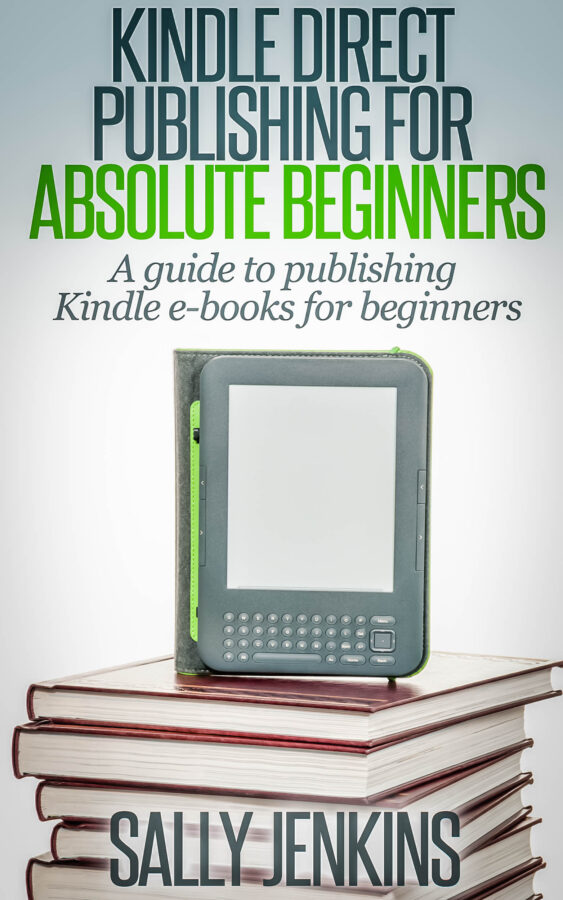
If you would like to know more about low-cost self-publishing via Amazon, the e-book Kindle Direct Publishing for Absolute Beginners (pictured, left) offers a good introduction. If you don’t currently read on Kindle, download the free Kindle app to your laptop, tablet or smartphone.
Whichever publishing route you choose, enjoy the journey and the royalties!
Bio: Sally Jenkins (pictured, right) currently writes uplifting and hopeful novels for the traditional publisher Choc Lit (part of Joffe Books). She has also had a novel published in partnership with The Book Guild and has self-published several books via Amazon KDP. When not at the keyboard, she feeds her addiction to words by working part-time in her local library and running two reading groups. Sally can also be found walking, church-bell ringing and enjoying shavasana in her yoga class. Follow her writing blog at https://sally-jenkins.com/.
If you enjoyed this post, please link to it on your own blog or social media:
This Valentine’s Day I’m pleased to bring you a guest article on a subject that I know will resonate with many readers of this blog.
Finding love in later life is clearly to be celebrated. But there are potential pitfalls as well, especially if you’ve been married before and/or have children from previous relationships. Mistakes made now can have costly – and stressful – consequences for you and your family further down the line.
My guest today, Victoria Fellows, a partner and head of family at the Birmingham office of HCR Law, knows this all too well. And she has some excellent advice for anyone who may be contemplating tying the knot (again) in their later years.
Marriage is an important decision at any stage of life, but when it comes to later-life marriages, the financial and legal implications take on an added level of significance which can include both benefits and challenges. This is especially likely if you have been married before (which accounts for most marriages among over 50s) or have children from previous relationships.
One of the primary concerns when entering a later marriage is protecting your children’s and/or extended family’s inheritance rights. In the absence of proper planning, a surviving spouse may inherit a significant portion of the estate, potentially diminishing what your children from earlier relationships would receive. This can lead to complicated family dynamics, particularly if your surviving spouse chooses to remarry or if your children feel their inheritance has been unfairly diminished.
There may also be inheritance tax (IHT) issues if the combining of assets pushes the estate value above the inheritance tax threshold, creating additional financial burdens for children who inherit.
So how can assets be protected to provide reassurance to the happy couple and their families?
Pre-Nuptial and Post-Nuptial Agreements
In addition to thinking about what happens to your wealth when you die, it’s also worth giving some thought to what might happen if you separate.
A pre-nuptial agreement is a legal contract entered into before marriage that sets out how assets will be divided in the event of divorce or death. While pre-nuptial agreements are not legally binding in England and Wales, they can be persuasive if challenged in court, particularly if both parties entered into the agreement voluntarily and with full disclosure of assets. In later-life marriages, a pre-nup can be used to protect children’s inheritance rights by ensuring that assets accumulated before the marriage remain separate and are passed down to children.
A post-nuptial agreement can serve a similar purpose but is created after the marriage has taken place. Although UK courts are not legally obliged to uphold these agreements, post-nups can still be considered, especially if they are seen as fair, transparent, and made with legal advice.
It can be an awkward subject to raise, but nuptial agreements simply set out what a financial agreement would look like were you to separate and allow you to ring-fence any assets that one or both of you are bringing to the marriage. Often we find that our older clients feel more confident about getting married once they have raised the issue of a pre-nup with their partner because it provides both parties (and their wider families) with clarification on what would happen if they were to separate further down the line.
Wills and Trusts
Creating or updating a will is crucial to ensure that assets are distributed according to your wishes after your death. For individuals in later-life marriages, it’s vital to establish clear provisions that reflect your intent to protect children’s inheritance, ensuring that your assets are passed to your own children and grandchildren not your new spouse’s family. A well-drafted will can explicitly set out which assets should go to children from previous relationships and can address potential challenges from a surviving spouse.
Many people are unaware that when they marry a previous will is likely to become null and void. Therefore, if you pass away without making a new will, the law will decide how your assets are distributed, which may not reflect your wishes or the needs of your loved ones.
In addition to creating or updating a will, you can consider a life interest trust which could upon your death give your surviving spouse the right to an income for the rest of their life, at which point the remaining capital would be passed to your children. This will prevent the entire estate passing to a surviving spouse for them to pass on at their discretion, which may or may not include your children.
Joint Ownership and Beneficiary Designations
When it comes to property you should carefully consider whether joint ownership or beneficiary designations will achieve your asset protection goals. In the case of joint ownership, you can hold property as tenants-in-common, which ensures that you each own a specific share of the property. This is important because, upon the death of one spouse, their share will be passed on according to their will or trust, rather than automatically going to the surviving spouse.
Beneficiary designations on life insurance policies, pensions, and retirement savings plans should also be reviewed. In the UK, these designations take precedence over what is written in a will, meaning that you can directly allocate these assets to your children rather than your surviving spouse.
Pensions
If you have any ‘defined benefit’ (final salary) pensions, they will likely pay a portion of your income to your spouse when you die, so it’s important you update them to let them know of a new spouse.
Meanwhile any money that remains in ‘defined contribution’ pensions, such as stakeholder pensions or self-invested personal pensions (SIPPs) can be passed on when you die to your chosen loved ones.
You can tell your provider/s whom you would like to inherit your pension by completing an expression of wishes form.
Conclusion
Marriage in later life presents unique financial and legal considerations, especially when it comes to protecting assets for children from previous relationships. It’s essential to have open, honest communication with both your spouse and your children. Discussing your intentions, explaining why you are making certain decisions, and addressing any concerns upfront can help to avoid potential conflicts down the road.
With careful estate planning, the use of legal tools like pre-nuptial agreements, wills, trusts, and tax strategies, you can safeguard your wealth and ensure that your assets are passed down according to your wishes. By taking these steps, later-life marriages can be both emotionally fulfilling and financially secure, providing peace of mind for you your spouse and their families.
Victoria Fellows (pictured, below) is a partner and head of family in the Birmingham office of HCR Law.
Many thanks to Victoria and her colleagues at HCR Law for an eye-opening article on this important topic. It may not be particularly romantic but devoting a little attention to these matters now can potentially save you and your heirs a lot of grief in the future.
As always, if you have any comments or queries about this article, please do leave them below.
If you enjoyed this post, please link to it on your own blog or social media:
For those of us who pride ourselves on family and caring for the ones we love, life insurance can be a very helpful safety net to have. Whether you want to leave behind a nest egg or just help them cover funeral expenses, taking out a policy can give you peace of mind that your loved ones will be looked after when you’re gone.
But unfortunately, life insurance is often surrounded by myths and misconceptions that can cause a lot of confusion when it comes to choosing a policy.
So in this post I’ve teamed up with British Seniors, Over 50 Life Insurance specialists, to take a look at the truth behind these common assumptions. Below, we’ll debunk some of the myths around Over 50 Life Insurance, so you can take pride in making an informed decision for your family.
Myth 1: “I’m Too Old to Get Life Insurance”
One of the most common myths is that people of a certain age can’t get life insurance. Many people assume that insurers won’t cover them if they’re over a certain age. In reality, Over 50 Life Insurance policies are designed to be taken out later in life. With British Seniors, you’re guaranteed acceptance for an Over 50 Life Insurance policy if you’re a UK resident aged 50 to 80. Better yet, there’s no need for medicals, blood tests, or complicated forms – you can get your policy sorted out over the phone.
Myth 2: “Life Insurance Is Too Expensive for Seniors”
Another common misconception is that life insurance becomes too expensive as you get older. While it is true that premiums are cheaper when you’re younger, many Over 50 Life Insurance policies are built to be affordable. When you take out a policy with British Seniors, you have control over your future payments with a fixed benefit amount or you can add the Increasing Benefit Option. With a fixed benefit amount, your monthly payments will stay the same for the duration of your policy. With the Increasing Benefit Option, to help keep up with the effects of inflation, your benefit amount and monthly premium will increase annually.
Myth 3: “I Don’t Need Over 50 Life Insurance Because I’m Debt-Free”
While being debt-free is a fantastic achievement, life insurance can be used for so much more than just debt. Many people take out life insurance to cover funeral costs, leaving their loved ones free from financial burdens during a difficult time. You could also leave your benefit amount as a nest egg for your family, so they can have some extra financial security. So, even if debts are no longer a concern, a life insurance policy can still offer some peace of mind and support for your loved ones.
Myth 4: “I Have Savings, So I Don’t Need Insurance”
While consistent saving is a great way to prepare for the future, even a substantial nest egg can be subject to risks where life insurance is not. Nobody knows what tomorrow will bring, and the reality is that many of us will end up needing our rainy-day savings for unforeseen expenses, like medical emergencies, home repair, loss of income, or simple day to day life as the cost-of-living increases. With an Over 50 Life Insurance policy in place, you have something of a financial safety net, so no matter what your savings look like down the line you can still count on your benefit amount.
Myth 5: “Life Insurance Payouts Are Taxed”
Many people worry that the payout from their life insurance policy will be heavily taxed, reducing its value for your family. The truth, however, is that life insurance payouts are usually exempt from income tax. Having said this, it’s important to note that your policy could be counted towards the overall value of an estate for inheritance tax purposes. Setting up your policy in a trust can help with this, by seeing to it that your loved ones receive their payout untaxed.
Myth 6: “I Can’t Get Life Insurance Due To A Medical Condition”
Another common myth is that having a medical condition makes it impossible to secure Over 50 Life Insurance. While this could be true of some policies that involve health assessments or medicals, some insurers offer guaranteed acceptance if you meet the criteria. With British Seniors, you’re guaranteed acceptance if you’re a UK resident aged 50 to 80. That means no medicals or blood tests are needed.
Myth 7: “I Can’t Leave Anything Significant to My Family”
While it’s true that the payout from an Over 50 policy may not be as large as those from other types of life insurance, the payout can still make a significant difference. You could secure enough to cover funeral costs, unpaid bills, or even to leave as a monetary gift. Having a policy in place also goes beyond financial value, as it can be a lovely gesture that tells your loved ones you care about them and their future.
Conclusion
In short, life insurance is not as complicated as it might seem – and being over the age of 50 doesn’t mean it’s too late to get covered. With these common myths busted, we hope that you feel more confident when it comes to planning for the future. Now you can make an informed choice for your loved ones and feel proud that you’ve looked out for them. If you’d like more information on British Seniors Over 50 Life Insurance, reach out to their trusted, UK-based advisors today and you’ll get a free quote with no strings attached.
Many thanks to my friends at British Seniors Over 50 Life Insurance for their assistance in compiling this article. As always, if you have any comments or queries, please do leave them below.
If you enjoyed this post, please link to it on your own blog or social media:
Today I’m discussing a subject relevant to many readers of this blog (which is of course aimed especially at people over 50).
As we age, our bodies undergo various changes that can affect our overall health and well-being. For those aged 50 and above, maintaining a balanced diet becomes increasingly important – and one nutrient that often requires special attention is protein. One recent study in South Yorkshire found that over 50% of older people weren’t eating enough protein to stay healthy.
Here’s why boosting protein intake can be crucial for those of us in our golden years.
The Role of Protein in the Body
Protein is a fundamental building block for the human body. It’s essential for repairing tissues, supporting immune function, and producing enzymes and hormones. Additionally, protein plays a key role in maintaining muscle mass, which naturally reduces with age.
Why Protein Needs Increase After 50
Muscle Mass Decline: From around the age of 30, individuals begin to lose muscle mass at a rate of approximately 3-8% per decade. This rate accelerates after 60. Without adequate protein and physical activity, this loss can lead to sarcopenia, a condition characterized by severe muscle loss that impacts mobility and quality of life. Women are especially susceptible to this due to hormone changes that take place in the menopause.
Bone Health: Protein is vital for maintaining strong bones. With age, the risk of osteoporosis increases, especially among postmenopausal women. Adequate protein intake, combined with calcium and vitamin D, can help reduce this risk.
Reduced Appetite and Nutrient Absorption: Many over-50s experience a decrease in appetite or changes in digestion that affect how nutrients are absorbed. Ensuring sufficient protein in the diet can help counteract these challenges by providing concentrated nutrition.
Immune Support: As the immune system weakens with age, protein becomes essential for producing immune cells and antibodies to fend off illnesses.
How Much Protein Do You Need?
The recommended dietary allowance (RDA) for protein is 0.8 grams per kilogram of body weight per day for adults. However, research suggests that older adults may benefit from higher intakes, around 1.0 to 1.2 grams per kilogram of body weight daily, to maintain muscle and support overall health. For example, an 80 kg individual should aim for 80-96 grams of protein per day.
Sources of Protein for Over-50s
To meet these protein needs, focus on a mix of high-quality protein sources, such as:
Animal Proteins: Lean meats, poultry, fish, eggs, and dairy products.
Protein Supplements: If meeting protein requirements through food alone is challenging, consider protein powders or fortified products, but consult a healthcare professional first.
Tips for Incorporating More Protein
Start Your Day Right: Include protein in your breakfast with options like eggs, Greek yogurt, or a protein smoothie.
Snack with a Punch: Opt for protein-rich snacks like a handful of nuts or a boiled egg.
Spread It Out: Distribute your protein intake evenly across meals, to enhance muscle protein synthesis.
Combine Strength Training: Pair a higher protein intake with resistance exercises to maximize muscle maintenance and growth.
Can You Have Too Much Protein?
While protein is essential, consuming excessive amounts can have drawbacks. Overloading on protein, especially from animal sources, may strain the kidneys, particularly in individuals with pre-existing kidney conditions. It can also lead to imbalanced diets if other essential nutrients are neglected.
Moderation and a focus on diverse protein sources are key to maintaining optimal health. As a rough guide, most people should aim for a maximum of 2 grams of protein per kilogram of body weight per day [source]..
The Bottom Line
For those over 50, boosting protein intake is a simple yet powerful way to support muscle health, maintain bone density, and enhance overall vitality.
By making small dietary adjustments and choosing nutrient-dense foods, you can pave the way for a healthier and more active life in your later years. If you’re unsure about how much protein you need, consult with a registered dietitian or healthcare provider to tailor a plan to your needs.
As always, if you have any comments or questions about this post, please do leave them below.
Note: This article was researched and written with the assistance of AI.
If you enjoyed this post, please link to it on your own blog or social media:
My guest post today concerns a subject none of us wants to think about, but one that can have huge financial (and other) ramifications, especially if not handled well.
Traditionally divorce lawyers see a peak in enquiries in January. Indeed, the first Monday in January is sometimes known as ‘Divorce Day’. This uptick may be partly to do with people putting off taking action till after the festive season is over. Nevertheless, divorce is undoubtedly a matter on the minds of many people at this time of year.
If – sadly – you find yourself in this position, my guest today, Simon Bassett, head of the family team at RWK Goodman, has put together some Dos and Don’ts to help ensure the process goes as smoothly as possible for you.
Over to Simon, then…
Dos and Don’ts for Divorce in 2025
Dos
Focus on your long-term goal – your happiness and the children’s happiness.
Build a support network – divorce can be a daunting process so build a support network of trusted family members and friends and consider using a therapist or divorce coach – we find that our clients who have good support make better decisions and are less likely to procrastinate.
Choose your solicitor carefully – like any working relationship, you need find someone you can work with and build a rapport with. Seek recommendations from friends and colleagues and if the fit doesn’t feel right, find another.
Try and keep the divorce amicable and out of court by using non-court methods such as mediation. Not only will this be better for your children and your own emotional health, it will also save you money in legal fees and speed up the process.
Sort out your paperwork – if you have your finances in order, e.g. details of all your expenditure, income and pensions, this will save you masses in divorce fees.
Be grateful for what you had – the end of a relationship should not be viewed as a failure. Some relationships simply run their course, so be grateful for what you had, e.g. there were many years of good times, and what the marriage produced, the children.
Don’ts
If you are certain your marriage has come to an end, don’t delay taking action. Things may get messy, but they will get better!
Look back and obsess about what went wrong.
Compare your divorce to other people’s – every divorce is different.
Don’t ignore your solicitor – if they recommend something, it will be based on many years’ experience and the advice will be specific to you and designed to achieve the best possible outcome.
Don’t email your solicitor every time you have a heated exchange with your ex!
Don’t be greedy – the courts take a very dim view of people who exaggerate what they may need post-divorce.
No matter how tiresome your ex is, don’t ever be negative about him/her in front of the children. Remember that you are your children’s role model.
Simon Bassett is the head of the family team at RWK Goodman and has over 30 years’ experience advising clients on divorce and other family law issues.
Many thanks to Simon for his valuable advice. Although I’ve not been in this situation myself, I have friends and relatives who have. From what I have seen, the process is far less stressful for all concerned if matters can be conducted in a civilized – and even amicable – way.
You can contact Simon and his colleagues at RWK Goodman via their website. They have offices in London, Bath, Oxford, Swindon, Bristol, Marlborough and Thame.
As always, if you have any comments or queries about this post, please do leave them below.
If you enjoyed this post, please link to it on your own blog or social media:
Christmas is coming, so here’s a chance to make it extra special for one lucky winner!
I’ve joined forces with some of my fellow UK bloggers in this festive mega-giveaway with prizes valued at over£500 in total.
Entering the giveaway is free of charge and full instructions can be found below. There are multiple ways to enter, and the more you do, the better your chances of winning. You may also like to use the prize list as a source of ideas for Christmas gifts.
Note that where an entry requires following a social media account, you will need to continue following this account until the winner has been drawn after the closing date of 22 December 2024. Before the winner is announced the organisers will check that they are still following the account in question. If not, they will be disqualified and another winner drawn.
This giveaway has been organised by my fellow blogger Rowena Becker, who blogs at My Balancing Act. Please check out her blog and those of the other talented bloggers taking part (listed below). And read on for full details from Rowena of all the prizes on offer and how you could win this mammoth bundle!
The Bloggers Mega Christmas Giveaway!
Win Big This Christmas! Some of the UK’s top bloggers have come together to offer one lucky winner a collection of incredible prizes that are sure to bring smiles to every face in your household.
From thoughtful treats to exciting surprises, this bundle has everything you need to make this Christmas extra special. Entering couldn’t be easier—simply head over to our Rafflecopter link at the bottom of this post for multiple chances to win.
Don’t miss out—this could be the perfect way to surprise and delight the whole family!
This giveaway is open to over 18 only and age verification will be required. The winner will be chosen at random and contacted via email. Terms and conditions apply.
The Bloggers
In order to be able to bring you this incredible giveaway, some of the UK’s top bloggers got together. A massive thank you to our bloggers! The bloggers taking part are:
The Perfect Gift for Foodies: FinaMill Rechargeable Gift Set
Upgrade your loved ones’ cooking game with the festive FinaMill Rechargeable Gift Set. This set not only adds a pop of colour to any kitchen in its Sangria shade, but it also takes cooking to the next level with its innovative design and features. Whether you’re shopping for experienced chefs or kitchen newbies, this gift set is sure to impress.
The rechargeable grinder allows for fast charging and has a long-lasting battery, making it the perfect addition to any busy kitchen. And with its eco-friendly design, you can feel good about reducing your carbon footprint while cooking up delicious meals.
Not only does the gift set come with the FinaMill grinder, it also includes 3 different types of FinaPods: 2 FinaPod Pro Plus for everyday spices and 1 FinaPod MAX for larger spices and dried herbs. With a sleek and modern tray exclusive to this gift set, your loved ones will have all the tools they need to elevate their dishes in one convenient package.
As well as being a practical and unique present, this will also show your loved ones how much you care about their passion for food. Don’t wait—enter our giveaway now!
Ocoopa HotPal PD Quick Charge Rechargeable Hand Warmer
The Ocoopa HotPal PD Rechargeable Hand Warmer is the perfect addition to our prize bundle, making it an ideal gift for anyone who loves spending time outdoors during the colder months. This hand warmer not only keeps your hands warm and toasty during chilly morning hikes or outdoor activities, but it also has adjustable heat options so you can customise the warmth level to suit your needs.
But that’s not all! The Ocoopa HotPal PD Hand Warmer also serves as a backup portable charger using the PD protocol, making it a convenient and versatile gadget to have on hand. It can charge various devices such as lights, earbuds, and smartphones – with lightning-fast speed. In fact, it can charge an iPhone to 50% in just 30 minutes, perfect for those who are always on-the-go. This means you’ll never have to worry about your devices running out of juice during your outdoor adventures.
So whether you’re gifting this hand warmer to a friend or family member who loves camping, hiking, or simply enjoys being outdoors, or even treating yourself to one, the Ocoopa HotPal PD Rechargeable Hand Warmer is a must-have accessory for any winter adventure. Don’t miss your chance to win this amazing prize and make someone’s Christmas extra warm and special with our ultimate giveaway bundle!
Opinel Cheese Knife & Fork Set
Looking for a unique and practical gift for the foodie in your life? Look no further than the Opinel Cheese Knife & Fork Set. This set is not only stylish and beautifully designed, but also functional for any cheese lover.
Opinel, known for their iconic French design and quality craftsmanship, brings their expertise to this must-have set for any cheese plate or charcuterie platter. Made from sustainably harvested European wood, the beechwood handles add a touch of elegance to the knife and fork.
But don’t let the sleek design fool you, these tools are made to last. The stainless steel blade of the knife is sharp, durable, and easy to maintain, ensuring that it will be a staple in any cheese lover’s kitchen for years to come. Plus, the fork serves a dual purpose as a holder for the knife and for easily serving slices from the platter.
This set is not only perfect for holiday gatherings and dinner parties, but also makes a great gift for any occasion. Give the gift of style and functionality with Opinel’s Cheese Knife & Fork Set this Christmas!
Opinel Art Deco 4pc Kitchen Knife Set
The Opinel Art Deco 4pc Kitchen Knife Set is the perfect addition to our prize bundle this Christmas. With its simple, versatile and efficient design, these knives make everyday cooking much easier. The set includes four high-quality knives with unique and stylish designs that are sure to impress any recipient.
Each knife in the set has a Sandvik 12C27 stainless steel blade with a high carbon content, ensuring excellent cutting quality and resistance to corrosion. The handles are made from tinted hornbeam and covered in a protective varnish, making them resistant to water for long-lasting use.
The set contains four essential kitchen knives: No.112 Paring knife in purple, No.113 Serrated knife in soft grey, No.114 Vegetable Knife in emerald green and No.115 Peeler in white. These knives are perfect for various tasks such as peeling, slicing, and dicing fruits and vegetables, cutting bread or meat, and even preparing sushi.
The Opinel Art Deco 4pc Kitchen Knife Set is not only practical but also adds a touch of elegance to any kitchen with its Art Deco design. It’s an ideal gift for anyone who loves to cook or wants to upgrade their kitchen essentials.
Note: Age verification will be required for all prize winners. Open to UK residents over 18 only.
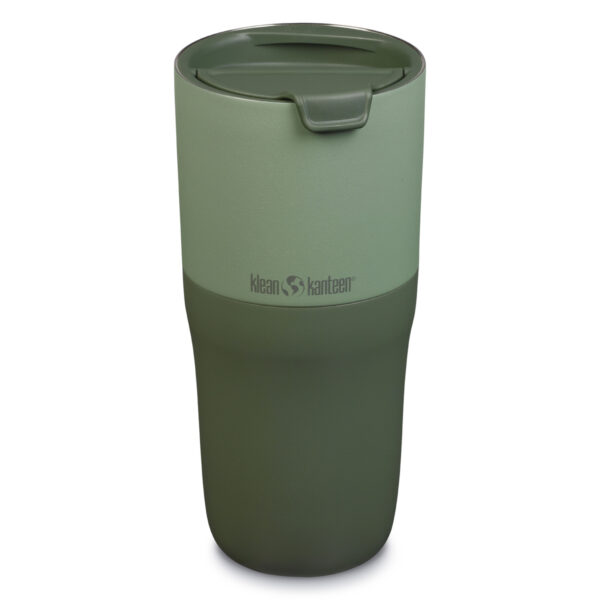
The Perfect Gift for Coffee Lovers: RISE 26oz Tumbler by Klean Kanteen
As part of our amazing Christmas prize bundle, we are excited to offer the RISE 26 oz tumbler with flip lid in Sea Spray. This sleek and stylish tumbler is not only a great addition to any coffee lover’s collection, but also an eco-friendly choice.
Made from certified 90% post-consumer recycled stainless steel, this durable tumbler is perfect for enjoying hot or cold drinks on the go. Its Climate Lock™ insulation keeps drinks at the desired temperature for hours, making it ideal for busy mornings or long commutes.
Christmas Negroni Cocktail Prize Pack
Are you looking for a sophisticated and festive cocktail to add to your Christmas celebrations? Look no further than the Award-Winning Christmas Negroni, crafted by Bottle Bar and Shop.
This twist on the classic Negroni is perfectly balanced with warm seasonal spices and premium ingredients, providing an effortless way to indulge in the holiday spirit. Whether you’re hosting a festive gathering or enjoying a cosy night in, this Christmas Negroni will elevate your experience with its rich flavours and festive flair.
Enter now for a chance to win this as part of our prize bundle. Please note that this prize is only available for those who are 18 years or older. Cheers to the holiday season with our Christmas Negroni Cocktail Prize Pack! Disclaimer: Must be 18 years or over to enter.
Disney Stitch Drink Flask from Thermos
Looking for a practical and fun gift for the little ones in your life? Look no further than the Direct Drink Flask 470ml Disney Stitch Signature from Thermos. This flask not only features cute images of everyone’s favourite mischievous alien, Stitch, but also keeps drinks hot for up to 10 hours and cold for up to 24 hours.
Whether they’re off on an adventure or just need a cool drink at school, this direct drink flask is perfect for kids (or adults!) who love Disney and staying hydrated. And with its durable design and reliable insulation, it’s sure to be a gift that will last beyond the holiday season.
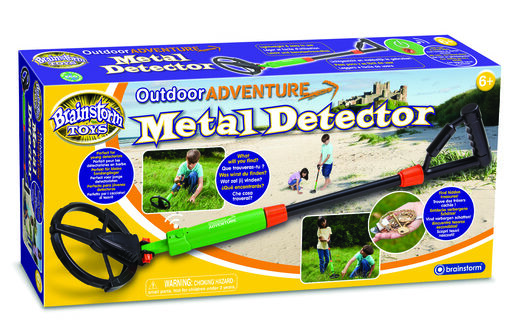
Brainstorm Toys Outdoor Adventure Metal Detector
As part of our Christmas prize bundle, we are excited to offer the Brainstorm Toys Outdoor Adventure Metal Detector. This fun and innovative STEM toy is perfect for young detectorists who love to explore and discover hidden treasures. With its easy-to-use design and light and sound alerts, kids will be entertained for hours as they search for buried gems and coins. Not only does this gift encourage curiosity, but it also provides an exciting outdoor activity that will keep kids active and engaged during the holiday season. Lightweight and versatile, the Brainstorm Toys can be used in handheld mode or attached to a pole for an even more thrilling treasure hunt experience. Don’t miss your chance to win this amazing gift for the little ones in your life!
Doll Smash Glass Lip Oil: The Ultimate Hydration and Shine for Her Lips
This Christmas, give the gift of hydrated and shiny lips with Doll Smash Glass Lip Oil. Its lightweight, vegan formula is perfect for anyone looking for a quick and easy way to add some moisture to their lips. Say goodbye to sticky residue and hello to soft and supple lips with just one glide. With its instant boost of hydration and shine, this lip oil is the perfect addition to any winter skincare routine. So why not treat your loved ones (or yourself!) to beautifully moisturised lips this holiday season?
Age-Defyers Discovery Set from Evolve Organic Beauty
Looking for the perfect gift for her this holiday season? Look no further than the Age-Defyers Discovery Set from Evolve Organic Beauty. This giftable collection of 3 travel-sized skincare products is suitable for all skin types and is specifically designed to help smooth, plump, and give a younger-looking appearance.
Included in this set are 3 samples from Evolve’s award-winning range of organic skincare products, so you can try out some of their best-selling items before committing to full-sized versions. The Gentle Cleansing Melt (30ml) will leave her skin feeling clean and refreshed while the Peptide 360 Serum (10ml) and Multi Peptide 360 Anti-Ageing Cream (30ml) work together to tackle signs of aging. Plus, with the addition of 2 sachet samples, she can continue her journey to youthful skin even after the holidays are over.
Don’t miss out on this amazing gift that will give her the gift of beautiful, radiant skin this Christmas!
New Sprouts® Prep ‘n’ Store Kitchen Island from Learning Resources
As part of our amazing Christmas prize bundle, we are excited to offer the New Sprouts® Prep ‘n’ Store Kitchen Island from Learning Resources! This fantastic play kitchen island is perfect for your little chef to prepare and serve pretend play food and will provide hours of imaginative play. With two rolling wheels on one side and a convenient handle on the other, it’s also easy to move around and store when not in use. Plus, with two storage shelves included, there’s plenty of space to store all kinds of play food—including the six pieces that come with the set! Let your child’s creativity and culinary skills shine this Christmas with the New Sprouts® Prep ‘n’ Store Kitchen Island from Learning Resources.
Numberblocks® Rainbow Counting Bus
The New Sprouts® Prep ‘n’ Store Kitchen Island is not the only exciting educational toy that we have included in our Christmas prize bundle. As part of our commitment to providing quality learning resources, we are also offering a Numberblocks® Rainbow Counting Bus from learning resources! This fun and educational toy is perfect for any young Numberblocks fan who loves imaginative play.
Get ready to embark on exciting adventures in Numberland with the included Seven figure as your driver. With 12 songs and sounds from the series, your child will have a blast counting along and exploring all the numbery features of the bus.
Take a peek at the hidden rainbow by opening the drop-down back, and count all the different colours together. Let this magical toy from Learning Resources be a part of your child’s Christmas celebrations and help them learn and grow while having tons of fun!
Pretend to Bee Postal Worker – 3-5 Years
This fun and interactive costume from Pretend to Bee is the perfect gift for children who love to play pretend and explore different occupations. With a sleeveless jacket, trousers, and post bag, kids can dress up and act out the role of a postal worker, gaining a better understanding of this important job in their community. Not only will they have hours of fun with imaginative play, but they’ll also learn valuable skills such as responsibility and teamwork. Plus, it’s machine washable for easy clean-up after all their adventures! A great addition to any child’s dress-up collection and a fantastic way to encourage creativity and social development. Get ready to deliver some letters this Christmas with the Pretend to Bee Postal Worker costume!
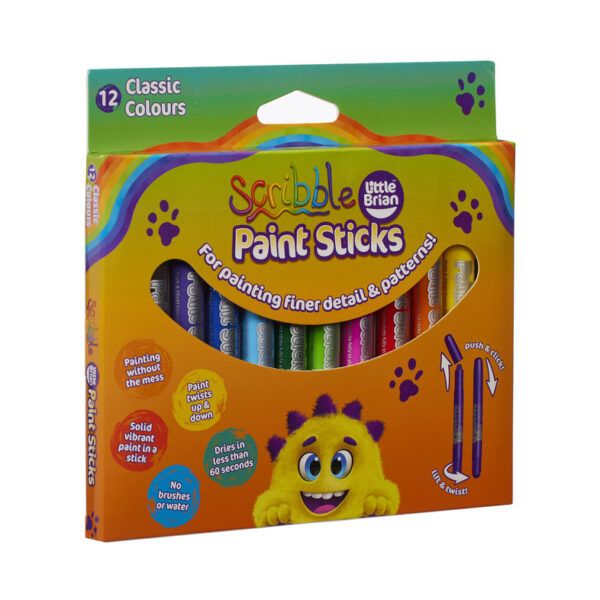
Little Brian Scribble Paint Sticks and Bath Paint Sticks
Add a splash of colour and creativity to your child’s Christmas with the Scribble Paint Sticks by Little Brian, included in our prize bundle! These innovative paint sticks allow kids to unleash their imagination and create intricate designs thanks to their finer tip. With 12 vibrant colours, these paint sticks bring any artwork to life in just under 60 seconds. And the best part? No more messy clean-up afterwards! Watch as your child explores their creativity on paper, card, wood, or glass without worrying about stains or spills.
But wait, there’s more! Also included in our prize bundle are the Bath Paint Sticks from Little Brian. These washable paint sticks make bath time even more fun and colourful as kids can create their own masterpieces on the bath tub or shower walls. With six vibrant colours that easily wash off with water, these paint sticks provide a mess-free and imaginative activity for children of all ages. Make bath time a creative experience this Christmas with the Little Brian Bath Paint Sticks! Don’t miss out on this perfect gift for budding artists this holiday season!
LittleLife Toddler Backpacks
LittleLife’s award-winning range of toddler backpacks come in a plethora of different colourful designs, giving your little ones the perfect amount of storage space this Christmas, whether that’s for their new toys or sweet treats!
What’s more, LittleLife’s toddler backpacks have a built-in safety rein to keep youngsters safe and within reach, whilst still giving them the freedom and independence to explore the outdoors and develop motor skills that are so important for children’s development.
Make festive family walks a cherished tradition, knowing your little ones are secure with LittleLife toddler backpacks!
Browse the LittleLife toddler backpack collection here
Start-Rite Party Shoes
Add some sparkle and fun to little feet this Christmas with Start-Rite’s versatile collection of children’s party shoes! You’ll find classic T-bar styles such as Lottie in Pink Leather and Puzzle in Navy Patent, and festive colours, such as Wiggle in Gold Glitter and Wonderland in Cherry Red Patent. The extensive collection of party shoes and boots from Start-Rite has something for everyone – perfect for family festivities this Christmas.
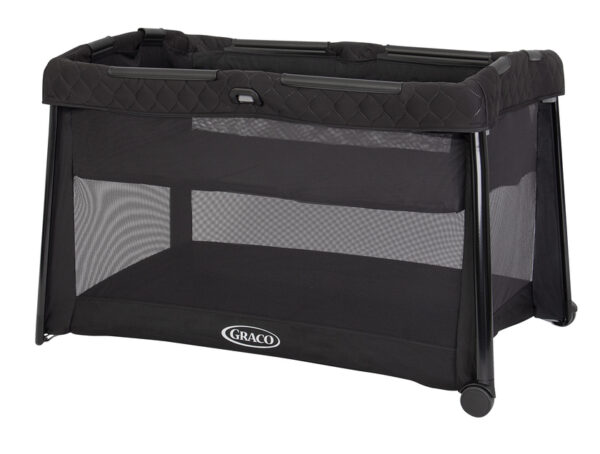
The FoldLite LX is the perfect solution for making family visits easier this Christmas! With a lightweight, one-of-a-kind fold, the FoldLite LX can be popped up and taken down with ease both home and away. Collapsing to only 26cm wide, you can swiftly tuck the cot into any nook around the house. When travelling, the FoldLite LX can go one step further, folding down even tinier for exceptional portability. Doubling as a playpen and featuring a removable infant bassinet, the FoldLite LX conveniently travels with the family throughout the festive period and beyond.
You can enter the Giveaway by completing as many Rafflecopter widget entry options below as you like. All entries will be collected, and one winner will be randomly chosen via Rafflecopter. Good luck!
The giveaway will run from 8 am 15th December 2024 to 11.45 pm 22nd December 2024.
Prize open to over 18s only. Age verification will be required.
The winners will be notified by email from rowena@mybalancingact.co.uk.
The winner will have 7 days to respond after which time we reserve the right to select an alternative winner.
This prize draw is in no way sponsored, endorsed or administered by, or associated with, Facebook, Instagram, X, YouTube, BlogLovin or Pinterest or any other social media platform.
The prizes may not arrive in time for Christmas.
Some or all of the prizes may take a few weeks to arrive.If any prizes are out of stock then we will do our best to find a suitable replacement but cannot guarantee it.
Anyone who unfollows before the giveaway ends or doesn’t complete the required entry action will be disqualified.
The prize is non-transferable, non-refundable and cannot be exchanged for monetary value.
We may be using a parcel service or Royal Mail for some of the prizes and their standard compensation will apply in the event of loss or damage.
Some items may be sent directly by the supplier and we do not have responsibility if these go missing and we cannot replace them.
In the unlikely event that one of the companies withdraws a prize, we cannot offer an alternative.
The winner’s name will be stated on some or all of our blogger’s websites and announced on Twitter and other social media channels. It will also be displayed on the Rafflecopter entry form. By entering this prize draw, you give your permission for this.
Please note the winner may have the same name as you, so if you see your name displayed, be aware that you are not the winner unless you have been notified by us.
There may be some delays in receiving prizes.
Good luck, and I hope a Pounds and Sense reader wins this fabulous prize bundle!
NOTE: Posts on Pounds and Sense may include affiliate links. If you click through and make a purchase, I may receive a commission for introducing you. This will not affect in any way the product or service you receive or the price you pay.
If you enjoyed this post, please link to it on your own blog or social media:






 Bio: Sally Jenkins (pictured, right) currently writes uplifting and hopeful novels for the traditional publisher








 As part of our Christmas prize bundle, we are excited to offer the