
Everything Else

This includes everything  else I discuss on Pounds and Sense, including Health, Holidays, Relationships, and so on.

How often should you really be washing your bedding? A microbiologist explains

How Often Should You Really Be Washing Your Bedding? A Microbiologist Explains

Today I have a guest post for you on a subject many of us wonder about. It’s by Primrose Freestone, Senior Lecturer in Clinical Microbiology at the University of Leicester.

The article was originally published in The Conversation and is republished here under a Creative Commons licence.


Most of us spend around a third of our lives in bed. Sleep isn’t just downtime; it’s essential for normal brain function and overall health. And while we often focus on how many hours we’re getting, the quality of our sleep environment matters too. A clean, welcoming bed with crisp sheets, soft pillowcases and fresh blankets not only feels good, it also supports better rest.

But how often should we really be washing our bed linens?

According to a 2022 YouGov poll, just 28% of Brits wash their sheets once a week. A surprising number admitted to leaving it much longer, with some stretching to eight weeks or more between washes. So what’s the science-backed guidance?

Let’s break down what’s actually happening in your bed every night – and why regular washing is more than just a question of cleanliness.


Get your news from actual experts, straight to your inbox. Sign up to our daily newsletter to receive all The Conversation UK’s latest coverage of news and research, from politics and business to the arts and sciences.


Each night, as we sleep, we shed hundreds of thousands of skin cells, excrete oils from our sebaceous glands, and sweat up to half a pint of fluid – even if we’ve showered just before bed. Our skin hosts millions of bacteria and fungi, many of which are transferred onto sheets, pillows and duvets as we move during the night.

That fresh sweat may be odourless, but bacteria on our skin, particularly staphylococci, break it down into smelly byproducts. This is often why you wake up with body odour, even if you went to bed clean.

But it’s not just about microbes. During the day, our hair and bodies collect pollutants, dust, pollen and allergens, which can also transfer to our bedding. These can trigger allergies, affect breathing, and contribute to poor air quality in the bedroom.

Dust mites, fungi and other unseen bedfellows

The flakes of skin we shed every night become food for dust mites – microscopic creatures that thrive in warm, damp bedding and mattresses. The mites themselves aren’t dangerous, but their faecal droppings are potent allergens that can aggravate eczema, asthma and allergic rhinitis.

Fungi also find your bed appealing. Some species, like aspergillus fumigatus, have been detected in used bed pillows and can cause serious lung infections, particularly in people with weakened immune systems.

If you sleep with pets, the microbial party gets even livelier. Animals introduce extra hair, dander, dirt and sometimes faecal traces into your sheets and blankets, increasing the frequency at which you should be washing them.

So, how often should you wash your bedding?

Sheets and pillowcases

  • When: Weekly, or every three to four days if you’ve been ill, sweat heavily, or share your bed with pets.
  • Why: To remove sweat, oils, microbes, allergens and dead skin cells.
  • How: Wash at 60°C or higher with detergent to kill bacteria and dust mites. For deeper sanitisation, tumble dry or iron. To target dust mites inside pillows, freeze for at least 8 hours.

Mattresses

  • When: Vacuum at least weekly and air the mattress every few days.
  • Why: Sweat increases moisture levels, creating a breeding ground for mites.
  • Tips: Use a plastic or allergen-proof mattress protector and replace the mattress every seven years to maintain hygiene and support.

Pillow interiors

Blankets and duvet covers

  • When: Every two weeks, or more often if pets sleep on them.
  • Why: They trap skin cells, sweat and allergens.
  • How: Wash at 60°C or as high as the care label allows. Some guidance recommends treating these like towels: regular and hot washes keep them hygienic.

Duvets

  • When: Every three to four months, depending on usage and whether pets or children share your bed.
  • Why: Even with a cover, body oils and mites eventually seep into the filling.
  • How: Check the label: many duvets are machine-washable, others may require professional cleaning.

Your bed may look clean – but it’s teeming with microbes, allergens, mites and irritants that build up fast. Washing your bedding isn’t just about keeping things fresh; it’s a matter of health.

Regular laundering removes the biological soup of sweat, skin, dust and microbes, which helps to reduce allergic reactions, prevent infections and keep odours at bay. And as research continues to show the profound effect of sleep on everything from heart health to mental clarity, a hygienic sleep environment is a small but powerful investment in your wellbeing.

So go ahead – strip the bed. Wash those sheets. Freeze your pillows. Your microbes (and your sinuses) will thank you.

Sweet dreams – and happy laundering.The Conversation

Primrose Freestone, Senior Lecturer in Clinical Microbiology, University of Leicester

This article is republished from The Conversation under a Creative Commons license. Read the original article.

As always, if you have any comments about this article, please do post them below.


If you enjoyed this post, please link to it on your own blog or social media:
How to check your tax code

How to Check Your Tax Code and Correct it if Necessary

Today I’m spotlighting a piece of official data about you that might seem dry and boring, but is actually crucial to ensuring you don’t pay more tax than you need to.

Your tax code is set by HM Revenue and Customs (HMRC). It determines how much income tax is deducted from your salary, wages or pension before you receive it. 

Understanding your tax code and ensuring its accuracy can prevent you from overpaying (or underpaying) tax.

What is a Tax Code?

A tax code is a combination of numbers and letters that helps your employer or pension provider calculate how much tax to deduct from your income. 

For example, a common tax code for the 2025/26 tax year is 1257L. This indicates that you are entitled to a tax-free personal allowance of £12,570, with tax due on any income you receive over this. 

The letter in your tax code provides additional information about your circumstances, such as whether you have more than one source of income or are being taxed on an emergency basis.

How to Find Your Tax Code

Your tax code can be found on any of the following:

  • your payslip
  • your P60 or P45 (for those who have changed jobs or retired recently)
  • letters or emails from HMRC
  • your personal tax account on the HMRC website

Deciphering Your Tax Code

Here’s a breakdown of what the numbers and letters mean:

Numbers: Multiply the number in your tax code by 10 to calculate your tax-free allowance. For example, 1257 means you can earn up to £12,570 a year tax-free.

Letters: These Indicate specific circumstances. 

L: standard personal allowance

M: you’ve received a marriage allowance transfer

BR: all income is taxed at the basic rate (20%)

NT: no tax is deducted from your income

S: taxpayers living in Scotland

C: taxpayers living in Wales (Cymru)

Common Reasons for Incorrect Tax Codes

Your tax code might be wrong if any of the following apply:

  • you’ve started a new job
  • you’ve received a pay rise or bonus
  • you’re receiving income from multiple sources
  • you’ve claimed or stopped claiming benefits like marriage allowance
  • HMRC hasn’t been updated about changes in your circumstances, such as retirement or moving abroad

What to do if Your Tax Code is Incorrect

Check your tax code: Review your payslip and/or other relevant documents to confirm your tax code.

Use the HMRC tax code calculator: This tool is available on the HMRC website. It  can help you determine if your tax code is correct, based on your circumstances. It will also reveal your annual tax-free allowance.

Contact HMRC: If you suspect an error, contact HMRC directly. You can do this by any of the following means:

When contacting HMRC, have the following information ready:

  • National Insurance number
  • details of all income sources
  • recent payslips or P60s

Of course, if you have an accountant, you may prefer to ask him or her to handle this for you. Accountants are well accustomed to dealing with these matters and will normally be happy to contact HMRC on your behalf.

Adjustments and Refunds

Once HMRC updates your tax code, your employer or pension provider will use the new code in your next payslip. If you’ve overpaid tax, HMRC will issue a refund automatically or else adjust your tax deductions in future months.

Preventing Future Errors

To avoid future tax code errors:

  • inform HMRC promptly about changes in your income or circumstances
  • regularly check your payslip and tax code notifications
  • use your personal tax account to keep track of your tax records

By staying proactive and understanding your tax code, you can ensure your finances remain in order and avoid any unpleasant surprises when it comes to your taxes.

As always, if you have any comments or questions about this post, please do leave them below. 

An earlier version of this article was first published on the Mouthy Money website.


If you enjoyed this post, please link to it on your own blog or social media:
Here's why I'm not a fan of FIRE

Here’s Why I’m Not a Fan of FIRE

As a Pounds and Sense reader there’s a good chance you’ll be familiar with the FIRE concept already. But just in case you’re not, it stands for Financial Independence, Retire Early

The term was first coined in the US but soon crossed the pond to Britain and Europe. FIRE involves working hard to make (and save) as much money as you can, until you have enough capital to give up your day job and retire early.

At first glance it sounds appealing, but as you’ll gather from the title I’m not a fan. In this article I will explain some of the reasons I recommend caution when contemplating a FIRE strategy, starting with the one I regard as most compelling…

1. Life Doesn’t Always Go To Plan

When you’re in your twenties or even thirties, it’s tempting to believe you can plan your whole life year by year, decade by decade. 

As a FIRE aficionado, you might intend to put your nose to the grindstone for 20 to 30 years and retire in middle age, leaving you free to do whatever you want for the rest of your life. 

That’s great in theory, but one thing my 69 years have taught me is that life may have other plans. Sadly, none of us knows when the Reaper will come calling. I’ve had friends and relatives who have passed away at all ages, from their twenties to their sixties. Around one in five men don’t live long enough to collect their state pension, which is a sobering statistic.

Even if that doesn’t happen, other life events can throw a big spoke in your FIRE wheel. These include accidents, serious illness, disability, separation and divorce, losing your job, and so forth. These are things you can’t plan for but they happen all too often. The danger then is that you may have ‘wasted’ the good years that came before.

Let me tell you about my partner, Jayne. She became seriously ill soon after her 50th birthday and passed away four years later. That was clearly tragic, but one small scrap of comfort is that in her early forties she decided to go part-time in her teaching career, to have more time for other interests. We also decided that, as we both enjoyed travel, we would fit in as many trips as we could, even though money was often tight. We had some wonderful holidays that would never have happened if we’d both been working all hours and saving frantically for a future that in her case would never happen.

2. Are You Willing to Write Off the Best Years of Your Life? 

If you’re assiduously pursuing FIRE, you will be working your socks off during the day and scrimping and saving in your leisure time. Is this really how you want to spend what are arguably the best years of your life?

An example here is my old schoolfriend Phil (name changed). Phil was the brightest guy in my class (and probably the whole school). He aced all his exams and went to Oxford, where he got a first class honours degree in Agriculture and Forestry. Everyone predicted a stellar career for him.

Except that was never Phil’s plan. He was into FIRE before the term was even invented. He told me he was going to retire at forty. So he took a job he didn’t enjoy but paid well. He saved every penny he could, even running an ancient Austin A40, for which he didn’t have to pay road tax. He even taught himself mechanics and welding, so he didn’t have to waste money on garage fees.

Phil used to visit me and Jayne when we were younger. We admired his intellect and his single-minded determination, but did wonder about the price he was paying. He never (to my knowledge) had a relationship, and never went to concerts, the theatre or anything like that. We took him to a Chinese restaurant once, and he told us he had never been in one before (by this point he must have been in his late thirties). It certainly wasn’t a lifestyle either of us envied or would have chosen for ourselves.

3. What Will You Do When You Achieve Your Goal?

My friend Phil duly achieved his ambition. He was good at investing (naturally) and accumulated enough money to retire at his target age of forty. He then began devoting himself to volunteer conservation work. 

So far so good, but he became more and more of a recluse. He became physically ill and (I’m pretty sure) mentally as well. He broke off all connection with us and other friends. Last time I heard, he was living alone in the New Forest. I hope he is happy but am not convinced this is really a blueprint for how anyone should live their life. 

If you have a clear vision of what you want to do when you’ve achieved FIRE, that will undoubtedly help. If you don’t, though, that should set off an alarm that you need to think very carefully before proceeding. 

Even if you do have a plan – as Phil did – your post-FIRE life may not turn out to be as fulfilling or enjoyable as you hoped. How will you feel then about all the privations in the years leading up to it?

4. What About Work-Life Balance?

You may disagree, but it does seem to me that FIRE and work-life balance are two concepts that are almost by definition at odds with each other. 

For most people, their aim is to achieve a good work-life balance from day to day, with time for work, family, leisure, holidays, hobbies, and so on. For FIRE enthusiasts, however, the balance is more over the course of a lifetime, with work dominating the earlier years and ‘life’ the remainder. Aside from the risks mentioned above in assuming you can plan your whole life this way, that doesn’t seem like a recipe for good physical or mental health to me.

Final Thoughts

So those are some reasons I’m dubious about pursuing a FIRE strategy. 

Of course, I’m not saying you shouldn’t save for the future or indeed make sensible economies. But from my perspective as a 69-year-old, I strongly believe in striking a balance between making the most of your life today and planning prudently for tomorrow.

We only get one life, and sacrificing (say) twenty-five years of it for a very uncertain future is a huge gamble. In my view it’s a journey you should think very carefully about before embarking on. 

Better, in my opinion, to seek work that brings you satisfaction and fulfilment rather than merely being a means to an end. Make the most of everything life has to offer while you still can, since – as I well know – none of us can ever be sure what the future will hold.

Or as the old Guy Lombardo song (see below) has it: ‘Enjoy yourself, it’s later than you think!’

As always, if you have any comments or questions about this article, please do leave them below.

An earlier version of this article was first published on the Mouthy Money website.


If you enjoyed this post, please link to it on your own blog or social media:
Is Private Health Insurance Worthwhile for Over-50s?

Is Private Health Insurance Worthwhile for Over-50s?

As we get older, our health needs inevitably become more complex – and that’s when many of us (me included) start to wonder: Is private health insurance worthwhile?

In the UK, we’re fortunate to have the NHS, which offers free healthcare at the point of delivery to everyone. But with increasing waiting times and growing pressure on NHS services – not to mention strikes and other disruptions – growing numbers of older people are wondering whether it’s time to consider going private.

Let’s take a look at the pros and cons, and key questions to help you decide whether private medical insurance (PMI) makes financial sense for you.

✅ Why Consider Private Health Insurance?

1. Shorter Waiting Times

Waiting for an operation or diagnostic scan can be stressful—especially when you’re in pain or worried. One of the biggest attractions of private health insurance is the ability to skip long NHS queues for consultations, scans and treatments.

2. Access to Private Hospitals and Specialists

Private cover often gives you access to a broader network of consultants and hospitals. This can be particularly useful if you want to see a specific specialist or prefer the amenities of a private facility.

3. More Comfortable Experience

Private rooms, flexible appointment times, and continuity of care are common benefits of going private. If you value comfort and control in how you’re treated, insurance can help deliver that.

4. Extra Services

Many policies include extras like physiotherapy, mental health support, or complementary therapies—services that can be hard to access promptly (or at all) on the NHS.

⚠️ Things to Think About Before You Buy

💷 It Can Be Expensive

There’s no getting around it—health insurance becomes more expensive as you get older. If you’re in your 60s or 70s, you could be looking at £100 to £250+ per month, depending on your cover level and health history.

If you’re living on a pension or fixed income, it’s important to weigh up whether the cost is sustainable long term.

⚕️ Pre-existing Conditions May Not Be Covered

If you’ve had health issues in the past—as many of us over 50 have—be aware that these may be excluded from cover, at least initially. Some insurers offer “moratorium” or “full medical underwriting” policies, so be sure to understand the terms.

📜 Not All Treatments Are Included

Private insurance usually doesn’t cover emergency care, chronic disease management (like diabetes or heart failure), or maternity services. These are still handled by the NHS—so PMI should be seen as a complement, not a replacement.

🏥 You’ll Still Use the NHS

Even with private insurance, many people continue to rely on the NHS for things like A&E, cancer care, and follow-up treatment. The NHS remains an essential part of your healthcare safety net.

💡 Who Might Benefit Most?

Private medical insurance may be worth considering if:

  • You value fast access to treatment or want more choice in who treats you.

  • You have the financial means to comfortably afford the monthly premiums.

  • You have health concerns that may require ongoing monitoring or elective procedures.

  • You want the peace of mind that comes with having private options available if needed.

🏥 Comparing Health Insurance Providers

If you’re over 50 and considering private health insurance, choosing the right provider can feel overwhelming. Below is a comparison of five well-known UK insurers, focusing on how they stack up for older adults.

Provider Pros Cons
Bupa – Trusted name with a wide hospital network
– 24/7 GP appointments via phone or video
– Tailored cover options, including cover for mental health and physiotherapy
– One of the more expensive providers
– Some policies have strict limits on outpatient care
AXA Health – Offers a 24/7 health helpline with nurses
– Includes mental health cover and diagnostics
– Often good for families and couples too
– Can be costly if you add multiple optional extras
– Some treatments may require pre-authorisation
Vitality Health – Rewards scheme offers discounts on fitness, gym, travel and health-related spending
– Offers some cover for pre-existing conditions after a waiting period
– Complex rewards system can be hard to understand
– Requires engagement (like activity tracking) to get maximum benefit
Aviva – Competitive pricing, especially for older adults
– Strong focus on modular plans—pay for what you need
– Digital tools and fast claims process
– Fewer perks and extras compared to some rivals
– Limited cover for some complementary therapies
Saga (underwritten by Bupa) – Specifically designed for over-50s
– No upper age limit on new policies
– Includes access to private GPs and specialists
– Can be pricey, especially for comprehensive cover
– May still require medical screening depending on age and conditions

Health Insurance Cost Estimator

As a rough guide, here is an online tool that will give you a ballpark estimate for how much health insurance might cost you, based on your age and type of cover required. It assumes you are a non-smoker with no chronic health conditions.

🧮 Private Health Insurance Cost Estimator


Note that this tool gives an approximate cost only. Prices vary by insurer, health status, where you live in the UK, and exact policy terms (including the excess you’re willing to pay). Always get a personalized quote before purchasing cover.

👥 What Should Over-50s Look For in a Policy?

When comparing policies, keep these key factors in mind:

  • Outpatient limits – Do you get full cover for scans and consultations?

  • Excess options – Choosing a higher excess can lower your premium.

  • Cover for pre-existing conditions – Look closely at what’s included and excluded.

  • Hospital list – Make sure your preferred hospitals or clinics are included.

  • Added-value benefits – Think virtual GP access, helplines and therapy sessions.

💡 Extra Tip

Most insurers offer a cooling-off period (usually 14 days) after purchase, so you can change your mind. It’s also worth calling insurers directly to ask about over-50s discounts, flexible policies, or joint plans with your partner.

Private medical insurance is a personal investment—and choosing the right provider can make a big difference in both your care and your costs.

💷 What About Health Cash Plans?

If the cost of full private health insurance feels out of reach, health cash plans could be a more affordable alternative—especially for those in their 50s, 60s and beyond who want help covering everyday healthcare costs.

🩺 What Is a Health Cash Plan?

A health cash plan is not the same as private medical insurance. Instead of paying for private operations or hospital stays, cash plans reimburse you for routine healthcare expenses such as:

  • Dental check-ups and treatment

  • Eye tests and glasses

  • Physiotherapy and chiropractic care

  • Prescription costs

  • GP consultations and health screenings

You usually pay a fixed monthly fee—typically between £10 and £30 depending on your level of cover—and can claim back part or all of the cost of certain treatments or services.

🏥 Popular Health Cash Plan Providers

Provider Typical Monthly Cost Key Features
Benenden Health £11.90 (flat rate) – No age limit or exclusions for pre-existing conditions
– Offers access to private GP, mental health support, and diagnostics
– Not-for-profit mutual organisation
Medicash From £7.50 – Cash back on dental, optical, and therapy treatments
– Family cover available
– App with virtual GP and health tools
Health Shield From £10 – Offers wellbeing support, counselling, and claim-back options for everyday healthcare
– No medical underwriting
Simplyhealth From £10 – Long-standing provider with a range of plan levels
– Can cover optical, dental, chiropody, physiotherapy, etc.
– Optional extras for higher-level plans

👍 Pros of Health Cash Plans

  • Much more affordable than private medical insurance

  • ✅ Ideal for managing common or routine health costs

  • ✅ Often no medical screening required

  • ✅ Useful for retirees managing a fixed income

  • ✅ Can offer peace of mind for dental, optical and therapies

⚠️ Things to Keep in Mind

  • ❌ Cash plans won’t cover private operations or major surgery

  • ❌ Most plans have maximum claim limits per benefit each year

  • ❌ You usually have to pay upfront and claim back later

✅ Is a Health Cash Plan Right for You?

For many over-50s, particularly those without serious ongoing health issues, a health cash plan offers a practical and low-cost way to stay on top of everyday health needs.

If you’re happy using the NHS for major treatments but want support with dentist bills, eye care, and physiotherapy, this could be a smart middle-ground—especially when budgets are tight.

🧮 Closing Thoughts: Is PMI Worth the Money?

There’s no one-size-fits-all answer. Private medical insurance can offer convenience, faster access and a better experience—but it comes at a cost.

Ask yourself:

  • Can I afford this now and in 10 years’ time?

  • What do I want most from my healthcare—speed, choice, comfort?

  • Would I get peace of mind knowing I can go private if I need to?

For some, especially those with complex health needs or busy lifestyles, private insurance can be a good investment in their well-being. For others, the NHS may still offer all the care they need—at no additional cost.

  • You also have the option to self-fund one-off private treatments instead of paying monthly insurance premiums. You might also use the NHS for most care, but go private for specific issues—like orthopaedics or diagnostics—where waiting lists are longest.

If you’re considering private health insurance, it’s well worth using a comparison service like ActiveQuote, GoCompare, or Compare the Market to explore your options. You may also want to speak to an independent financial adviser to help decide if it’s the right move for your health and your wallet.

If you have any comments or questions about this article, as always, feel free to post them below. I’d also be interested to hear about your own experiences with health insurance and health cash plans, and whether you recommend them or not.


If you enjoyed this post, please link to it on your own blog or social media:
How to Tow a Caravan With an Electric Car in the UK

How to Tow a Caravan with an Electric Car in the UK

Today I’m looking at a subject relevant to growing numbers of UK motorists: what are the practicalities of towing a caravan with an EV?

In this post I have teamed up with my friends at specialist caravan insurers Compass Insurance and European EV charging infrastructure company Fastned. I am very grateful to them for their expert tips and information.

With over 1.5 million EVs now on UK roads – and staycations more popular than ever – more people are pairing their electric cars with touring caravans. But while the idea is appealing, towing with an EV requires careful planning, especially when it comes to battery range and charging stops.

Why Towing With an EV Is Different

Although many modern electric cars are perfectly capable of towing – with some legally able to handle loads up to 2,500 kg – pulling a caravan takes a toll on battery life. You could see your EV’s range drop by up to 50% when towing a typical 4-berth caravan.

This means you’ll likely need to stop more often to charge. But here’s the catch: most public EV chargers aren’t designed for hitched-up vehicles. Accessing a charger with a caravan in tow can be tricky at best and downright impossible at worst.

Kevin Minnear, Head of Underwriting at Compass Insurance, explains:

“Electric cars have come a long way, but towing a caravan with one is still a logistical challenge. With range reduced and many public charging stations not designed to accommodate a hitched caravan, it’s essential to plan ahead.”

The Charging Challenge

As of summer 2025, there are now over 80,000 public EV charging points across the UK, and around 20% of them are classed as rapid or ultra-rapid. But the problem isn’t quantity; it’s access. Many charging bays aren’t suitable for caravans, especially in tourist hotspots during peak season.

Tom Hurst, UK Country Director at EV charging company Fastned, says this is starting to change:

“We’ve prioritised ultra-rapid hubs with drive-thru layouts that make it easier for caravanners to pull in, charge, and continue their journey without the hassle of unhitching.”

Still, the infrastructure needs to catch up with demand — particularly in rural areas where many caravan sites are located.

Tips for Towing a Caravan with an EV

Whether you’re a seasoned tourer or trying it for the first time, these practical tips from Compass Insurance can help make your EV-powered getaway go more smoothly:

✅ Check Your EV’s Towing Capacity

Not all electric vehicles are built to tow. Check the VIN plate, manual, or manufacturer website to confirm. As a rule of thumb, newbies should follow the 85% rule – your caravan should weigh no more than 85% of the EV’s kerbweight.

✅ Plan Your Route with Charging in Mind

Use EV-specific apps like Zap-Map or A Better Routeplanner to find caravan-accessible chargers. Avoid peak hours (usually 11 am to 1 pm), and check for reviews and layout photos before setting off.

✅ Prepare for Extra Stops

Towing significantly reduces range. On a 250-mile journey, you may need to stop twice. Charging from 10% to 80% can take 30–60 minutes, so build this into your journey.

✅ Unhitching Might Be Unavoidable

Most chargers won’t let you pull in with a caravan attached. Travel with a second adult when possible so someone can stay with the caravan while you charge.

✅ Know What’s Available at Your Campsite

Call ahead to check if EV charging is available, and at what cost. If possible, top up overnight with a dedicated charger. Never plug into your caravan’s standard hookup unless you’re absolutely certain it’s allowed and safe.

✅ Drive Efficiently

Stick to 50 to 60 mph, use cruise control, and take advantage of regenerative braking to extend your range.

✅ Don’t Overpack

Watch your payload! Most caravans allow 150 to 170kg for luggage. Overloading can affect safety, handling, and battery efficiency – especially if you’re carrying heavy extras like e-bikes or awnings.

Caravan Parks: Time to Think Ahead

With more EV drivers hitting the road, holiday parks and campsites also need to adapt. Standard domestic sockets aren’t a safe substitute for dedicated EV chargers. They can overheat, pose tripping hazards, and even create security risks if left through windows or doors.

Compass Insurance urges park operators to consider investing in proper EV charging infrastructure, both to improve safety and to meet growing guest expectations.

As Kevin Minnear points out:

“By exploring safe, compliant charging solutions, park operators can help ensure both convenience and peace of mind for their visitors.”

Closing Thoughts

Towing a caravan with an electric vehicle is absolutely do-able – and increasingly common – but it does take more thought than simply packing your bags and hitting the road. With a bit of forward planning and the right tools and equipment, your EV-powered holiday can be just as relaxing as any other… without the emissions.

Whether you’re heading to Cornwall or the Cairngorms, planning your journey, charging stops and destination ahead of time will make all the difference.

For more travel and EV-towing advice, visit Compass Insurance’s website or follow them on social media.

If you have any comments or questions about this post, as always, please do leave them below.


If you enjoyed this post, please link to it on your own blog or social media:
Is it worth getting Over 50 Life Insurance?

Is It Worth Getting Over 50 Life Insurance?

It can be normal to find our priorities shifting as we get older. Where once we may have focused on saving for a house, getting married or raising children, later life often brings concerns about financial security, and thoughts of what our loved ones would do financially if/when we are no longer around. 

When it comes to loved ones, peace of mind is so important. That’s why in this article I’ve teamed up with Cover Today to take a look at how Over 50 Life Insurance can give your family some financial support if the worst were to happen.

So what is Over 50 Life Insurance and, more importantly, is it worth getting? 

What is Over 50 Life Insurance?

In the UK, Over 50 Life Insurance is a type of policy specifically designed for people aged over 50. It offers a guaranteed, fixed cash payout when the policyholder dies, provided they’ve kept up with their monthly premiums. 

Over 50 life insurance policies are generally “whole of life”, meaning they last until you pass away, as long as you keep up with premium payments. They’re often used to help cover funeral expenses, outstanding debts, or to leave a small inheritance.

With Cover Today, you can apply for cover in just minutes, with no need for medicals or blood tests – peace of mind is just a phone call away.

Is it worth getting?

Whether Over 50 Life Insurance is worth it depends on your personal circumstances. For many, Over 50 Life Insurance is about leaving a lasting legacy and providing financial assistance for your loved ones. If you have little to no savings or want to ensure that your funeral costs and other final expenses are covered without burdening your loved ones, this type of cover could be a practical choice.

What can it be used for?

The payout from an Over 50 Life Insurance policy could be used in a variety of ways, depending on your finances when you pass away, and your family’s needs. Some common uses for this type of payout include::

  • Funeral costs
  • Paying off small debts
  • Leaving a cash gift to children or grandchildren
  • Contributing to charitable causes

Even if you don’t have a particular plan for your benefit amount, many policyholders take comfort simply in knowing they’ve left something behind or reduced the financial stress for their families.

How much does it cost? What affects the premiums?

What you might pay for Over 50 Life Insurance will depend on your unique circumstances. For instance, if you smoke, it’s likely that your premiums will be higher to due to the related health risks. Your premiums will also depend on your age, and the amount of cover you choose for your benefit amount.

It’s important to note that, with a whole of life policy, you could end up paying more in premiums over the years than the policy will eventually pay out. However, as long as you keep up with your premiums, your loved ones are guaranteed a payout.

When should I take out cover?

Generally, the younger you are when you apply, the lower your premiums will be. This means that taking out a policy in your early 50s can be more cost-effective than waiting until your late 70s. So, it could be a good idea to apply earlier rather than later

Another reason to apply sooner is that many providers require a “waiting period” in their cover. This is an initial period after you purchase your policy where your cover would not provide a payout to your loved ones if you were to pass away. After that period – which usually lasts around 12 months – you’ll be fully covered.

  • However, with Cover Today, there is no waiting period. You’re fully covered from day 1.

When is it not worth it?

Over 50 life insurance might not be suitable for you if:

  • You already have sufficient savings or other cover in place.
  • You’re in poor health and may not live long enough to justify the premiums.
  • You want a policy that builds cash value or provides a higher payout.

In some cases, putting the money you’d spend on premiums into a savings account could be more beneficial, especially if you’re a consistent saver. Life insurance can be a very personal choice, and whether Over 50 cover is right for you will depend on your own financial situation and the needs of both you and your loved ones.

Closing thoughts

Over 50 Life Insurance can be useful for those seeking peace of mind and a simple way to provide for their loved ones after they’re gone. However, like any financial product, it’s not a one-size-fits-all solution. It is important to consider your financial situation, health and long-term goals before deciding. Speaking to an independent financial advisor can also help determine whether it’s the right choice for you.

This is a collaborative post.


If you enjoyed this post, please link to it on your own blog or social media:
The many benefits of learning a musical instrument as an older person

The Many Benefits of Learning a Musical Instrument in Later Life

I’m slightly off topic today, but it’s a subject I hope will resonate with many readers of this blog (which is, of course, aimed primarily at over-50s).

Have you ever dreamed of strumming a guitar, tickling the ivories or even giving the ukulele a go, but assumed it was too late to start? Think again. Learning to play a musical instrument offers a wide range of benefits at any age, but for older adults it can be especially rewarding.

Whether you’re newly retired with time on your hands or simply looking for a fulfilling hobby, picking up an instrument could be one of the best decisions you make. Here are just some reasons…

1. Boosts Brain Power

One of the most compelling reasons to learn an instrument later in life is the impact it can have on your brain. Playing music engages both hemispheres of the brain, stimulating areas linked to memory, attention, co-ordination and problem-solving.

Research suggests that music can help delay cognitive decline and even reduce the risk of conditions such as dementia. In other words, it’s not just fun – it’s a workout for your brain as well.

2. Improves Mental Well-being

Making music is a proven stress-buster. It encourages mindfulness, takes your mind off worries, and creates a sense of achievement. For many older adults, especially those navigating major life changes like retirement or bereavement, playing an instrument can offer comfort, purpose and emotional expression.

Even just twenty minutes of playing a day can lower levels of cortisol (the stress hormone) and lift your mood.

3. Enhances Social Connections

Music has a magical way of bringing people together. Joining a local choir, ensemble or jam session can help reduce feelings of isolation and forge new friendships. Many communities across the UK offer beginner music groups for adults – often with a focus on having fun rather than achieving perfection.

And in this digital age, it’s easier than ever to connect with fellow learners online or via apps such as YouTube, Yousician or Simply Piano.

4. It’s Never Been Easier (or Cheaper) to Get Started

You don’t need a Steinway or a Fender to begin. Many beginner-friendly instruments – like the ukulele, recorder, harmonica or keyboard – are available from under £30. Online tutorials abound, and you’ll find countless free or low-cost courses through adult education providers, community centres or your local U3A (University of the Third Age).

Libraries and music shops may also offer affordable rental options if you’re not ready to commit to buying. And community groups often have spare instruments they may be willing to lend to newbies who aren’t yet sure if this will suit them or not.

5. Physical Benefits Too

Certain instruments improve hand-eye coordination, finger strength and dexterity. Wind instruments like the clarinet or flute can also help with breath control, posture and lung function – especially beneficial for older adults.

Even setting aside time to practise regularly adds structure and movement to your daily routine, and can provide a subtle yet valuable boost to your physical activity level.

6. A Hobby That Grows With You

Unlike some pastimes, music evolves with you. Whether you’re playing nursery rhymes for your grandchildren or tackling a Chopin prelude, there’s always something new to learn. And because you can practise solo, with a partner or in a group, it’s an incredibly flexible and life-long hobby.

Five Easy Instruments to Start With

If you’re unsure where to begin, here are some popular beginner-friendly options that are perfect for older adults:

  • 🎸 Ukulele – Lightweight, inexpensive, and easy on the fingers. Great for singalongs.
  • 🎹 Keyboard – Perfect for learning piano basics with built-in rhythms and tutorials.
  • 🎼 Recorder – A simple wind instrument ideal for learning to read music and control breath.
  • 🪗 Harmonica – Pocket-sized and portable with bluesy charm.
  • 🪕 Digital drum pad – A fun way to explore rhythm without needing a full drum kit.

Click through any of the links above [sponsored] for searches on Amazon UK for the instrument in question.

My Experience

As regular PAS readers will know, I have been a member of my local U3A for a couple of years now. When I saw they were starting a ukulele group for beginners, I decided to give it a try.

I approached the first session with considerable trepidation. I’ve always enjoyed listening to music but don’t come from a musical family. The last time I had attempted to play any instrument was the recorder at school, and it’s safe to say I didn’t display any natural aptitude for it. Initially, then, I felt well out of my comfort zone.

Very soon, however, I started to enjoy some of the benefits mentioned above. My U3A group is friendly and supportive, and we are fortunate to have an excellent (volunteer) tutor to guide us. One advantage of the ukulele is that it is actually quite easy to learn a few basic chords, and once you can do that there are literally hundreds of songs you can play. Of course, getting good on the ukulele (or any instrument) takes time and practice. But you can still have a lot of fun even if you’re not quite ready for Britain’s Got Talent!

As someone living on their own, I have also very much appreciated the social element of my ukulele group. We meet one morning a week, and I have to say it’s a highlight of my weekly schedule. As well as playing and tuition (last week we had a workshop on how to change the strings of a ukulele), there’s always time for a chat over coffee and biscuits at our mid-session break. I count several members of the group as good personal friends now.

As mentioned above, there are lots of online videos and other resources you can use to help learn an instrument. But I do highly recommend joining a group as well (or at least working with a teacher or partner). This makes learning more enjoyable and can help maintain your enthusiasm and motivation. Tutors or more experienced members may also be able to answer any questions you have and provide feedback on your playing, including any mistakes you are making. It is certainly possible to learn an instrument on your own, but in my opinion it is significantly harder and requires a lot of self-discipline.

Final Thoughts

Age should never be a barrier to creativity. In fact, many older adults find that with less time pressure and a more relaxed mindset, learning an instrument becomes a very enjoyable aspect of their lives.

So if you’ve ever fancied yourself as a secret rock star, jazz pianist or classical flautist – it’s time to stop dreaming and start playing.

The only question is: what instrument will you choose?

Have you taken up an instrument later in life? Let me know in the comments below and/or share any of your own tips for beginners!


If you enjoyed this post, please link to it on your own blog or social media:
Why Has My Bank Abandoned Me?

Guest Post: Why Has My Bank Abandoned Me?

Today I am sharing something a bit different – an opinion piece by a fellow writer who asks to be known as SD.

In her article, SD expresses her frustration with banks who no longer seem to care about their customers, especially the older ones. I guess this is something many Pounds and Sense readers may be able to relate to.

Over to SD, then…


I just read in the news about yet another banking app outage – this time, with serious consequences. Salaries were delayed, house moves disrupted, and critical money transfers put on hold. Everything ground to a halt, with no clear resolution in sight. And it got me thinking – if AI is so advanced, why can’t it fix outages like this?

Paying bills was stalled, and customers were understandably frustrated. These outages seem to be happening far too often. Yes, it’s 2025, but are our banking systems really ready for a fully digital future?

Not long ago, I was a customer of a high street bank. After years of in-person banking, staff encouraged me to “go digital” and use their app. I was reluctant. As someone who experiences anxiety and panic attacks, I find complex IT systems overwhelming. I’m over 57 – I wasn’t raised in the digital age.

Despite me sharing my concerns, the bank staff didn’t really listen. A sign on the wall said “Not all disabilities are visible”, yet this clearly didn’t apply to me. My local branch, which was always busy, was shut down – ATM and all. Another nearby branch followed suit. There was one left five miles away, but eventually even that became digital only.

When I visited and explained my situation, I was told bluntly that I couldn’t be helped – there were no counters any more. I didn’t need anything complicated. Just a basic, face-to-face banking service. Instead, I was simply dismissed. Invisible disabilities, it seems, were invisible to them too.

So I closed my account and went to another high street bank – only to be met with more unwelcome change. Gone was the polished wood floor and staffed counters. In their place: low, foam seats and whiteboards hiding the old counter space. It felt less like a bank and more like a waiting room.

These trendy seating areas? Not great if you’re elderly or disabled.

Still, I figured sitting here was better than trying to deal with a chatbot. Banks think chatbots are a great innovation, but they’re not yet smart enough to help with specific, real-world banking issues. I’ve tried. It’s frustrating. And I thought AI was supposed to solve problems?

There were only three staff members at the new branch, all run off their feet. When I asked about opening a new account, I was told I needed a smartphone. I declined and walked out.

If they still had real counters and six staff members, people might not mind standing in line. They’d actually get served.

Which brings me back to banking app outages – again. They’re frequent, disruptive, and a growing source of frustration. Yet I was told digital banking was “the future” and that I’d be left behind if I didn’t.

Tell that to the millions of customers now stuck in this digital mess. It’s a financial farce.

Call me a tech dinosaur, but I truly believe shutting down mass branches was one of the worst decisions banks ever made. Staff lost jobs. Customers lost peace of mind.

It all worked just fine – until the banks decided to “modernize”.

Yes, a few banking hubs have popped up. But most town-centre branches now sit empty, derelict, and forgotten. It’s a sad waste of once-useful community spaces.


Many thanks to SD for a thought-provoking (and clearly heart-felt) article.

I do agree that the so-called digital revolution has made life harder for many older people and those with disabilities. Yes, some have taken to banking apps and online banking without major issues. I have a friend in his eighties to whom I had to give a crash course after his wife (who previously handled all their finances) passed away. Despite my concerns he soon got the hang of it and uses his bank’s app like a professional now.

But plenty of older people do struggle, especially with apps and complicated online security systems. And clearly it doesn’t help if your memory and eyesight aren’t as good as they once were. I can understand why so many older folk yearn for times gone by, when you could speak to a real-life individual and they would help you with whatever issues you might be having.

But what do YOU think? Have the banks really abandoned older customers, or do we just need to accept change and “get with the programme”? I’d love to hear your views and experiences, as would SD!


If you enjoyed this post, please link to it on your own blog or social media:
Tow Like a Pro - Caravan Safety Tips from the Experts

Tow Like a Pro – Caravan Safety Tips From the Experts

The weather is warming up at last. And that means many Brits will be planning a trip with a caravan, in some cases for the first time.

So today I’m sharing some top tips to ensure you (and your caravan) stay safe and reach your destination without any dramas. This post has been written in association with my friends at Compass, who are specialists in caravan and leisure insurance

As staycations continue to boom across the UK, more and more drivers are taking to the roads with caravans in tow. But with this rise in travel comes a sharp reminder: towing a caravan can be tricky, especially for the inexperienced.

According to recent claims data from Compass, a whopping 60.5% of touring caravan insurance claims are due to accidental damage. With the Easter holidays almost here and thousands of caravan enthusiasts preparing for trips, taking precautions on the road is more important than ever.

The Most Common Causes of Accidental Damage

Accidents often occur during reversing, navigating tight spots, or colliding with stationary objects like posts and curbs. Kevin Minnear, Head of Underwriting at Compass, explains:

“Accidental damage claims typically arise from drivers struggling with visibility and alignment when reversing. Misjudging turn angles or road positioning can result in costly repairs. Swaying at high speeds or during windy conditions is also a major factor, particularly for less experienced drivers.”

Caravan sites, service stations, and even parking areas can become challenging environments for manoeuvring, especially without prior practice or the right equipment.

Top Towing Tips to Help Prevent Accidents

To help you stay safe and avoid unnecessary claims, Compass shares these essential towing safety tips:

  • Check your towing match: Make sure your vehicle is suitable for towing your caravan. A good rule of thumb is the 85% rule – your caravan’s laden weight should not exceed 85% of your car’s kerb weight.

  • Distribute weight wisely: Keep heavy items low and close to the axle to maintain balance and reduce the risk of swaying.

  • Practice makes perfect: Reversing and manoeuvring can be difficult – especially under pressure. Practice in a quiet, open space and consider using a spotter or installing a reversing camera.

  • Adjust your driving: Towing affects acceleration, braking, and cornering. Drive at moderate speeds, allow for longer stopping distances, and watch out for crosswinds.

  • Run pre-journey checks: Check tyre pressures, lights, towing connections, wheel nuts, and mirrors before every trip.

  • Know the law: Ensure you have the correct driving licence and stick to legal speed limits: 60 mph on motorways and dual carriageways, and 50 mph on single carriageways.

Insurance and Training Matter

With accidental damage such a common issue, having the right insurance is crucial. Caravan insurance is separate from car insurance and is necessary to cover damages specific to your caravan.

Minnear adds:

“Many caravan accidents are avoidable with the right precautions. We encourage all caravan owners to familiarize themselves with safe towing practices and ensure their insurance covers what they need. DVSA-accredited towing courses are a great way to build confidence – and some insurers even offer discounts to those who complete them.”

As more Brits embrace caravanning, being informed and prepared is key – not only for protecting your caravan but also for ensuring your family’s safety and that of others on the road.

For more information about specialist caravan and leisure insurance, visit compass.co.uk.


Many thanks again to my friends at Compass for their assistance with this article. If you’re holidaying in a caravan this Easter – or later in the summer – I do hope your journey is both safe and enjoyable.

Happy caravanning!

As always, if you have any comments or questions about this article, please do leave them below.


If you enjoyed this post, please link to it on your own blog or social media:
How to Publish Your Book

Guest Post: How to Publish Your Book (and Earn Royalties!)

Today I’m pleased to bring you a guest post from my friend and near-neighbour Sally Jenkins, a successful published fiction and non-fiction author (check out her latest novel Out of Control – a later-life romance perfect for summer holiday reading!).

Many older people (in particular) harbour an ambition to write a book and make money from it. If that includes you, I hope you will find Sally’s article of interest. In it she sets out the main options for getting your book published, and shares some valuable resources she has found.

Over to Sally then…


Everyone has at least one book in them, or so the saying goes. It might be a thriller, a memoir, a collection of poems or short stories, a ‘how-to’ non-fiction manual or something completely different. Finishing that manuscript is a laudable achievement in itself but don’t stop there. It takes guts to send any literary work out into the public arena; however, doing so can lead to an additional passive income stream in the form of royalties that continue to hit your bank account long after you’ve finished writing.

There are three main routes to publication that you might like to consider:

Traditional Publishing

Traditional publishers come in all shapes and sizes, from the giants like Penguin and Hachette to far smaller, less well-known companies who publish in e-book format only.

Traditional publishers bear all the costs of publishing a book, meaning there is no financial risk for the author. These costs may include editing, proofreading, cover design, marketing and the printing of physical copies. The author contributes nothing to these costs and receives a small royalty for each copy of the book sold.

The competition to be signed by a traditional publisher is fierce and only a very small number of authors are taken on. The larger companies will only accept manuscript submissions via a literary agent but it is possible for authors to submit directly to many of the small publishing houses. There is nothing to lose by trying this traditional route but be prepared to develop a thick skin to deal with the probable rejections. A good place to start is an up-to-date copy of the Writers’ and Artists’ Yearbook, which contains a comprehensive list of publishers and literary agents.

Partnership Publishing

In the partnership publishing model, the publisher and the author share the financial risk of publishing the book. This means the author will be asked to make a financial contribution towards the publishing costs. What proportion and how much this means in monetary terms will vary from company to company, so it’s worth approaching more than one partnership publisher and requesting explicit information about their offering. In return for contributing to the publishing costs, the author can expect to receive a higher percentage of royalty payments than under the traditional model.

However, care is needed when choosing a partnership company to work with – there are many rogue or ‘vanity’ publishers out there who will publish anything and charge a lot of money for very little service. Ensure that the company you choose has a manuscript selection process – even if this means you might face rejection as in the traditional model. A true partnership publisher will only publish books that it thinks have merit and will sell. Even so, there is no guarantee that you will recoup all or any of your publishing costs via royalties. Do not spend more than you can afford to lose.

The Writers’ Beware website has a section devoted to avoiding vanity publishers.

Self-Publishing

Authors who self-publish carry all the financial risk themselves but retain all the royalties (bar the amount taken by distribution platforms such as Amazon). It is possible to self-publish on Amazon at no cost or you might choose to spend hundreds of pounds depending on what services you buy in. The main services requiring financial outlay will be:

Cover Design – don’t attempt this yourself unless you are a graphic designer with a knowledge of the book covers currently selling in your genre. An amateur cover design will be obvious and off-putting to potential readers.

Editing – a novel (particularly a first novel) may benefit from a full structural edit. This will advise on plot, character development, pace etc. You might also want to consider a sentence level copyedit and/or proofread.

Formatting – some authors pay for this but, with a little patience, anyone who can use Microsoft Word can do this themselves.

Printing – there is no need to pay for a print run of books and hold them in stock.

Amazon (and other companies) use print-on-demand (POD) technology. This means that when someone orders a copy of your book it is printed individually and sent direct to the customer. Authors can also order copies at a reduced rate to sell direct to friends, family or the public at large.

The Alliance of Independent Authors has a directory of reputable editors, cover designers, proofreaders, etc. The directory also lists companies who can offer a complete self-publishing service for authors who don’t want to do any of the leg work – but this can be very expensive. As with partnership publishing, never spend more than you can afford to lose.

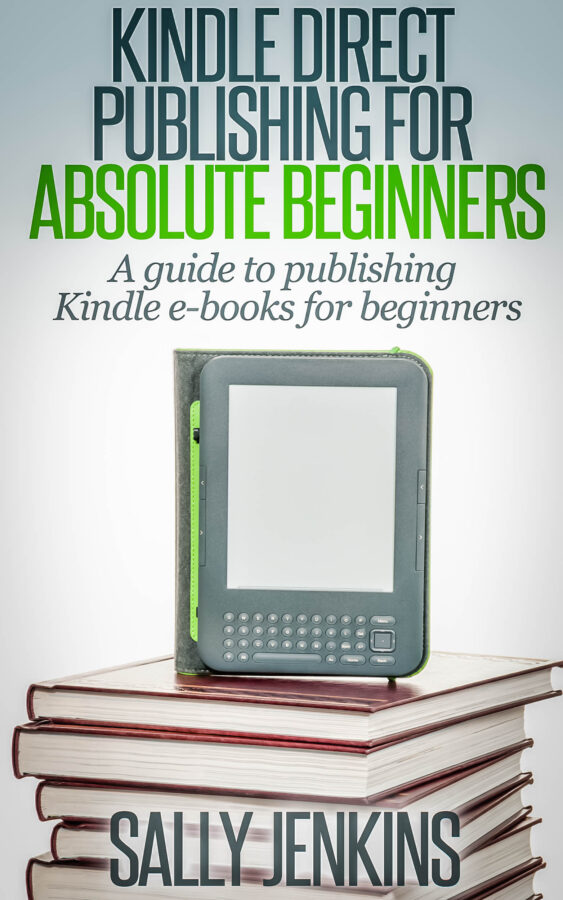
KIndle Direct Publishing for Absolute Beginners If you would like to know more about low-cost self-publishing via Amazon, the e-book Kindle Direct Publishing for Absolute Beginners (pictured, left) offers a good introduction. If you don’t currently read on Kindle, download the free Kindle app to your laptop, tablet or smartphone.

Whichever publishing route you choose, enjoy the journey and the royalties!

Sally JenkinsBio: Sally Jenkins (pictured, right) currently writes uplifting and hopeful novels for the traditional publisher Choc Lit (part of Joffe Books). She has also had a novel published in partnership with The Book Guild and has self-published several books via Amazon KDP. When not at the keyboard, she feeds her addiction to words by working part-time in her local library and running two reading groups. Sally can also be found walking, church-bell ringing and enjoying shavasana in her yoga class. Follow her writing blog at https://sally-jenkins.com/.


If you enjoyed this post, please link to it on your own blog or social media: