
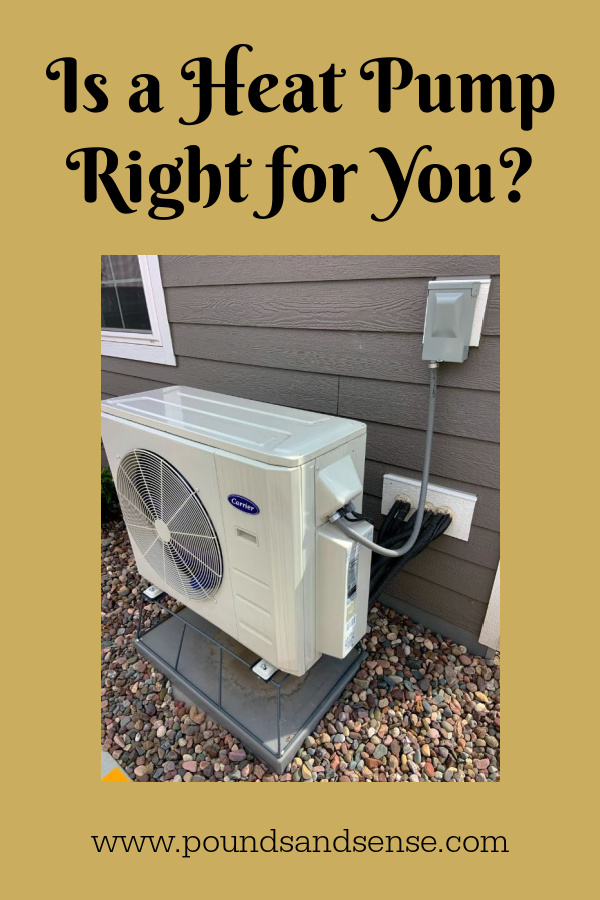
Is a Heat Pump Right for You?
Heat pumps are being promoted as an important part of the UK’s transition to cleaner energy. They can provide an efficient way to heat your home, reduce reliance on fossil fuels and potentially cut your energy bills.
The government is encouraging homeowners to make the switch, too, with grants available to help cover the installation costs.
But does that mean a heat pump is the right choice for everyone?
Not necessarily. Although heat pumps can work well in a range of properties, the suitability of your home, the type of heating system you currently have and the cost of any necessary modifications all need to be considered.
In this article, I’ll look at the main advantages and disadvantages of heat pumps, explain which homes are likely to benefit most, and suggest some questions to ask before deciding whether to make the switch.
Table of Contents
What exactly is a heat pump?
A heat pump works by extracting heat from the surrounding environment and transferring it into your home. Rather than generating heat by burning gas or oil, it uses electricity to move existing heat from one place to another.
There are two main types to consider.
- Air-source heat pumps extract heat from the outside air. The main unit is installed outdoors and transfers heat into your home’s heating system. These are the most common type of domestic heat pump in the UK.
- Ground-source heat pumps extract heat from the ground using buried pipes or boreholes. They can be highly efficient but generally cost more to install and require suitable outdoor space.
Most conventional heat pumps supply hot water to radiators or underfloor heating. They can also heat your domestic hot water, although you’ll normally need a hot-water cylinder.
Air-to-air heat pumps are another option. These transfer heat directly into indoor air, rather than using radiators and a hot-water circuit, and may be particularly suitable for some smaller properties.
The advantages of heat pumps
There are several good reasons why heat pumps are attracting interest.
1. They can be very energy-efficient
A conventional gas boiler burns fuel to generate heat. A heat pump instead uses electricity to move heat from the air or ground into your home.
Under suitable conditions, it can deliver several units of heat for every unit of electricity consumed. This makes it potentially much more energy-efficient than a conventional boiler.
The actual efficiency depends on the system, the weather, the temperature at which it operates and how well the installation has been designed.
2. They can reduce your carbon footprint
Heat pumps don’t burn fossil fuels in your home. Their environmental benefits are particularly attractive as more of the UK’s electricity comes from renewable sources.
For homeowners who want to reduce their household carbon emissions, installing a heat pump can be a worthwhile step.
3. They may reduce your energy bills
Whether a heat pump saves you money depends on several factors, including the efficiency of your existing boiler, your home’s heat requirements and the prices you pay for gas and electricity.
A well-designed heat pump can be economical to run, particularly when replacing an inefficient heating system or an expensive oil-fired system.
However, electricity generally costs more per unit than mains gas in the UK. This means that efficiency alone doesn’t guarantee lower bills. It’s important to compare realistic estimates for your own property rather than relying on general claims about potential savings.
4. Government grants can help with installation costs
The Boiler Upgrade Scheme in England and Wales currently offers grants of £7,500 towards eligible air-source and ground-source heat pump installations.
Eligible homes heated by oil or LPG without a mains gas connection can qualify for an increased grant of £9,000, subject to the scheme’s conditions. This enhanced grant is available until 31 March 2027.
The grant is normally deducted from the installation price by the installer, rather than paid directly to the homeowner.
You can find the latest information on the government’s Boiler Upgrade Scheme website.
Even with a grant, however, you should obtain a full quotation and check what is included. Any additional work needed to your radiators, pipework or insulation could affect the overall cost.
5. They can provide comfortable, consistent heating
Heat pumps generally work best by maintaining a comfortable temperature over longer periods, rather than heating a cold house very quickly.
For people who prefer steady warmth throughout the day, this can be an advantage. Once you become accustomed to the system, you may find it perfectly comfortable.
Some types of heat pump can also provide cooling during warmer weather, although this depends on the equipment and how it has been installed.
The disadvantages of heat pumps
Despite these benefits, there are some important drawbacks to consider.
1. Installation can be expensive
Installing a heat pump is a substantial investment. The total cost depends on the type of system, the size of your home, the existing heating arrangements and any modifications required.
A government grant can make a significant difference, but it probably won’t cover all the costs.
If your home needs new radiators, extensive pipework alterations, a new hot water cylinder or other improvements, the final bill could be considerably higher than you initially expected.
2. Your home may need modifications
This is one of the most important considerations.
Heat pumps generally work most efficiently when supplying water at lower temperatures than a conventional gas boiler. To keep your home warm under these conditions, your radiators or underfloor heating need to be capable of delivering enough heat.
Some properties can use their existing radiators without major changes. Others may need larger radiators, additional radiators or underfloor heating.
The existing pipework also matters. Depending on its dimensions, layout and condition, modifications may be necessary to deliver the water flow required by the new system.
These changes can add to the cost and disruption of installation.
3. Running costs aren’t guaranteed to be lower
It’s tempting to assume that a more efficient heating system must be cheaper to run. Unfortunately, the reality is more complicated.
If you’re replacing an old, inefficient boiler, you may well save money. If you already have a modern, efficient mains-gas boiler, the financial benefits could be much less clear.
The price of electricity relative to gas is an important factor. Your heat pump’s efficiency and your home’s insulation will also affect the result.
Before committing, ask an installer to provide a realistic estimate of annual electricity consumption and running costs, based on your actual property and heating requirements.
4. You’ll need somewhere suitable for the equipment
Air-source heat pumps require an outdoor unit, with enough space and appropriate positioning for airflow, access and noise considerations.
You’ll also normally need room indoors for a hot-water cylinder. This can be a particular problem in smaller homes where space is already limited.
Ground-source systems require suitable ground for buried pipework or boreholes, which can make them impractical or prohibitively expensive for some homeowners.
5. They may require a change in heating habits
A heat pump is not necessarily a like-for-like replacement for a boiler in the way you use your heating.
Because they typically operate at lower flow temperatures, you may need to run them for longer periods and avoid large, sudden changes in room temperature.
This isn’t necessarily a disadvantage, but it may require a different approach if you’re accustomed to switching your boiler on for short bursts when you need heat.
6. Noise may be an issue
Heat pumps produce a certain amount of noise. Air source heat pumps – the most common – typically produce 40-60 dB at a distance of one metre, a bit more than a typical fridge. That’s still not especially loud, but it is continuous while the heat pump is working. If you are sensitive to noise, this is something to bear in mind. You may also need to consider whether the noise would cause any friction with your neighbours.
7. They won’t work in power cuts and blackouts
As discussed in this recent article, the likelihood of power cuts and (potentially) wider blackouts in increasing. As electrical devices, heat pumps clearly won’t work when the power supply is disrupted.
Gas boilers also require electricity to function, but much less than heat pumps. And they can potentially be powered for a few hours at least by a home battery or generator. Most free-standing gas fires can operate without electricity. Wood and other solid fuel fires are another heating option that doesn’t require electricity to work, though not all homes are suitable for them.
Even if you do opt for a heat pump, there is a strong case for still having a backup heating source in the event of outages. In addition, in very cold spells, heat pumps may not be able to provide sufficient heat to keep your home comfortable on their own. Many Scandinavian homes that use heat pumps have a supplementary non-electrical heating source as well.
8. High replacement cost
While grants are currently available to help offset the higher costs of heat pumps, this may not always be the case. There are also rumours that the government is set to reduce the size of grants to free up funds for defence and other public spending commitments.
In addition, grants are only available for first-time heat pump installations. Just like gas boilers, heat pumps have finite lifespans (estimates vary but around 15 years is typical). Once your heat pump reaches the end of its life and needs replacing, you will have to pay the full cost of a new one, which even now is likely to run well into five figures.
Which homes are best suited to heat pumps?
Heat pumps can work in many different types of property, including older houses. It’s too simplistic to say that they are only suitable for new-build homes.
Nevertheless, some properties are easier and cheaper to adapt than others.
Homes that may be particularly suitable include:
- Well-insulated properties that lose relatively little heat.
- Newer homes designed with low-temperature heating systems in mind.
- Homes with underfloor heating or appropriately sized radiators.
- Properties with sufficient space for the equipment and a hot-water cylinder.
- Homes currently heated by oil or LPG, where the potential savings and available grant may make switching attractive.
Homes that may require more careful assessment include:
- Older, poorly insulated properties with substantial heat loss.
- Homes with small radiators that were designed to operate at high water temperatures.
- Properties with narrow or restrictive pipework that may need modification.
- Small homes with little space for a hot-water cylinder or outdoor equipment.
- Large or unusually laid-out properties with high heating demands.
None of these factors automatically rules out a heat pump. Insulation improvements, larger radiators and other design changes can sometimes make an installation practical.
The important point is to establish what your particular home needs before committing to the expense.
My own experience: why I’m not rushing to install a heat pump
I’ve looked at the possibility of installing a heat pump in my own detached house in Staffordshire.
My property is around 40 years old, and one of the potential complications is the relatively narrow heating pipework. Replacing or modifying this could add significantly to the cost and disruption of the project.
That doesn’t mean a heat pump couldn’t be installed successfully. It means I would need to weigh up the benefits carefully against the cost of the work required.
For me, this illustrates why homeowners shouldn’t feel obliged to install a heat pump simply because it is being promoted as the future of domestic heating.
The right decision depends on the individual property, the existing heating system and the likely financial benefits.
Questions to ask before installing a heat pump
If you’re considering making the switch, I’d suggest asking an experienced, suitably certified installer the following questions:
- Is my home suitable? Ask for a proper assessment of its heat requirements, rather than a recommendation based solely on its age or size.
- Will my existing radiators and pipework work? Find out whether replacements or alterations are needed and how much they will cost.
- How much will the installation cost? Obtain a detailed quotation, including any associated building work and modifications.
- What are the likely running costs? Ask for an estimate based on your current heating system, electricity tariff and property.
- What grant can I receive? Confirm your eligibility and ensure the grant is reflected in the quotation.
- What disruption should I expect? Establish how long the work will take and whether you will need to make temporary arrangements for heating or hot water.
It is worth obtaining more than one quotation, particularly if substantial modifications are proposed.
The bottom line: is a heat pump right for you?
For the right home a heat pump can be a good heating solution. They offer high energy efficiency, can reduce household carbon emissions, and may lower heating bills in the right circumstances. But they aren’t automatically the best financial choice for every homeowner.
If your home is well insulated, your heating system is suitable and the installation can be completed at a reasonable cost, a heat pump could be worth considering.
If your property needs extensive modifications, however, the economics may be less attractive. A grant can help, but it doesn’t remove the need to consider the total cost and potential savings.
My advice is to approach the decision with an open mind. Don’t dismiss heat pumps because you live in an older house, but don’t assume either that installing one is automatically the right move.
Get a proper assessment, compare the figures and make the decision that best suits your home and your finances.
After all, the aim should be to have a warm, comfortable home at a cost you can afford – not simply to install the latest technology, however heavily it is being promoted by the industry and government.
As always, if you have any comments about this article, please do post them below.
